本期目录

2024年, 第35卷, 第08期 刊出日期:2024-08-22
  

  • 全选
    |
    Editorial
  • Mei Peng, Wei-Min He
    中国化学快报. 2024, 35(08): 109899. https://doi.org/10.1016/j.cclet.2024.109899
    摘要 ( ) PDF全文 ( ) HTML 可视化 收藏
  • Yingxiao Zong, Yangfei Wei, Xiaoqing Liu, Junke Wang, Huanfang Guo, Junli Wang, Zhuangzhi Shi, Tao Tu, Cheng Yang, Chongyang Wang, Leyong Wang
    中国化学快报. 2024, 35(08): 109743. https://doi.org/10.1016/j.cclet.2024.109743
    摘要 ( ) PDF全文 ( ) HTML 可视化 收藏
  • 评论
  • Shengkai Li, Yuqin Zou, Chen Chen, Shuangyin Wang, Zhao-Qing Liu
    中国化学快报. 2024, 35(08): 109147. https://doi.org/10.1016/j.cclet.2023.109147
    摘要 ( ) PDF全文 ( ) HTML 可视化 收藏
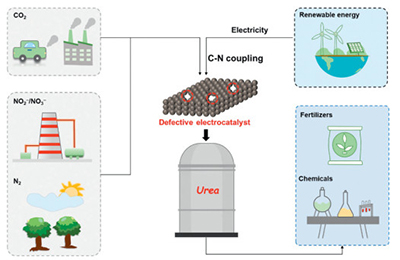
    Urea is extensively used in agriculture and chemical industry, and it is produced on an industrial scale from CO2 and Haber-Bosch NH3 under relatively high temperature and high pressure conditions, which demands high energy input and generates masses of carbon footprint. The conversion of CO2 and N sources (such as NO2-, NO3-, and N2) through electrocatalytic reactions under ambient conditions is a promising alternative to realize efficient urea synthesis. Of note, the design of electrocatalyst is one of the key factors that can improve the efficiency and selectivity of C-N coupling reactions. Defect engineering is an intriguing strategy for regulating the electronic structure and charge density of electrocatalysts, which endows electrocatalysts with excellent physicochemical properties and optimized adsorption energy of the reaction intermediates to reduce the kinetic barriers. In this minireview, recent advances of defect engineered electrocatalysts in urea electrosynthesis from CO2 and various N reactants are firstly introduced. Mechanistic discussions of C-N coupling in these advances are presented, with the aim of directing future investigations on improving the urea yield. Finally, the prospects and challenges of defect engineered electrocatalysts for urea synthesis are discussed. This overview is expected to provide in-depth understanding of structure-reactivity relationship and shed light on future electrocatalytic C-N coupling reactions.
  • Xianxu Chu, Lu Wang, Junru Li, Hui Xu
    中国化学快报. 2024, 35(08): 109105. https://doi.org/10.1016/j.cclet.2023.109105
    摘要 ( ) PDF全文 ( ) HTML 可视化 收藏
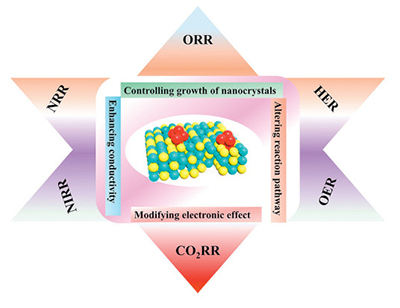
    Electrocatalysis is a surface-sensitive process, in which the catalytic activity of electrocatalyst highly relates to the surface adsorption/desorption behaviors of the reactants/intermediates/products on the catalytically active sites. Surface chemical microenvironment engineering via organic molecules functionalization is a promising strategy to tune the electrocatalytic activity since it can well modify the electrode/electrolyte interface and alter the reaction pathways. In this review, we summarize the recent progress of surface microenvironment engineering of electrocatalysts induced by organic molecules functionalization, with the special focus on the organic molecule-assisted growth mechanism and unique electronic effect. More importantly, the applications of organic molecule functionalized catalysts in various electrocatalytic reactions are also systematically summarized, along with a deep discussion on the conclusion and perspective. This work will open a new avenue for the construction and modification of advanced electrocatalysts based on organic molecule-mediated interface engineering.
  • Yatian Deng, Dao Wang, Jinglan Cheng, Yunkun Zhao, Zongbao Li, Chunyan Zang, Jian Li, Lichao Jia
    中国化学快报. 2024, 35(08): 109141. https://doi.org/10.1016/j.cclet.2023.109141
    摘要 ( ) PDF全文 ( ) HTML 可视化 收藏
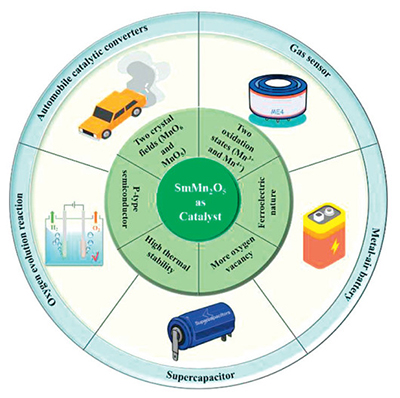
    Catalyst with high performance has drawn increasing attention recently due to its significant advantages in chemical reactions such as speeding up the reaction, lowering the reaction temperature or pressure, and proceeding without itself being consumed. Despite the superior catalytic performance of precious metal catalysts, transition metal oxides offer a promising route for substitution of precious metals in catalysis arising from their low cost, intrinsic activity and sufficient stability. Mullite-type oxide SmMn2O5 exhibits a unique crystal structure containing double crystalline fields, and nowadays is used widely as the catalyst in different chemical reactions, including the reactions of vehicle emissions reduction and oxygen evolution reaction, gas sensors, and metal-air batteries, promoting attention in catalytic performance enhancement. To our knowledge, there is no review article covering the comprehensive information of SmMn2O5 and its applications. Here we review the recent progress in understanding of the crystal structure of SmMn2O5 and its basic physical properties. We then summarize the catalytic sources of SmMn2O5 and reaction mechanisms, while the strategies to improve catalytic performance of SmMn2O5 are further presented. Finally, we provide a perspective on how to make further progress in catalytic applications.
  • Shengfei Dong, Ziyu Liu, Xiaoyi Yang
    中国化学快报. 2024, 35(08): 109142. https://doi.org/10.1016/j.cclet.2023.109142
    摘要 ( ) PDF全文 ( ) HTML 可视化 收藏
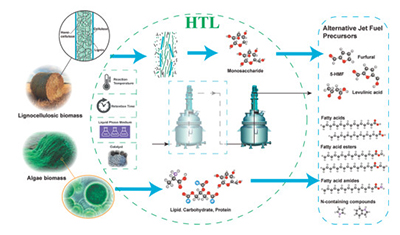
    Climate change is an important issue facing the world today and carbon reduction has become the focus of attention for all countries. Alternative bio-fuels are an important means to achieve carbon emission reduction. The production of jet fuel precursors from biomass by hydrothermal liquefaction (HTL) has received a lot of attention due to its mild conditions and environmental friendliness. Lignocellulosic biomass and algal biomass are considered as the second and the third generation biomasses as promising raw materials for alternative fuel preparation. Among them, lignocellulosic biomass has been extensively studied due to its wide range of sources and can be divided into one-step HTL and stepwise HTL according to the process method. Algal biomass has been extensively studied experimentally due to its short growth cycle and the fact that it can sequester large amounts of carbon without taking up arable land. In this paper, the feedstock composition of different biomasses is reviewed for the HTL of biomass. A detailed review of the process characteristics, reaction pathways and influencing factors for the HTL production of jet fuel precursors from lignocellulosic biomass and algal biomass is also presented. Theoretical references are provided for further process optimization and bio-crude quality upgrading.
  • Jie Zhou, Quanyu Li, Xiaomeng Hu, Weifeng Wei, Xiaobo Ji, Guichao Kuang, Liangjun Zhou, Libao Chen, Yuejiao Chen
    中国化学快报. 2024, 35(08): 109143. https://doi.org/10.1016/j.cclet.2023.109143
    摘要 ( ) PDF全文 ( ) HTML 可视化 收藏
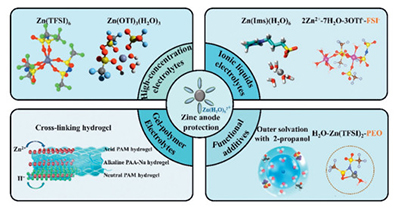
    With the low cost, excellent safety and high theoretical specific capacity, aqueous zinc-ion batteries (AZIBs) are considered as a potential rival for lithium-ion batteries to promote the sustainable development of large-scale energy storage technologies. However, the notorious Zn dendrites and low Coulombic efficiency (CE) limit further development of AZIBs, due to the unstable electrochemical deposition/stripping behavior of Zn anode in aqueous zinc ion electrolytes. In this review, critical issues and advances are summarized in electrolyte engineering strategies. These strategies are focused on active water molecules during electrochemical process, including high-concentration electrolytes, ionic liquids, gel-polymer electrolytes and functional additives. With suppressed active water molecules, the solvation and de-solvation behavior of Zn2+ can be regulated, thereby modulating the electrochemical performance of Zn anode. Finally, the inherent problems of these strategies are discussed, and some promising directions are provided on electrolytes engineering for high performance Zn anode in AZIBs.
  • Yi Herng Chan, Zhe Phak Chan, Serene Sow Mun Lock, Chung Loong Yiin, Shin Ying Foong, Mee Kee Wong, Muhammad Anwar Ishak, Ven Chian Quek, Shengbo Ge, Su Shiung Lam
    中国化学快报. 2024, 35(08): 109329. https://doi.org/10.1016/j.cclet.2023.109329
    摘要 ( ) PDF全文 ( ) HTML 可视化 收藏
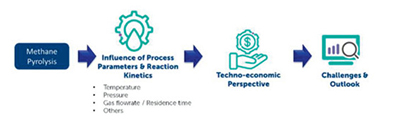
    Hydrogen (H2) is a promising renewable energy which finds wide applications as the world gears toward low-carbon economy. However, current H2 production via steam methane reforming of natural gas or gasification of coal are laden with high CO2 footprints. Recently, methane (CH4) pyrolysis has emerged as a potential technology to generate low-carbon H2 and solid carbon. In this review, the current state-of-art and recent progress of H2 production from CH4 pyrolysis are reviewed in detail. Aspects such as fundamental mechanism and chemistry involved, effect of process parameters on the conversion efficiency and reaction kinetics for various reaction media and catalysts are elucidated and critically discussed. Temperature, among other factors, plays the most critical influence on the methane pyrolysis reaction. Molten metal/salt could lower the operating temperature of methane pyrolysis to < 1000°C, whereas plasma technology usually operates in the regime of > 1000 °C. Based on the reaction kinetics, metal-based catalysts were more efficient in lowering the activation energy of the reaction to 29.5-88kJ/mol from that of uncatalyzed reaction (147-420.7kJ/mol). Besides, the current techno-economic performance of the process reveals that the levelized cost of H2 is directly influenced by the sales price of carbon (by-product) generated, which could offset the overall cost. Lastly, the main challenges of reactor design for efficient product separation and retrieval, as well as catalyst deactivation/poisoning need to be debottlenecked.
  • Deshuai Zhen, Chunlin Liu, Qiuhui Deng, Shaoqi Zhang, Ningman Yuan, Le Li, Yu Liu
    中国化学快报. 2024, 35(08): 109249. https://doi.org/10.1016/j.cclet.2023.109249
    摘要 ( ) PDF全文 ( ) HTML 可视化 收藏
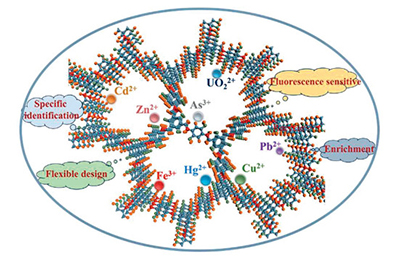
    The concentration of metallic elements is closely associated with overall health. However, the discharge of untreated industrial wastewater can lead to metal-containing pollutants entering the human body through the food chain, disrupting the organism's homeostasis and posing a risk to human health. Covalent organic framework materials (COFs) have emerged as a novel porous material for detecting or adsorbing metal ions due to their unique pore structure, topological structure and flexible design. This paper summarizes the role, toxicity, and sources of metal ions related to human health, as well as the design, synthesis and performance of COFs fluorescent materials for detecting these elements. The interaction mechanism of different fluorescent COFs and metal ions are discussed. Additionally, the remaining challenges and prospects of COFs fluorescence sensors are provided. We believe this review will be useful in directing the development of fluorescent COFs towards metal ions.
  • Jiqing Liu, Qi Dang, Liting Wang, Dejin Wang, Liang Tang
    中国化学快报. 2024, 35(08): 109277. https://doi.org/10.1016/j.cclet.2023.109277
    摘要 ( ) PDF全文 ( ) HTML 可视化 收藏
    The advancement of energy storage technology has paved the way for the application of electrochemical processes in achieving low-carbon and precise environmental pollution reduction. Electrodes play a crucial role in efficiently removing organic pollutants and heavy metals. To implement electrochemical pollution control technology in practical engineering, flexible electrode preparation is vital. This review highlights recent progress in flexible electrode research, focusing on the selection and structural design of flexible electrode materials. It summarizes the latest advancements in current collectors, active materials, and preparation methods to enhance conductivity, flexibility, and cycle stability. The application of flexible electrodes in water pollution control is categorized into three aspects: Organic pollutants, inorganic pollutants, and composite pollutants. Finally, the challenges and research requirements for enhancing electrode flexibility in environmental governance are discussed, along with prospects for their future applications.
  • Aolei Tan, Xiaoxiao Ma
    中国化学快报. 2024, 35(08): 109276. https://doi.org/10.1016/j.cclet.2023.109276
    摘要 ( ) PDF全文 ( ) HTML 可视化 收藏
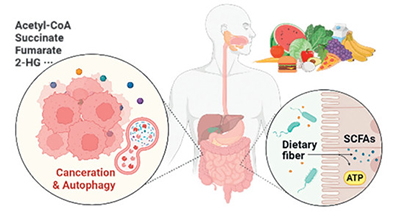
    Metabolism encompasses a series of intricate biochemical processes that are vital for the sustenance of life in organisms. Metabolomics, an essential scientific discipline, is a field of study within the broader domain of systems biology that focuses on the comprehensive analysis of small molecules, known as metabolites including lipids, coenzymes, etc., which are synthesized during metabolism. With the continuous development of metabolomics, the multiple biological functions of metabolites are constantly being discovered, encompassing signal transduction and enzyme stimulation, while concurrently exhibiting associations with afflictions like cancer and diabetes. The comprehension of metabolite functionalities and their intricate interplay with disease conditions assumes paramount importance in both disease-focused research endeavors and the development of diagnostic tools. This scholarly exposition undertakes an extensive review of recent advancements in the investigation of functional roles assumed by metabolites, with specific emphasis on metabolites in lipid synthesis, glucose metabolism and exogenous metabolites.
  • Feng Wu, Xuemin Kong, Yixuan Liu, Shuli Wang, Zhong Chen, Xu Hou
    中国化学快报. 2024, 35(08): 109754. https://doi.org/10.1016/j.cclet.2024.109754
    摘要 ( ) PDF全文 ( ) HTML 可视化 收藏
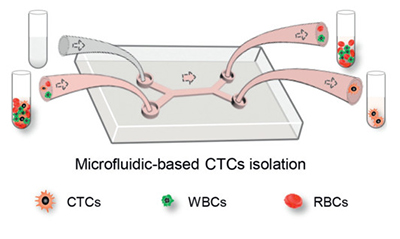
    The isolation of circulating tumor cells (CTCs) from complex biological samples is of paramount significance for advancing cancer diagnosis, prognosis, and treatment. However, the low concentration of CTCs and nonspecific adhesion of white blood cells (WBCs) present challenges that hinder the efficiency and purity of captured CTCs. Microfluidic-based strategies utilize precise fluid control at the micron level to incorporate specific micro/nanostructures or recognition molecules, enabling effective CTCs separation. Moreover, by employing surface modification designs that exhibit exceptional anti-adhesion properties against WBCs, the purity of isolated CTCs can be further enhanced. This review offers an in-depth exploration of recent advancements, challenges, and opportunities associated with microfluidic-based CTCs isolation from biological samples. Firstly, we will comprehensively introduce the microfluidic-based strategies for achieving high-efficiency CTCs isolation, which includes the morphological design of microchannels for physical force-based CTCs isolation and the specific modification of microchannel surfaces for affinity-based CTCs isolation. Subsequently, a review of recent research advances in microfluidic-based high-purity CTCs isolation is presented, focusing on strategies that decrease the nonspecific adhesion of WBCs through surface micro-/nanostructure construction or chemical and biological modification. Finally, we will summarize the article by providing the prospective opportunities and challenges for the future development of microfluidic-based CTCs isolation.
  • Shaohua Zhang, Liyao Liu, Yingqiao Ma, Chong-an Di
    中国化学快报. 2024, 35(08): 109749. https://doi.org/10.1016/j.cclet.2024.109749
    摘要 ( ) PDF全文 ( ) HTML 可视化 收藏
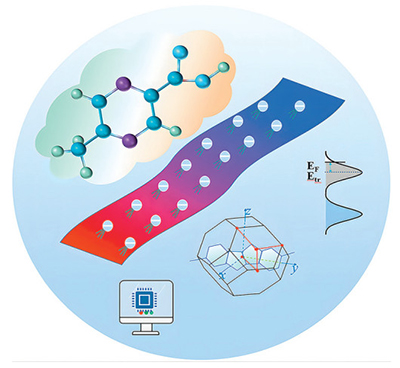
    Organic thermoelectric (OTE) materials and devices have garnered significant attention in the past decade for flexible and wearable electronics. Due to the numerous combinations of different backbones, side chains, and functional groups for polymer molecules, further efficient developments of high performance OTEs rely on reverse and rational molecular design as well as fundamental understanding to the structure-property relationship, which both require precise theoretical input. Recently, many theoretical efforts and progresses have been made to predict TE properties and develop high performance OTE materials. Here, we present first the general methods and principles for OTE theoretical calculations. Subsequently, the latest theoretical advances regarding the effects of molecular design, chemical doping, ambipolar charge transport etc., to TE conversion are carefully reviewed. These theoretical advances not only significantly deepen the fundamental understanding of OTEs, but also provide precise guidance to the molecular design of OTE materials. Finally, we propose several perspectives for future theoretical investigations of OTEs.
  • Ningyue Xu, Jun Wang, Lei Liu, Changyang Gong
    中国化学快报. 2024, 35(08): 109225. https://doi.org/10.1016/j.cclet.2023.109225
    摘要 ( ) PDF全文 ( ) HTML 可视化 收藏
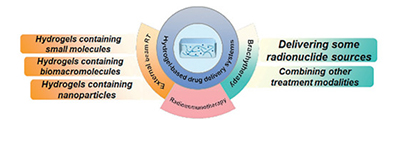
    Radiotherapy (RT) is a crucial treatment for cancer; however, its effectiveness is limited by adverse effects on normal tissues, radioresistance, and tumor recurrence. To overcome these challenges, hydrogels have been employed for delivery of radiosensitizers and other therapeutic agents. This review summarizes recent advancements in the application of hydrogel-based local drug delivery systems for improving the therapeutic efficacy of RT in cancer treatment. Firstly, we introduce the classification and properties of hydrogels. Next, we detail hydrogel-based platforms designed to enhance both external beam radiation therapy and brachytherapy. We also discuss hydrogels used in combination therapy involving RT and immunotherapy. Lastly, we highlight the challenges that hydrogels face in RT. By surveying the latest developments in hydrogel applications for RT, this review aims to provide insights into the development of more effective and targeted cancer therapies.
  • Lijun Mao, Shuo Li, Xin Zhang, Zhan-Ting Li, Da Ma
    中国化学快报. 2024, 35(08): 109363. https://doi.org/10.1016/j.cclet.2023.109363
    摘要 ( ) PDF全文 ( ) HTML 可视化 收藏
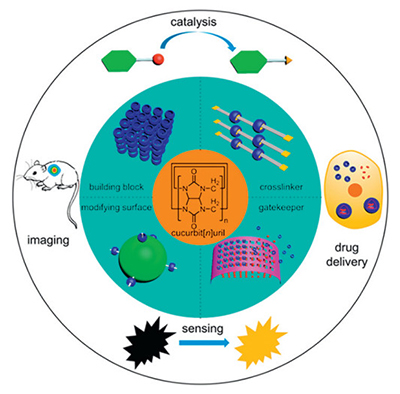
    New fabrication method of nanostructures is of great importance for the applications of nanoscience and nanotechnology. This review summarizes cucurbit[n]uril (CB[n])-based nanostructure fabrication and modification approaches. These strategies include the use of CB[n]s as building blocks and supramolecular crosslinkers to fabricate nanostructures, to surface modify nanostructures, and as gatekeepers to control the release of encapsulated cargo. These nanostructures are used for drug delivery, bioimaging, chemical sensing, catalysis and other applications. CB[n]s often play a vital role in the fabrication of these nanostructures, and the realization of the applications.
  • Jing-Jing Zhang, Lujun Lou, Rui Lv, Jiahui Chen, Yinlong Li, Guangwei Wu, Lingchao Cai, Steven H. Liang, Zhen Chen
    中国化学快报. 2024, 35(08): 109342. https://doi.org/10.1016/j.cclet.2023.109342
    摘要 ( ) PDF全文 ( ) HTML 可视化 收藏
    As a powerful noninvasive imaging technology, positron emission tomography (PET) has been playing an important role in disease theranostics and drug discovery. The successful application of PET relies on not only the biological properties of PET tracers but also the availability of facile and efficient radiochemical reactions to enable practical production and widespread use of PET tracers. Most recently, photochemistry is emerging as a novel, mild and efficient approach to generating PET agents. In this review, we focus on the recent advances in newly developed photocatalytic radiochemical reactions, innovation on automated photochemical radiosynthesis modules, as well as implementation in late-stage radiolabeling and radiopharmaceutical synthesis for PET imaging. We believe that this review will inspire the development of more promising radiolabeling protocols for the preparation of clinically useful PET agents.
  • Dong-Sheng Deng, Su-Qin Tang, Yong-Tu Yuan, Ding-Xiong Xie, Zhi-Yuan Zhu, Yue-Mei Huang, Yun-Lin Liu
    中国化学快报. 2024, 35(08): 109417. https://doi.org/10.1016/j.cclet.2023.109417
    摘要 ( ) PDF全文 ( ) HTML 可视化 收藏
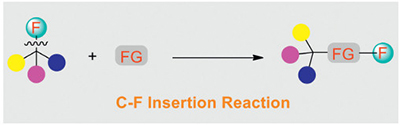
    The atom-economical C-F insertion chemistry is emerged as a promising technology for the synthesis of various fluorinated scaffolds, which have wide applications both in the academic and the industrial communities. The past three years have witnessed rapid developments in this field. This highlight provides an overview on the evolution according to the fluorinating agents used.
  • Uttam Pandurang Patil
    中国化学快报. 2024, 35(08): 109472. https://doi.org/10.1016/j.cclet.2023.109472
    摘要 ( ) PDF全文 ( ) HTML 可视化 收藏
    Heterogeneous porous carbon (PC) materials have gained unique importance in the catalysis community due to their captivating properties, including high specific surface area, tunable porosity, and functionality. PC can play a prominent role in the sustainable synthesis of functional heterocycles, as they are a low-cost alternative while being an efficient and user-friendly material. This review examines the preparation and applicability of these carbonaceous materials used as catalysts or support for biologically active heterocycles synthesis, including hydrogenation, oxidation, oxidative dehydrogenation, cross-coupling, and other organic reactions. Moreover, the challenges, potential future development directions, and opportunities in the synthesis of potent bioactive heterocycles over PC materials have been addressed. This review will inspire further research to explore novel PC materials and their implications in heterocyclization.
  • Si Ha, Jiacheng Zhu, Hua Xiang, Guoshun Luo
    中国化学快报. 2024, 35(08): 109192. https://doi.org/10.1016/j.cclet.2023.109192
    摘要 ( ) PDF全文 ( ) HTML 可视化 收藏
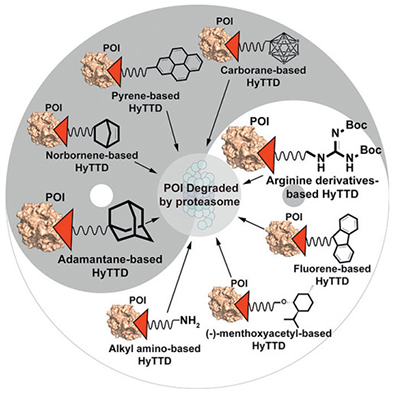
    Small molecule inhibitors have dominated the pharmaceutical landscape for a long time as the primary therapeutic paradigm targeting pathogenic proteins. However, their efficacy heavily relies on the amino acid composition and spatial constitution of proteins, rendering them susceptible to drug resistance and failing to target undruggable proteins. In recent years, the advent of targeted protein degradation (TPD) technology has captured substantial attention from both industry and academia. Employing an event-driven mode, TPD offers a novel approach to eliminate pathogenic proteins by promoting their degradation, thus circumventing the limitations associated with traditional small molecule inhibitors. Hydrophobic tag tethering degrader (HyTTD) technology represents one such TPD approach that is currently in the burgeoning stage. HyTTDs employ endogenous protein degradation systems to induce the degradation of target proteins through the proteasome pathway, which displays significant potential for medical value. In this review, we provide a comprehensive overview of the development history and the reported mechanism of action of HyTTDs. Additionally, we delve into the physiological roles, structure-activity relationships, and medical implications of HyTTDs targeting various disease-associated proteins. Moreover, we propose insights into the challenges that necessitate resolution for the successful development of HyTTDs, with the ultimate goal of initiating a new age of clinical treatment leveraging the immense potential of HyTTDs.
  • 通信
  • Yang Liu, Yan Liu, Kaiyin Yang, Zhiruo Zhang, Wenbo Zhang, Bingyou Yang, Hua Li, Lixia Chen
    中国化学快报. 2024, 35(08): 109264. https://doi.org/10.1016/j.cclet.2023.109264
    摘要 ( ) PDF全文 ( ) HTML 可视化 收藏
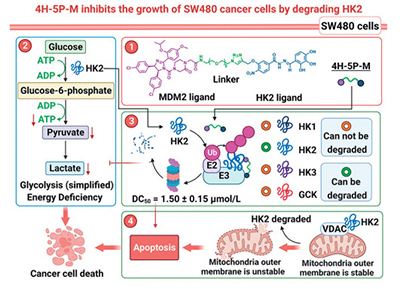
    Hexokinase 2 (HK2) is the rate-limiting enzyme in the first step of glycolysis, catalyzing glucose to glucose-6-phosphate, and overexpressed in most cancer cells. HK2 also binds to voltage-dependent anion channel (VDAC) to stabilize the mitochondrial outer membrane, which inhibits cancer cell apoptosis. Therefore, HK2 has become a potential target for cancer treatment. Proteolysis targeting chimeras (PROTACs) are hetero-bifunctional molecules that recruit an E3 ubiquitin ligase to a given substrate protein resulting in its targeted degradation. Many potent and specific PROTACs targeting dissimilar targets have been developed. In this study, an HK2 PROTAC, 4H-5P-M, was developed and induced the degradation of HK2 relying on the ubiquitin-proteasome system. It was found that 4H-5P-M as an effective HK2 degrader induced HK2 degradation in a dose- and time-dependent manner and suppressed the growth of SW480 cells. 4H-5P-M selectively induced HK2 degradation at a lower concentration than other hexokinase isozymes. Moreover, it could suppress glycolysis and accelerate the apoptosis of cancer cells. Therefore, it provided a new insight into the development of anti-tumor drugs.
  • Zhe Li, Ping-Zhao Liang, Li Xu, Fei-Yu Yang, Tian-Bing Ren, Lin Yuan, Xia Yin, Xiao-Bing Zhang
    中国化学快报. 2024, 35(08): 109190. https://doi.org/10.1016/j.cclet.2023.109190
    摘要 ( ) PDF全文 ( ) HTML 可视化 收藏
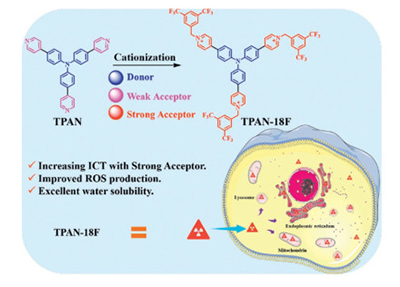
    Photodynamic therapy (PDT) has emerged as a significant cancer therapy option. Currently, cation-based organic small molecule aggregation-induced emission (AIE) photosensitizers (PSs) attract the wide attention of many scientists, due to improved reactive oxygen species (ROS) production after cationization. However, such PSs tend to localize only the mitochondria, limiting the death way of tumor cells (usually apoptosis) during PDT process, which may affect the therapeutic effect under some circumstances. Herein, we designed a novel water-soluble three positive charge PS, TPAN-18F, which could be distributed uniformly in cell cytoplasm and had distribution in different sub-organelles (mitochondria, endoplasmic reticulum, lysosome). The experimental results showed that TPAN-18F-based PDT process can not only disrupt mitochondrial functions (reducing ATP production and destroying mitochondrial membrane potential), but also elevate the intracellular lipid peroxides (LPOs) level, which evoke the non-apoptotic death manner of tumor cells. Further, in vivo studies showed that TPAN-18F-based PDT could effectively inhibit tumor growth. Accordingly, we believe that the construction of TPAN-18F is suggestive for tumor non-apoptotic therapy.
  • Yongkang Yue, Zhou Xu, Kaiqing Ma, Fangjun Huo, Xuemei Qin, Kuanshou Zhang, Caixia Yin
    中国化学快报. 2024, 35(08): 109223. https://doi.org/10.1016/j.cclet.2023.109223
    摘要 ( ) PDF全文 ( ) HTML 可视化 收藏
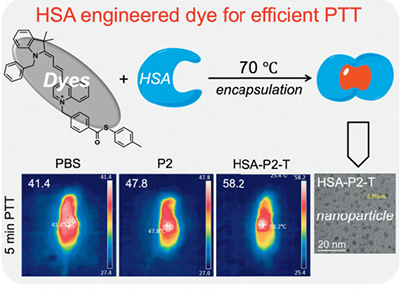
    Focused on the performance promotion of organic small molecular dyes based photothermal agents via non-chemical modification, we found that heat-assisted binding of human serum albumin (HSA) to the dye causes shrinkage of the protein and encapsulate the dye to form nanoparticles. This revolutionizes the photostability of small molecule dyes which further improves their photothermal conversion efficiency and tumor ablation performance as photothermal agents significantly. In this work, the obtained photothermal agent named HSA-P2-T could accumulate in tumor and induce 22 °C enhancement of the tumor in xenograft models upon ultra-low dose (0.1W/cm2) laser irradiation, which, as far as we know, is the lowest laser dose used in vivo photothermal therapy. Utilizing HSA-P2-T, we realized tumor ablation upon twice intravenous injections of the nanoparticles and four photothermal treatments.
  • Yayue Wang, Haojie Yang, Jie Li, Qiao Kong, Siming Zhou, Hongbao Sun, Lili Pan, Qiyong Gong, Ping Feng, Haoxing Wu
    中国化学快报. 2024, 35(08): 109226. https://doi.org/10.1016/j.cclet.2023.109226
    摘要 ( ) PDF全文 ( ) HTML 可视化 收藏
    Here, we present a novel bioorthogonal platform that enables precise positioning of attached moieties in close proximity, thereby facilitating the discovery and optimization of biocompatible reactions. Using this platform, we achieve a Horner-Wadsworth-Emmons (HWE) reaction under physiological conditions, generating a fluorophore in situ with a yield of up to 93%. This proximity platform should facilitate the discovery of various types of biocompatible reactions, making it a versatile tool for biomedical applications.
  • Xiaohong Wen, Mei Yang, Lie Li, Mingmin Huang, Wei Cui, Suping Li, Haiyan Chen, Chen Li, Qiuping Guo
    中国化学快报. 2024, 35(08): 109291. https://doi.org/10.1016/j.cclet.2023.109291
    摘要 ( ) PDF全文 ( ) HTML 可视化 收藏
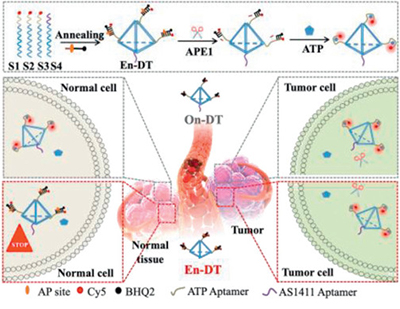
    Intracellular ATP is an emerging biomarker for cancer early diagnosis because it is a key messenger for regulating the proliferation and migration of cancer cells. However, the conventional ATP biosensing strategy is often limited by the undesired on-target off-tumor interference. Here, we reported a novel strategy to design enzymatically controlled DNA tetrahedron nanoprobes (En-DT) for biosensing and imaging ATP in tumor cells. The En-DT was designed via rational engineering of structure-switching aptamers with the incorporation of an enzyme-activatable site and further conjugation on the DNA tetrahedron. The En-DT could be catalytically activated by apurinic/apyrimidinic endonuclease 1 (APE1) in cancer cells, but they did not respond to ATP in normal cells, thereby enabling cancer-specific ATP biosensing and imaging in vitro and in vivo with improved tumor specificity. This strategy would facilitate the precise detection of a broad range of biomarker in tumors and may promote the development of smart probes for cancer diagnosis.
  • Supphachok Chanmungkalakul, Syed Ali Abbas Abedi, Federico J. Hernández, Jianwei Xu, Xiaogang Liu
    中国化学快报. 2024, 35(08): 109227. https://doi.org/10.1016/j.cclet.2023.109227
    摘要 ( ) PDF全文 ( ) HTML 可视化 收藏
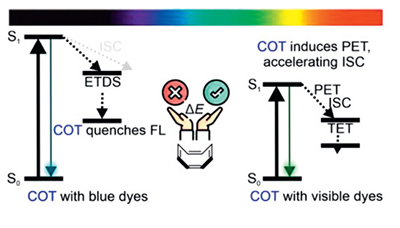
    Cyclooctatetraene (COT) attachment to fluorophores (“self-healing” dyes) is known for quenching reactive triplet states via triplet-state energy transfer (TET), enhancing photostability. However, COT's impact on singlet states remains unclear. Quantum calculations reveal that COT induces energy transfer to dark states in deep blue dyes while promoting photoinduced electron transfer (PET) and intersystem crossing (ISC) in visible dyes, potentially compromising brightness and/or photostability. To address this, we propose the use of ΔE descriptor to optimize COT's effects. Our findings uncover COT's multifaceted impact. These insights will guide the development of superior triplet state quenchers and photostable dyes.
  • Jin Wang, Xiaoyan Pan, Junyu Zhang, Qingqing Zhang, Yanchen Li, Weiwei Guo, Jie Zhang
    中国化学快报. 2024, 35(08): 109187. https://doi.org/10.1016/j.cclet.2023.109187
    摘要 ( ) PDF全文 ( ) HTML 可视化 收藏
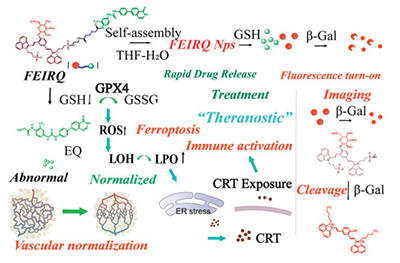
    Tumor vascular normalization has emerged as a promising strategy for synergistic therapy recently. Based on the strategy of “fluorescence turn on-controllable release”, a novel bifunctional candidate was constructed based on previous developed vascular normalization inducer QDAU5, which could self-assemble to form functional enzyme infrared QDAU5 nanoparticles (FEIRQ NPs). Subsequently, biological evaluation demonstrated that the FEIRQ NPs could induce ferroptosis, endoplasmic reticulum stress, and antigen preconditioning and maturation of dendritic cells and CD8+ T cells, leading to excellent antitumor efficacy in the absence of cytotoxic drugs. Additionally, FEIRQ NPs show high fluorescence intensity upon exposure to the β-galactosidase (β-Gal) enzyme expressed in ovarian cancer, enabling real-time monitoring of therapeutic effects. Overall, our findings suggest a prospering strategy to early diagnosis and efficient therapy for ovarian cancer without cytotoxicity.
  • Guoxing Liu, Yixin Li, Changming Tian, Yongmei Xiao, Lijie Liu, Zhanqi Cao, Song Jiang, Xin Zheng, Caoyuan Niu, Yun-Lai Ren, Liangru Yang, Xianfu Zheng, Yong Chen
    中国化学快报. 2024, 35(08): 109403. https://doi.org/10.1016/j.cclet.2023.109403
    摘要 ( ) PDF全文 ( ) HTML 可视化 收藏
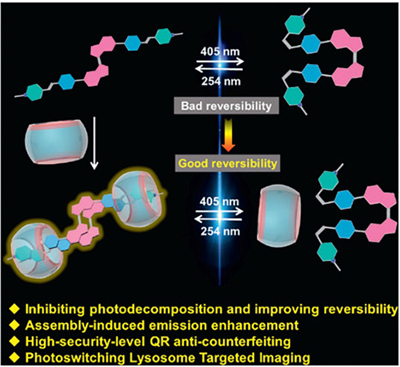
    A photochromic molecular rotor based on stiff-stilbene (SSB-FMR) was handily prepared through coupled reaction, and further self-assembled with cucurbit[8]uril (CB[8]) to form a 2:2 quaternary supramolecular complex (SSB-FMR/CB[8]). Significantly, the intervention of CB[8] on SSB-FMR achieved dual functions that assembly-induced emission enhancement and assembly-induced improvement of photoisomerized performance (especially reversibility) of stiff-stilbene molecular photoswitch. The supramolecular strategy further facilitated the assembly as a photoresponsive fluorescence switch with outstanding fatigue resistance, which was expediently applied in high-security-level QR code anti-counterfeiting and controllable lysosome targeted imaging. The study unprecedentedly provides a supramolecular method for highly efficiently improving photoisomerized performance especially reversibility of molecular photoswitches based on stiff-stilbene, and is of vital significance for the construction of intelligent materials with excellent capability.
  • Caihong Mao, Yanfeng He, Xiaohan Wang, Yan Cai, Xiaobo Hu
    中国化学快报. 2024, 35(08): 109362. https://doi.org/10.1016/j.cclet.2023.109362
    摘要 ( ) PDF全文 ( ) HTML 可视化 收藏
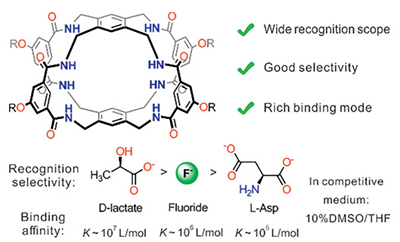
    In this contribution, we describe the preparation and recognition characteristics of a novel tetrapodal benzene cage (1). The cage can express a wide recognition range without losing selectivity for the object of appropriate size and functional groups. The key to obtaining the desired structural isomer of 1 is the synthesis and isolation of the o-bis(bromomethyl)benzene precursor (5). Three distinct guests, F- (extremely small size), D-lactate (appropriate size) and L-Asp (branched shape), were selected as examples to demonstrate the recognition characteristics of 1. By NMR titration studies, they all expressed good binding affinity (K > 105L/mol) in competitive medium (10% DMSO/THF), indicating that 1 has a wide recognition scope. The highest binding constant was observed for D-lactate, revealing that 1 has good selectivity for D-lactate versus F- and L-Asp. Moreover, the NMR titration study of F- in DMSO indicates 1 can achieve different binding modes (1:1 and 2:1 guest-host) for small-sized guests, which allows for the further development of binary binding properties and thereafter applications in the field of catalysis.
  • Yuanjiao Liu, Xiaoyang Zhao, Songyao Zhang, Yi Wang, Yutuo Zheng, Xinrui Miao, Wenli Deng
    中国化学快报. 2024, 35(08): 109404. https://doi.org/10.1016/j.cclet.2023.109404
    摘要 ( ) PDF全文 ( ) HTML 可视化 收藏
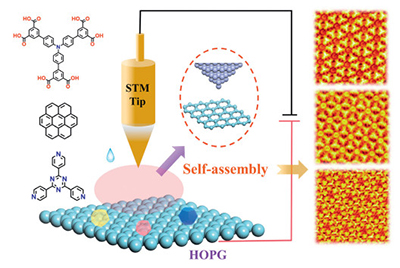
    The self-assembled structures of H3BDA molecule with multiple meta-dicarboxylic groups and their stimulus responses to the guest molecules (COR and T4PT) are thoroughly investigated by scanning tunneling microscopy (STM). STM observations display that two kinds of nanostructures are fabricated by H3BDA molecules through intermolecular hydrogen bonds, in which a linear structure is formed at a higher concentration and a flower-like structure is obtained at a lower concentration. After the addition of COR and T4PT, H3BDA appears different responsiveness resulting in different co-assembled structures, respectively. The linear structure is regulated into a flower-like structure by COR and COR molecules are trapped in the cavities. When the pyridine derivative (T4PT) is introduced, a new bicomponent porous structure emerges via the hydrogen bond formed between the carboxyl group and the pyridine. Furthermore, the deposition of additional COR to the H3BDA/T4PT system results in the breakdown of the porous structure and the generation of H3BDA/COR host-guest system. Combined with density functional theory (DFT) calculations and molecular dynamics (MD) simulations, the transformation phenomenon of bi-component nanostructure induced by guest molecules is formulated. The results are expected to understand the modification effect of guest molecules on the host network, which is of great significance for the design and construction of multi-component nanostructures and crystal engineering.
  • Jia-Cheng Hou, Hong-Tao Ji, Yu-Han Lu, Jia-Sheng Wang, Yao-Dan Xu, Yan-Yan Zeng, Wei-Min He
    中国化学快报. 2024, 35(08): 109514. https://doi.org/10.1016/j.cclet.2024.109514
    摘要 ( ) PDF全文 ( ) HTML 可视化 收藏
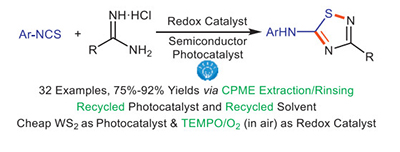
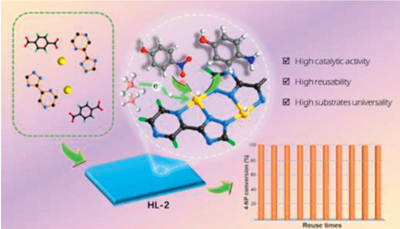
    An eco-friendly and practical method for the clean preparation of 5-amino-1,2,4-thiadiazoles was developed. With WS2 as the semiconductor photocatalyst, both TEMPO and O2 (in air) as the redox catalysts, a variety of thiadiazoles were semi-heterogeneously formed in high to quantitative yields and could be easily collected by CPME extraction and rinsing. Furthermore, the catalytic system can be reusable for at least 5 reaction runs.
  • Pengfei Zhang, Qingxue Ma, Zhiwei Jiang, Xiaohua Xu, Zhong Jin
    中国化学快报. 2024, 35(08): 109361. https://doi.org/10.1016/j.cclet.2023.109361
    摘要 ( ) PDF全文 ( ) HTML 可视化 收藏
    Transition-metal-catalyzed remote sp2C-H functionalization of aryl sulfonic acids was hardly ever realized owing to competitive ortho-C-H functionalization of aryl sulfonates and electron-deficient nature of phenyl ring. Herein, with the assistance of a practical biaryl indolyl directing template, palladium-catalyzed remote sp2C-H alkylation of aryl sulfonic acids have been achieved in moderate to good yields with exclusive meta selectivity. Moreover, remote meta-selective C-H alkynylation of aryl sulfonic acids was also accomplished with a rhodium catalyst. These meta-C-H functionalized products proved to be the superior synthetic precursors, which are difficult to access using the conventional strategy.
  • Yu Mao, Yilin Liu, Xiaochen Wang, Shengyang Ni, Yi Pan, Yi Wang
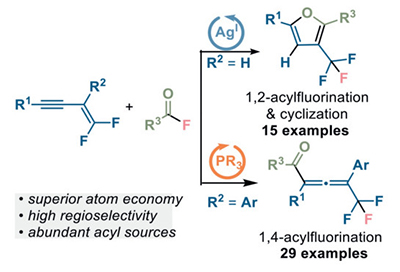
    中国化学快报. 2024, 35(08): 109443. https://doi.org/10.1016/j.cclet.2023.109443
    摘要 ( ) PDF全文 ( ) HTML 可视化 收藏
    This work describes intermolecular acylfluorination of gem-difluoroenynes using acyl fluorides as both acyl source and fluorine source. Trifluoromethyl-substituted allenones or furans could be selectively achieved via phosphine and silver catalysis. These approaches exhibit high regioselectivity, atom economy and broad functionality tolerance.
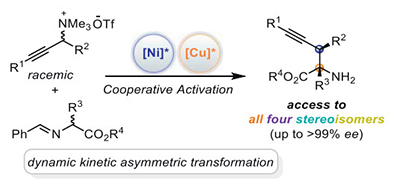
  • Ruilong Geng, Lingzi Peng, Chang Guo
    中国化学快报. 2024, 35(08): 109433. https://doi.org/10.1016/j.cclet.2023.109433
    摘要 ( ) PDF全文 ( ) HTML 可视化 收藏
    The dynamic kinetic asymmetric transformation of racemic propargylic ammonium salts with prochiral aldimine esters through a stereodivergent propargylation is catalyzed by dual nickel and copper catalysis. Thus, a diverse range of optically active α-quaternary amino esters were produced via C-N bond cleavage with high reaction efficiency and stereoselectivity (up to > 99% ee). By selection of the appropriate pairwise combination of catalyst configurational isomers, all four possible stereoisomers of the corresponding propargylation products are obtained in high yields with excellent regio-, diastereo-, and enantioselectivities.
  • Shulei Hu, Yu Zhang, Xiong Xie, Luhan Li, Kaixian Chen, Hong Liu, Jiang Wang
    中国化学快报. 2024, 35(08): 109408. https://doi.org/10.1016/j.cclet.2023.109408
    摘要 ( ) PDF全文 ( ) HTML 可视化 收藏
    Heterocycle-braced cyclic peptides have demonstrated enhanced metabolic stability, increased potency and selectivity. Here, we present a rapid synthesis method for constructing Trp(C7)-alkene(E)-crosslinked cyclic peptides with potent anti-proliferative activities against cancer cells, through C-H alkenylation and macrolactamization. This report addresses critical challenges associated with the installation and removal of the directing group N-Piv, configuration selectivity of the olefin, and intramolecular cyclization. Notably, this method exhibits mild reaction conditions, traceless removal of the directing group, and high configuration selectivity.
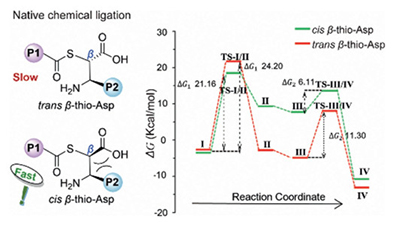
  • Min Fu, Pan He, Sen Zhou, Wenqiang Liu, Bo Ma, Shiying Shang, Yaohao Li, Ruihan Wang, Zhongping Tan
    中国化学快报. 2024, 35(08): 109434. https://doi.org/10.1016/j.cclet.2023.109434
    摘要 ( ) PDF全文 ( ) HTML 可视化 收藏
    This study presents an unexpected finding that the cis isomer of β-thio-Asp exhibits higher ligation activity than the trans isomer. This discovery sheds light on the intricate nature of native chemical ligation and highlights the importance of factors beyond the steric effects of the side chain in modulating ligation activity.
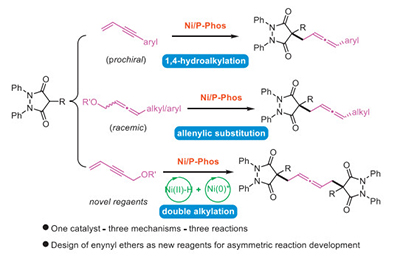
  • Zhirong Yang, Shan Wang, Ming Jiang, Gengchen Li, Long Li, Fangzhi Peng, Zhihui Shao
    中国化学快报. 2024, 35(08): 109518. https://doi.org/10.1016/j.cclet.2024.109518
    摘要 ( ) PDF全文 ( ) HTML 可视化 收藏
    The development of low-cost, earth-abundant and environmentally benign transition metal catalysts, which can catalyze multiple different types of asymmetric reactions, is an important objective in modern asymmetric catalysis. Herein we demonstrate that a chiral Ni/P-Phos catalyst achieves three types of asymmetric reactions: allenylic substitution of racemic allenic ethers, 1,4-hydroalkylation of prochiral 1,3-enynes and double alkylation of newly designed enynyl ether reagents. Three methods complement each other and produce various axially chiral allene derivatives bearing a pyrazolidine-3,5-dione unit, which is widely present in drugs and biologically active molecules with versatile pharmacological activities.
  • Lei Wang, Jun-Jie Wu, Chang-Cun Yan, Wan-Ying Yang, Zong-Lu Che, Xin-Yu Xia, Xue-Dong Wang, Liang-Sheng Liao
    中国化学快报. 2024, 35(08): 109365. https://doi.org/10.1016/j.cclet.2023.109365
    摘要 ( ) PDF全文 ( ) HTML 可视化 收藏
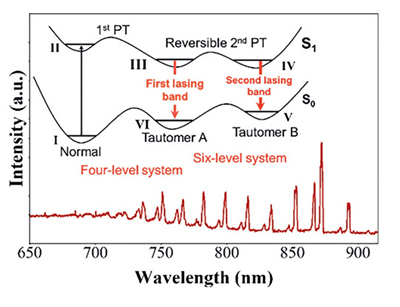
    Organic lasers with broad emission bands in near-infrared (NIR) region are crucial for their applications in laser communication, night-vision as well as bioimaging owing to the abundance of selectable lasing wavelengths. However, for most organic gain materials, gain regions are limited in a small wavelength range because of the fixed energy level systems. Herein, we design a strategy to realize NIR organic lasers with broad emission bands based on tunable energy level systems induced by cascaded excited-state intramolecular proton transfer (ESIPT). A novel gain material named DHNN was developed, which can undergo a cascaded double-ESIPT process supporting four-level and six-level systems simultaneously. By doping DHNN into polystyrene microspheres, NIR lasers with tunable emission bands can be achieved based on the careful modulation of microcavities. Finally, organic lasers with an ultra-broad emission band ranging from 700nm to 900nm was successfully achieved by harnessing four-level and six-level systems simultaneously.
  • Wei-Yu Zhou, Zi-Han Xi, Ning-Ning Du, Li Ye, Ming-Hao Jiang, Jin-Le Hao, Bin Lin, Guo-Dong Yao, Xiao-Xiao Huang, Shao-Jiang Song
    中国化学快报. 2024, 35(08): 109030. https://doi.org/10.1016/j.cclet.2023.109030
    摘要 ( ) PDF全文 ( ) HTML 可视化 收藏
    Under the guidance of the approach which integrates molecular networking, MolNetEnhancer and Network Annotation Propagation (NAP), daphnaltaicanoids A and B (1 and 2) with unprecedented 9-oxa-tetracyclo [6.6.1.02,6.08,13]pentadecane and tetracyclo [5.3.0.12,5.24,11]tridecane central frameworks were isolated from Daphne altaica Pall., representing two types of unparalleled meroterpenoid cores. Their structures were elucidated by extensive spectroscopic analysis, nuclear magnetic resonance (NMR) calculations, DP4+ analysis and electronic circular dichroism (ECD) calculations. The plausible biosynthetic pathways for 1 and 2 were postulated. Biologically, 2 exerted potent neuroprotective activities which were superior to trolox at 12.5 and 25 μmol/L. Moreover, 1 and 2 exhibited more noticeable acetylcholinesterase inhibitory activities than donepezil. Molecular docking simulations were performed to explore the intermolecular interaction of compounds 1 and 2 with acetylcholinesterase. The bioactivity evaluation results highlight the prospects of 1 and 2 as a novel category of neurological agents.
  • Guo-Ping Yin, Ya-Juan Li, Li Zhang, Ling-Gao Zeng, Xue-Mei Liu, Chang-Hua Hu
    中国化学快报. 2024, 35(08): 109035. https://doi.org/10.1016/j.cclet.2023.109035
    摘要 ( ) PDF全文 ( ) HTML 可视化 收藏
    Citrinsorbicillin A (1), a novel homotrimeric sorbicillinoid, along with two new monomers citrinsorbicillins B (2) and C (3), were isolated from the Coptis chinensis endophyte Trichoderma citrinoviride HT-9 by liquid chromatograph mass spectrometer (LC-MS)-guided strategy. 1 was the first trimeric-example from terrestrial fungi, which possessed a unique carbon skeleton with two bicyclo [2.2.2] octanedione ring connected through an enolated carbon forming by [4+2] cycloaddition. Their structures were elucidated by spectroscopic analysis and X-ray diffraction. 1 exhibited moderate cytotoxicity against human colon cancer HT29 cells, and it induced significant cell cycle arrest by reducing the protein expression of cyclin D1.
  • Zhili Li, Qijun Wo, Dongdong Huang, Dezhong Zhou, Lei Guo, Yeqing Mao
    中国化学快报. 2024, 35(08): 109737. https://doi.org/10.1016/j.cclet.2024.109737
    摘要 ( ) PDF全文 ( ) HTML 可视化 收藏
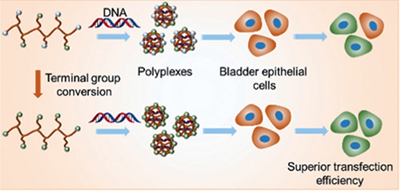
    Highly branched poly(β-amino ester)s (HPAEs) have emerged as a safe and efficient type of non-viral gene delivery vectors. However, the presence of inactive terminal secondary amine groups compromises their gene transfection capability. In this study, HPAEs with similar topological structures and chemical compositions but varying numbers of terminal secondary 4-amino-1-butanol (S4) and secondary/tertiary 3-morpholinopropylamine (MPA) groups were synthesized. The results demonstrate that an increased number of secondary/tertiary MPA groups in-situ significantly enhances the DNA binding capability of HPAEs, leading to the formation of smaller HPAE/DNA polyplexes with higher zeta potential, ultimately resulting in superior gene transfection efficiency in bladder epithelial cells. This study establishes a simple yet effective strategy to maximize the gene transfection potency of HPAEs by converting the inactive terminal groups in-situ without the need for complex modifications to their topological structure and chemical composition.
  • Jingyuan Yang, Xinyu Tian, Liuzhong Yuan, Yu Liu, Yue Wang, Chuandong Dou
    中国化学快报. 2024, 35(08): 109745. https://doi.org/10.1016/j.cclet.2024.109745
    摘要 ( ) PDF全文 ( ) HTML 可视化 收藏
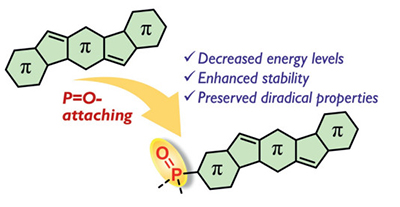
    Diradical polycyclic hydrocarbons (PHs) have unique open-shell structures and interesting physical properties. However, owing to high reactivity of unpaired electrons, such open-shell organic diradicaloids are usually less stable than closed-shell systems, limiting their practical applications. In this study, we report P=O-attaching of diradical PHs as a new strategy to enhance their stability while maintaining diradical properties. Three P=O-attached PHs containing the indeno [1,2-b] fluorene, fluoreno [3,2-b] fluorene and indeno [2,1-b] fluorene π-skeletons, respectively, were designed and synthesized. As theoretically and experimentally proved, two of them have the relatively large diradical characters and open-shell singlet diradical nature. In comparison to their all-carbon analogues, the attached electron-withdrawing P=O groups endow them with much lower LUMO/HOMO energy levels but preserved magnetic activities and physical properties, such as thermally accessible triplet species and multi-redox ability. Moreover, the P=O groups effectively decrease their oxidation activities and thereby lead to their remarkably excellent ambient stabilities. Thus, this P=O-attaching strategy will be applicable to other diradical PH systems and may promote the generation of stable organic diradicaloids for radical chemistry and materials.
  • Min Song, Qian Zhang, Tao Shen, Guanyu Luo, Deli Wang
    中国化学快报. 2024, 35(08): 109083. https://doi.org/10.1016/j.cclet.2023.109083
    摘要 ( ) PDF全文 ( ) HTML 可视化 收藏
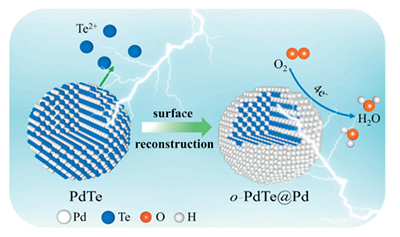
    Palladium-based alloy catalysts have been employed as one of the potential candidates for oxygen reduction reaction (ORR), but the dissolution of transition metal hinders their application. Herein, structure ordered PdTe intermetallic with Pd shell (o-PdTe@Pd) are synthesized via an electrochemical etching driven surface reconstruction strategy. The surface reconstruction could tune the electronic structure, weaken the adsorption energy of reaction intermediates on o-PdTe@Pd, resulting in enhanced electrocatalytic activity for ORR. The mass activity of o-PdTe@Pd is about 3.3 and 2.7 times higher than that of Pd/C in acid and alkaline, respectively. Besides, the half-potentials for ORR decay only about 44mV and 12mV after 30 k cycles accelerated durability test in acid and alkaline media, respectively. The enhanced durability originates from the resistance of Te atoms dissolve in the ordered PdTe intermetallic core and the core-shell structure. When assembled in a Zn-air battery, o-PdTe@Pd electrode delivers a higher specific capacity (794 mAh/g) and better cycling stability than Pt/C.
  • Yue Zhang, Xiaoya Fan, Xun He, Tingyu Yan, Yongchao Yao, Dongdong Zheng, Jingxiang Zhao, Qinghai Cai, Qian Liu, Luming Li, Wei Chu, Shengjun Sun, Xuping Sun
    中国化学快报. 2024, 35(08): 109806. https://doi.org/10.1016/j.cclet.2024.109806
    摘要 ( ) PDF全文 ( ) HTML 可视化 收藏
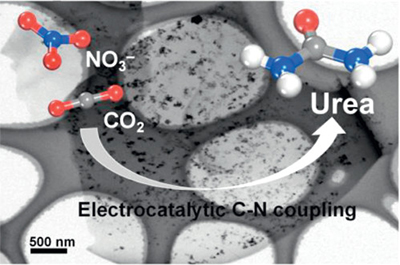
    Electrocatalytic synthesis of urea through C-N bond formation, converting carbon dioxide (CO2) and nitrate (NO3-), presents a promising, less energy-intensive alternative to industrial urea production process. In this communication, we report the application of Mo2C nanosheets-decorated carbon sheets (Mo2C/C) as a highly efficient electrocatalyst for facilitating C-N coupling in ambient urea electrosynthesis. In CO2-saturated 0.2mol/L Na2SO4 solution containing 0.05mol/L NO3-, the Mo2C/C catalyst achieves an impressive urea yield of 579.13μg h-1 mg-1 with high Faradaic efficiency of 44.80% at -0.5V versus the reversible hydrogen electrode. Further theoretical calculations reveal that the multiple Mo active sites enhance the formation of *CO and *NH2 intermediates and facilitate their C-N coupling. This research propels the use of Mo2C-based electrodes in electrocatalysis and accentuates the capabilities of binary metal-based catalysts in C-N coupling reactions.
  • Fabrice Nelly Habarugira, Ducheng Yao, Wei Miao, Chengcheng Chu, Zhong Chen, Shun Mao
    中国化学快报. 2024, 35(08): 109886. https://doi.org/10.1016/j.cclet.2024.109886
    摘要 ( ) PDF全文 ( ) HTML 可视化 收藏
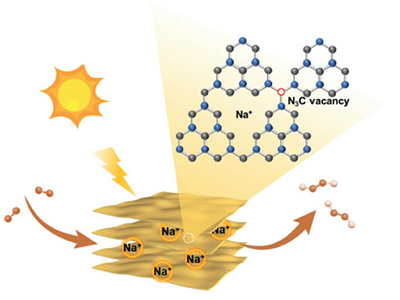
    Photocatalytic synthesis of hydrogen peroxide has gradually become a promising method for in-situ production of hydrogen peroxide, which relies on sustainable solar energy. However, the commonly used photocatalyst, i.e., carbon nitride (CN), still suffers from the drawbacks of narrow light absorption range and fast charge recombination. Here, we report a facile method to introduce nitrogen defects into carbon nitride together with sodium ion. By adjusting the ratio of sodium dicyandiamide, the band gap of carbon nitride can be controlled, while the carrier separation and transfer ability of carbon nitride is improved. The modified CN with sodium doping and nitrogen defect (SD-CN) demonstrates outstanding H2O2 production performance (H2O2 yield rate of 297.2 μmol L-1 h-1) under visible light irradiation, which is approximately 9.8 times higher than that of pristine CN. This work deepens the understanding of the coordinated effect of structural defect and element doping of carbon nitride on the photocatalytic H2O2 production performance, and provides new insight into the design of photocatalytic system for efficient production of H2O2.
  • Zhikang Wu, Guoyong Dai, Qi Li, Zheyu Wei, Shi Ru, Jianda Li, Hongli Jia, Dejin Zang, Mirjana Čolović, Yongge Wei
    中国化学快报. 2024, 35(08): 109061. https://doi.org/10.1016/j.cclet.2023.109061
    摘要 ( ) PDF全文 ( ) HTML 可视化 收藏
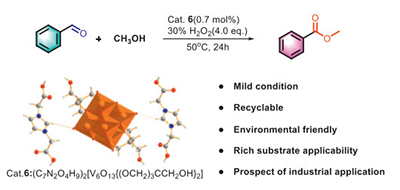
    The selective oxidative esterification of aldehydes with alcohols to the corresponding esters has been one of the hot spots in scientific research and industrial synthesis. However, the application of precious metal catalytic systems is limited by their complicated synthetic steps and high cost. Thus a highly efficient, green, recyclable selective synthesis method of esters catalyzed by polyoxovanadate (POV)-based molecular catalysts has been developed in this paper. The results show that supramolecular interaction between POV and 1,3-dibenzylimidazolium bromide (Act2Im) can efficiently convert alcohols and aldehydes to the corresponding esters in high yield under much milder conditions. Mechanistic insight is also provided based on the control experiments, single crystal X-ray diffraction and cyclic voltammetry studies.
  • Shuang Li, Jiayu Sun, Guocheng Liu, Shuo Zhang, Zhong Zhang, Xiuli Wang
    中国化学快报. 2024, 35(08): 109148. https://doi.org/10.1016/j.cclet.2023.109148
    摘要 ( ) PDF全文 ( ) HTML 可视化 收藏
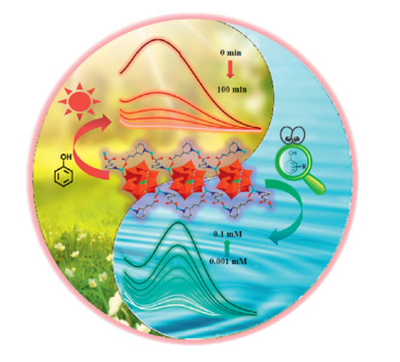
    The widespread application of phenolic substances in the field of food, medicine and industry, is harmful to the environment and human health. Therefore, it is very important to develop a convenient and effective method to detect and degrade phenolic compounds. Herein, we report a new keggin-type polyoxometallate-based metal-organic complex self-assembled under solvothermal condition, {[Cu(dap)(3-PA)]4(SiW12O40)(H2O)2}·2H2O (1, dap=1,2-diaminopropane, 3-HPA = 3-pyridineacrylic acid). 1 shows an interesting 1D ladder-like structure. As a bifunctional catalyst, 1 can be employed as a colorimetric sensor toward phenol with the relatively low detection limit (LOD) of 0.36 μmol/L (S/N=3) in the wide range (0.001-0.1mmol/L). The title colorimetric sensor is applied to determine phenol in various water environment with good recoveries ranging from 95%-105%. In addition, 1 also exhibits excellent photocatalytic degradation toward phenol under visible light with the highest removal efficiency at 96% for 100min and wide pH universality. The selectivity, stability and reliability of the detection of 1 towards phenol, as well as the detection for 4-chlorophenol, o-cresol, 4-nitrophenol and phloroglucinol were studied. Furthermore, the photocatalytic reaction kinetics and the mechanisms of photodegradation of phenol were also investigated in detail.
  • Linjing Li, Wenlai Xu, Jianyong Ning, Yaping Zhong, Chuyue Zhang, Jiane Zuo, Zhicheng Pan
    中国化学快报. 2024, 35(08): 109243. https://doi.org/10.1016/j.cclet.2023.109243
    摘要 ( ) PDF全文 ( ) HTML 可视化 收藏
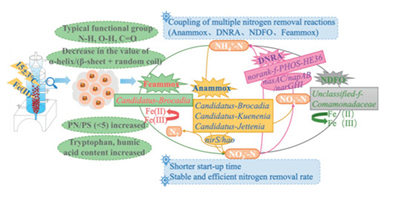
    Fe(II) is an essential trace element for anaerobic ammonium oxidation bacteria (AAOB) metabolism, and can improve the nitrogen removal efficiency of anaerobic ammonia oxidation (Anammox). Here we operated two identical expanded granular sludge bed (EGSB) reactors at low temperature (15±3 °C) for 154 days. Reactor 1 (R1) received additional Fe(II) (0.12mmol/L) during the late startup phase, while reactor 0 (R0) served as the control and did not receive extra Fe(II). Nitrogen removal in R1 became stable at 55 d of operation, ten days earlier than R0. The nitrogen removal rate (NRR) of R1 was 1.64kg N m-3 d-1 and its TN removal rate was as high as 89%, while R0 only reached 75%. The addition of Fe(II) was further beneficial to aggregation and stability of the granular sludge, and the used sludge of both reactors showed enrichment for AAOB populations compared to the inoculum, for instance, increased abundance of Candidatus-Kuenenia and in particular of Candidatus-Brocadia (from 0.17% to 10.10% in R0 and 7.79% in R1). Diverse microbial species and complex microbial network structure in R1 compared to R0 promoted the coupled denitrogenation by Anammox, dissimilatory nitrate reduction to ammonium (DNRA), nitrate-dependent Fe oxidation (NDFO), and ferric ammonium oxidation (Feammox). In addition, the microbial community in R1 was more resistant to short-term low temperature (2-7 °C) starvation, illustrating a further positive effect of adding Fe(II) during the startup phase of an Anammox reactor.
  • Chunxiu Yu, Zelin Wu, Hongle Shi, Lingyun Gu, Kexin Chen, Chuan-Shu He, Yang Liu, Heng Zhang, Peng Zhou, Zhaokun Xiong, Bo Lai
    中国化学快报. 2024, 35(08): 109334. https://doi.org/10.1016/j.cclet.2023.109334
    摘要 ( ) PDF全文 ( ) HTML 可视化 收藏
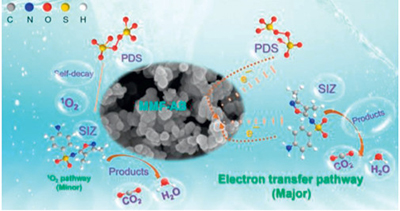
    Herein, a modified metal-free acetylene black (MMF-AB) catalyst was synthesized by a simple solvothermal-calcination method and designed successfully to activate peroxodisulfate (PDS) for the degradation of sulfisoxazole (SIZ). Due to the doping of N, S and O metal-free elements, the modified catalyst showed excellent catalytic performance with 100% SIZ removal within 30min. Pseudo first-order reaction rate constants (evaluating catalytic efficiencies and activity) of MMF-AB (kobs=0.105 min-1) was 3 times higher than pure-AB (kobs=0.029 min-1). Interestingly, it was demonstrated that the reaction system is based on the transfer of electrons from SIZ to PDS to realize an electron-transfer-based mechanism by the evidence of premixing, electron paramagnetic resonance (EPR) spectroscopy, salt-bridge experiments and electrochemical analyses. The introduction of recyclable filtration device solved the secondary pollution caused by the dispersion of the powdered catalyst in the treated water, which further proved the practicality and superiority of the MMF-AB catalyst.
  • Yu-Hang Li, Shuai Gao, Lu Zhang, Hanchun Chen, Chong-Chen Wang, Haodong Ji
    中国化学快报. 2024, 35(08): 109894. https://doi.org/10.1016/j.cclet.2024.109894
    摘要 ( ) PDF全文 ( ) HTML 可视化 收藏
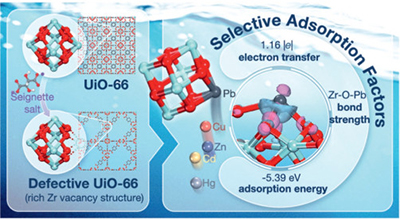
    Herein, we constructed defective UiO-66 with rich Zr vacancy structure model, in which the defective structure was verified by various characterizations. Also, the Pb adsorption experiments affirmed that defective UiO-66 could display better adsorption and selective adsorption ability than that of perfect UiO-66. The results of partial density of states (PDOS) and Mulliken charge population indicated that the blue shift of O 2p and Zr 4d orbit induced the electron rearrangement of atoms closed to the bonding sites, while the positive charge number of Zr atoms decreased than before. Combining with the expansion of pore size, Pb atom was more inclined to transfer and bond with unsaturated coordination oxygens. More significantly, quantitative structure-activity relationships (QSARs) demonstrated that selective capture of Pb instead of Zn, Cu, Cd and Hg displayed by defective UiO-66 was determined jointly by bond strength, adsorption energy and electron transfer. This work provided some theoretical direction for the purpose of the fabrication of adsorbent and the investigation of mechanism.
  • Yuchen Wang, Yaoyu Liu, Xiongfei Huang, Guanjie He, Kai Yan
    中国化学快报. 2024, 35(08): 109301. https://doi.org/10.1016/j.cclet.2023.109301
    摘要 ( ) PDF全文 ( ) HTML 可视化 收藏
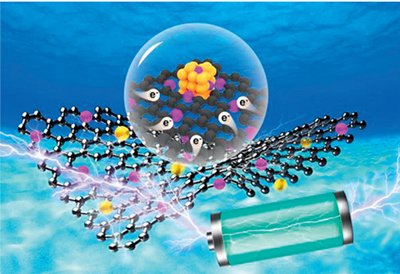
    Metal-nanocluster materials have gradually become a promising electrode candidate for supercapacitor application. The high-efficient and rational architecture of these metal-nanocluster electrode materials with satisfied supercapacitive performance are full of challenges. Herein, Fe-nanocluster anchored porous carbon (FAPC) nanosheets were constructed through a facile and low-cost impregnation-activation strategy. Various characterization methods documented that FAPC nanosheets possessed a mesopore-dominated structure with large surface area and abundant Fe-N4 active sites, which are crucial for supercapacitive energy storage. The optimal FAPC electrode exhibited a high specific capacitance of 378 F/g at a specific current of 1 A/g and an excellent rate capability (271 F/g at 10 A/g), which are comparable or even superior to that of most reported carbon candidates. Furthermore, the FAPC-based device achieved a desired specific energy of 14.8Wh/kg at a specific power of 700W/kg. This work opens a new avenue to design metal-nanocluster materials for high-performance biomass waste-based supercapacitors.
  • Yiqian Jiang, Zihan Yang, Xiuru Bi, Nan Yao, Peiqing Zhao, Xu Meng
    中国化学快报. 2024, 35(08): 109331. https://doi.org/10.1016/j.cclet.2023.109331
    摘要 ( ) PDF全文 ( ) HTML 可视化 收藏
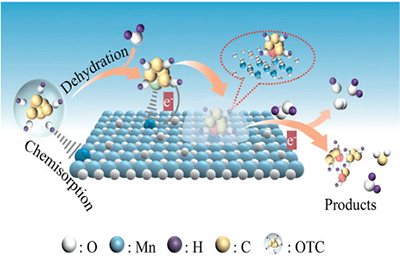
    In Fenton-like oxidation, the catalyst directly influences the reaction mechanism for the degradation of pollutants from water. Here, a α-MnO2 catalyst (OAm-1) was synthesized via a self-assembly method with the assistance of a surfactant. OAm-1 possessed a large specific surface area of 221m2/g, abundant mesoporous structures and a large proportion of Mn(III). Further characterization exhibited that OAm-1 had abundant oxygen vacancies and excellent reducibility and conductivity. The adsorption and catalytic ability of OAm-1 were studied in the degradation of oxytetracycline (OTC) via the activation of hydrogen peroxide (H2O2). Through the radical quenching experiments, electron resonance spectroscopy (EPR), X-ray photoelectron spectroscopy (XPS) and Fourier-transform infrared spectroscopy (FT-IR) analysis, Mn(III) of OAm-1 was proved to be the active sites for the chemisorption of OTC. Systematic electrochemical experiments and analysis have shown that a process of electron transfer mediated by OAm-1 occurred between the pollutant and H2O2 during a Fenton-like reaction. This work experimentally verifies the electron transfer process dominated nonradical mechanism over α-MnO2, which is helpful for understanding the catalytic mechanism of the Fenton-like oxidation.
  • Meijuan Chen, Liyun Zhao, Xianjin Shi, Wei Wang, Yu Huang, Lijuan Fu, Lijun Ma
    中国化学快报. 2024, 35(08): 109336. https://doi.org/10.1016/j.cclet.2023.109336
    摘要 ( ) PDF全文 ( ) HTML 可视化 收藏
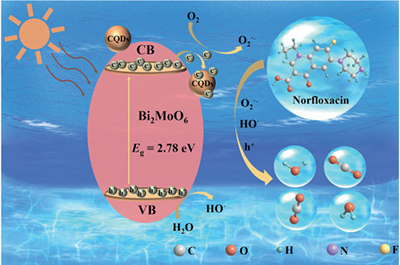
    In this study, three-dimensional microspherical CQDs/Bi2MoO6 heterostructures were synthesized using a simple alcohol-thermal method. It was found that the CQDs/Bi2MoO6 had a large specific surface area of 56.0 m2/g, and the introduction of CQDs extended the light absorption spectrum from 480nm to 496nm. When utilizing the synthesized CQDs/Bi2MoO6 composite for photocatalytic degradation of antibiotic norfloxacin in a water environment, complete decay of norfloxacin and effective removal of total organic carbon (TOC) were achieved within 30 min. Through the optimization of material synthesis and experimental conditions, the optimal CQDs loading amount was determined as 200 μL, the optimal CQDs/Bi2MoO6 dosage was 0.8g/L. Moreover, the CQDs/Bi2MoO6 worked well under a wide pH range of 4.4-10.8. The coexistence of HCO3- enhanced the norfloxacin decay, while the presence of Cl-, NO3-, and SO42- slightly retarded it. The synthesized CQDs/Bi2MoO6 had the great potential in removing and mineralizing norfloxacin in real aquatic environments.
  • Hongjie Guo, Qiang Wei, Yangyang Wu, Wei Qiu, Hongliang Li, Changyong Zhang
    中国化学快报. 2024, 35(08): 109325. https://doi.org/10.1016/j.cclet.2023.109325
    摘要 ( ) PDF全文 ( ) HTML 可视化 收藏
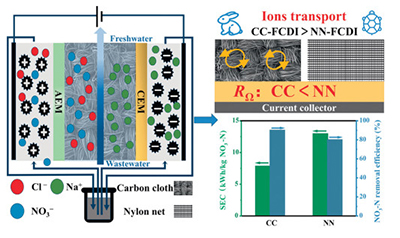
    Flow-electrode capacitive deionization (FCDI) represents a promising approach for ion separation from aqueous solutions. However, the optimization of spacer, particularly for nitrate-contaminated groundwater systems, has often been overlooked. This research comprehensively investigates the influence of using a conductive (carbon cloth, CC) spacer on nitrate removal performance within FCDI system, comparing it to a non-conductive (nylon net, NN) spacer. In both CC and NN FCDI systems, it is unsurprisingly that nitrate removal efficiency improved notably with the increasing current density and hydraulic retention time (HRT). Interestingly, the specific energy consumption (SEC) for nitrate removal did not show obvious fluctuations when the current density and HRT varied in both systems. Under the auspiciously optimized process parameters, CC-FCDI attained a 20% superior nitrate removal efficiency relative to NN-FCDI, accompanied by a notably diminished SEC for CC-FCDI, registering at a mere 28% of NN-FCDI. This great improvement can be primarily attributed to the decrement in FCDI internal resistance after using conductive spacer, which further confirmed by electrochemical tests such as linear sweep voltammetry (LSV) and electrochemical impedance spectroscopy (EIS). Upon prolonged continuous nitrate removal at the optimized conditions, the CC-FCDI system achieved a consistent 90% nitrate removal efficiency with a low SEC of 2.7-7.8kWh/kg NO3-N, underscoring its steady performance. Overall, this study highlights the pivotal importance of careful spacer design and optimization in realizing energy-efficient groundwater treatment via FCDI.
  • Xue Zhao, Mengshan Chen, Dan Wang, Haoran Zhang, Guangzhi Hu, Yingtang Zhou
    中国化学快报. 2024, 35(08): 109327. https://doi.org/10.1016/j.cclet.2023.109327
    摘要 ( ) PDF全文 ( ) HTML 可视化 收藏
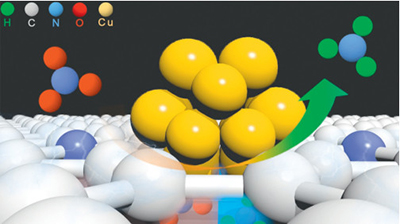
    Electrochemical-nitrate-reduction-reaction (eNitRR) synthesis of ammonia is an effective way to treat nitrate wastewater and alleviate the pressure of the Haber-Bosch ammonia production industry. How to develop effective catalysts to electrochemically reduce nitrate to ammonia and purify sewage under complex environmental conditions is the focus of current research. Herein, the dopamine polymerization process and the [(C12H8N2)2Cu]2+ complex embedding process were run simultaneously in time and space, and ultrafine Cu nanoparticles (Cu/CN) were effectively loaded on nitrogen-doped carbon after heat treatment. Using Cu/CN as the catalyst, the ammonia yield rate and Faradaic efficiency of the electrochemical conversion of NO3- to NH3 are highly 8984.0μg h-1 mgcat.-1 and 95.6%, respectively. Even in the face of complex water environments, such as neutral media, acidic media, coexisting ions, and actual nitrate wastewater, nitrate wastewater can be effectively purified to form high value-added ammonia. The strategy of simultaneous embedding increases the exposure rate of Cu sites, and the support of CN is also beneficial to reduce the energy barrier of *NO3 activation. This study rationally designed catalysts that are beneficial to eNitRR, and considered the situation faced by practical applications during the research stage, reducing the performance gap between laboratory exploration and industrial applications.
  • Yifen He, Chao Qu, Na Ren, Dawei Liang
    中国化学快报. 2024, 35(08): 109262. https://doi.org/10.1016/j.cclet.2023.109262
    摘要 ( ) PDF全文 ( ) HTML 可视化 收藏
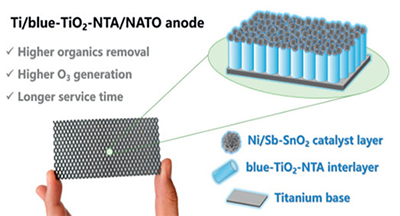
    Recently, a novel 2-electron oxygen reduction reaction (ORR) based electro-oxidation (EO) system was developed, which utilizes a H2O2 generation cathode instead of H2 evolution cathode. A Ti-based Ni-Sb co-doped SnO2 (Ti/NATO) anode was selected for efficient degradation of refractory organics and O3 production. The synergistic reaction of O3/H2O2 further accelerated the generation of hydroxyl radicals (·OH) in the ORR-EO system. However, the catalytic activity and long-term effectiveness of the Ti/NATO anode limited the large-scale application of the ORR-EO process. In this study, a blue TiO2 nanotube array (blue-TiO2-NTA) inter-layer was introduced into the fabrication process between the Ti substrate and NATO catalyst layer. Compared to the Ti/NATO anode, the Ti/blue-TiO2-NTA/NATO anode achieved higher efficiency of organic removal and O3 generation. Additionally, the accelerated lifetime of the Ti/blue-TiO2-NTA/NATO anode was increased by 7 times compared to the Ti/NATO anode. When combined with CNTs-C/PTFE air cathode in ORR-EO system, all anodic oxidation and O3/H2O2 processes achieved higher ·OH production. Over 92% of TOC in leachate bio-effluent was effectively eliminated with a relatively low energy cost of 45kWh/t.
  • Zhenchun Yang, Bixiao Guo, Zhenyu Hu, Kun Wang, Jiahao Cui, Lina Li, Chun Hu, Yubao Zhao
    中国化学快报. 2024, 35(08): 109251. https://doi.org/10.1016/j.cclet.2023.109251
    摘要 ( ) PDF全文 ( ) HTML 可视化 收藏
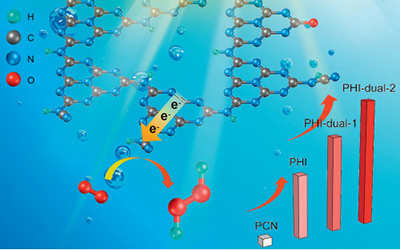
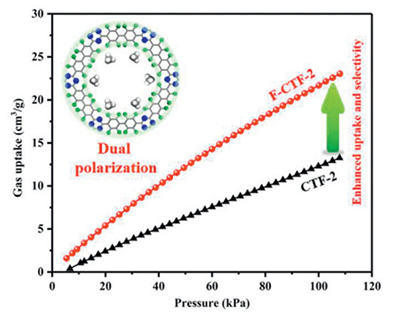
    The selective 2e- ORR reaction on polymeric carbon nitride framework is one of the most promising approaches for solar-driven hydrogen peroxide production. Poly(heptazine imide) (PHI) as a class of K+-incorporated crystalline carbon nitride framework, is highly active for photocatalytic H2O2 production. An upgrade on the H2O2 photoproduction performance of PHI is realized and the mechanistic insights are revealed in this work. By photochemical reaction, the electron withdrawing groups of hydroxyl group and cyano group are grafted on the surface of PHI frameworks. The dual polarization sites on the surface contribute significantly to the enhancement of the exciton dissociation. The optimized PHI with dual polarization sites exhibits a remarkable photocatalytic H2O2 production performance, which is 2 times of the active pristine PHI. Most importantly, the photochemical reaction method is generally applicable to improve the exciton dissociation of a wide range of polymeric carbon nitride frameworks with various structure and compositions; and the thiourea-derived polymeric carbon nitride framework with dual surface polarization sites exhibits a remarkable photocatalytic performance with a high H2O2 production rate of 40.5mmol h-1 g-1.
  • Zhiqiang Liu, Qiang Gao, Wei Shen, Meifeng Xu, Yunxin Li, Weilin Hou, Hai-Wei Shi, Yaozuo Yuan, Erwin Adams, Hian Kee Lee, Sheng Tang
    中国化学快报. 2024, 35(08): 109338. https://doi.org/10.1016/j.cclet.2023.109338
    摘要 ( ) PDF全文 ( ) HTML 可视化 收藏
    Owing to the serious potential side-effects on the environment and human health, the rapid detection and removal of antibiotics have become an important research focus. In this work, four zinc-based metal-organic frameworks (MOFs) with different functional groups, i.e., Zn-MOF, Zn-MOF-CH3, Zn-MOF-NO2, Zn-MOF-COOH, were utilized for the construction of LDO/MOF composite materials with a nickel-iron-cobalt-based layered double oxide, NiFeCo-LDO. The results showed that the LDO/MOF composites not only had high sensitivity in detecting sulfonamide and quinolone antibiotics, but also had an appreciable ability to adsorb them from wastewater. The maximum adsorption capacities of all the four types of LDO@Zn-MOFs to all antibiotics can at least reach 150mg/g, and the limits of detection in relation to all four antibiotics were at least as low as 100μg/L. Our work suggested the dual-function extraction performance can be attributed to the synergistic effects between the LDO and the MOFs. Moreover, the strong ferromagnetism derived from the LDO provided great convenience for the separation and regeneration of the LDO/MOF composites.
  • Lingling Su, Qunyan Wu, Congzhi Wang, Jianhui Lan, Weiqun Shi
    中国化学快报. 2024, 35(08): 109402. https://doi.org/10.1016/j.cclet.2023.109402
    摘要 ( ) PDF全文 ( ) HTML 可视化 收藏
    The extraction of radioactive minor actinides (An(III)) from lanthanides (Ln(III)) is an extremely important step in nuclear waste reprocessing. Designing ligands with high-performance actinide-selectivity remains an essential task. Recent works have reported that some polyazole based ligands exhibit good An(III)/Ln(III) separation performance. Herein, we first evaluated the effects of different polyazole side chains on the Am(III)/Eu(III) selectivity by exploring three pyridine-derived polyazole ligands L1, L2 and L3 with 1,2,4-triazole, 1,2,3-triazole, and pyrazole side chains, respectively, using scalar relativistic theoretical methods. The coordination structures, bonding properties and thermodynamic behaviors of AmL(NO3)3 and EuL(NO3)3 complexes were investigated, which clarifies that the side chains do affect the electronic structure of ligand and its selectivity for Am(III)/Eu(III) ions. Moreover, L1 with 1,2,4-triazole side chains exhibited the highest selectivity for Am(III) over Eu(III) while the lowest complexation ability for metal ions among the three pyridine-derived polyazole ligands. Subsequently, we designed a new ligand L4 containing 1,2,4-triazole side chains and a preorganized phenanthroline backbone. Theoretically, such a new ligand was verified to show stronger complexation ability and higher selectivity for Am(III)/Eu(III) ions than L1. This work clarifies the complexation nature of polyazole based ligands with Am(III)/Eu(III) ions and provides design strategies for highly efficient polyazole based ligands for An(III)/Ln(III) separation.
  • Tian Feng, Yun-Ling Gao, Di Hu, Ke-Yu Yuan, Shu-Yi Gu, Yao-Hua Gu, Si-Yu Yu, Jun Xiong, Yu-Qi Feng, Jie Wang, Bi-Feng Yuan
    中国化学快报. 2024, 35(08): 109259. https://doi.org/10.1016/j.cclet.2023.109259
    摘要 ( ) PDF全文 ( ) HTML 可视化 收藏
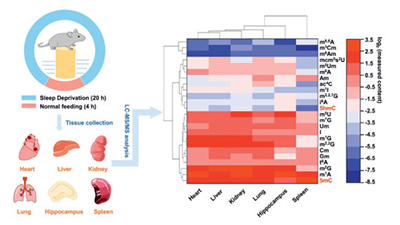
    Sleep deprivation (SD) is a widespread issue that disrupts the lives of millions of people. These effects initiate as changes within neurons, specifically at the DNA and RNA level, leading to disruptions in neuronal plasticity and the dysregulation of various cognitive functions, such as learning and memory. Nucleic acid epigenetic modifications that could regulate gene expression have been reported to play crucial roles in this process. However, there is a lack of comprehensive research on the correlation of SD with nucleic acid epigenetic modifications. In the current study, we aimed to systematically investigate the landscape of modifications in DNA as well as in small RNA molecules across multiple tissues, including the heart, liver, kidney, lung, hippocampus, and spleen, in response to chronic sleep deprivation (CSD). Using liquid chromatography-tandem mass spectrometry (LC-MS/MS) analysis, we characterized the dynamic changes in DNA and RNA modification profiles in different tissues of mice under CSD stress. Specifically, we observed a significant decrease in the level of 5-methylcytosine (5mC) and a significant increase in the level of 5-hydroxymethylcytosine (5hmC) in the kidney in CSD group. Regarding RNA modifications, we observed an overall increased trend for most of these significantly changed modifications across six tissues in CSD group. Our study sheds light on the significance of DNA and RNA modifications as crucial epigenetic markers in the context of CSD-induced stress.
  • Mei-Chen Liu, Qing-Song Liu, Yi-Zhou Quan, Jia-Ling Yu, Gang Wu, Xiu-Li Wang, Yu-Zhong Wang
    中国化学快报. 2024, 35(08): 109123. https://doi.org/10.1016/j.cclet.2023.109123
    摘要 ( ) PDF全文 ( ) HTML 可视化 收藏
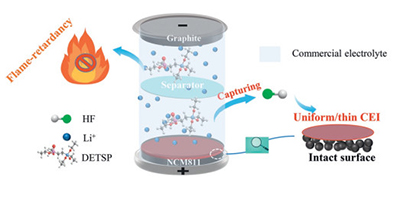
    Safety and energy density are significant for lithium-ion batteries (LIBs), and the flammable organic electrolyte is one of the most critical causes of the safety problem of LIBs. Although LiNi0.8Co0.1Mn0.1O2 (NCM811) cathode with high capacity can improve the energy density, the interface stability between NCM811 cathode and electrolytes needs to be improved. Herein, we report a multifunctional additive, diethyl (2-(triethoxysilyl)ethyl) phosphonate (DETSP), which can suppress the flammability of the electrolyte and enhance the cycling stability of NCM811 cathode with a capacity retention of 89.9% after 400 cycles at 1 C, while that of the blank electrolyte is merely 61.3%. In addition, DETSP is compatible well with the graphite anode without impairing the electrochemical performances. Significantly, the performance and safety of NCM811/graphite full cells are also improved. Experimental and theoretical results demonstrate that DETSP can scavenge acidic byproducts and is beneficial to form a stable cathode-electrolyte interface (CEI). Accordingly, DETSP can potentially be an effective solution to ameliorating the safety of the commercial electrolyte and improving the stability of high-voltage cathodes.
  • Hengying Xiang, Nanping Deng, Lu Gao, Wen Yu, Bowen Cheng, Weimin Kang
    中国化学快报. 2024, 35(08): 109182. https://doi.org/10.1016/j.cclet.2023.109182
    摘要 ( ) PDF全文 ( ) HTML 可视化 收藏
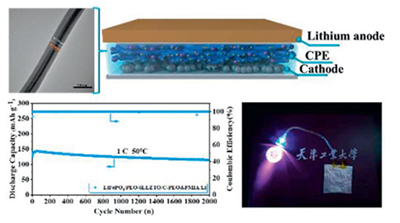
    Satisfactory ionic conductivity, excellent mechanical stability, and high-temperature resistance are the prerequisites for the safe application of solid polymer electrolytes (SPEs) in all-solid-state lithium metal batteries (ASSLMBs). In this study, a novel poly(m-phenylene isophthalamide) (PMIA)-core/poly(ethylene oxide) (PEO)-shell nanofiber membrane and the functional Li6.4La3Zr1.4Ta0.6O12 (LLZTO) ceramic nanoparticle are simultaneously introduced into the PEO-based SPEs to prepare composite polymer electrolytes (CPEs). The core PMIA layer of composite nanofibers can greatly improve the mechanical strength and thermal stability of the CPEs, while the shell PEO layer can provide the 3D continuous transport channels for lithium ions. In addition, the introduction of functional LLZTO nanoparticle not only reduces the crystallinity of PEO, but also promotes the dissociation of lithium salts and releases more Li+ ions through its interaction with the Lewis acid-base of anions, thereby overall improving the transport of lithium ions. Consequently, the optimized CPEs present high ionic conductivity of 1.38 × 10⁻⁴ S/cm at 30°C, significantly improved mechanical strength (8.5MPa), remarkable thermal stability (without obvious shrinkage at 150°C), and conspicuous Li dendrites blocking ability (> 1800h). The CPEs also both have good compatibility and cyclic stability with LiFePO4 (> 2000 cycles) and high-voltage LiNi0.8Mn0.1Co0.1O2 (NMC811) (> 500 cycles) cathodes. In addition, even at low temperature (40°C), the assembled LiFePO4/CPEs/Li battery still can cycle stably. The novel design can provide an effective way to exploit high-performance solid-state electrolytes.
  • Peng Zhou, Ziang Jiang, Yang Li, Peng Xiao, Feixiang Wu
    中国化学快报. 2024, 35(08): 109467. https://doi.org/10.1016/j.cclet.2023.109467
    摘要 ( ) PDF全文 ( ) HTML 可视化 收藏
    Sulphur (S)-template method based on conventional slurry-casting method has been developed to produce porous silicon (Si) electrodes. The facile fabrication technology is suitable for current production line and expected to be widely applied to various electrode materials under large volume change during operation. Specifically, S particles as template agent are mixed with active material Si, carbon conductor and binder forming uniform slurry. After casting and drying, the electrodes are immersed in carbon disulfide solution to remove S particles rapidly, generating pores in-situ at the original position of S particles. Electrochemical analysis shows that the pores inside electrodes are able to shorten lithium ion diffusion paths, reduce normal expansion rate and decrease formation of cracks in the Si electrode (2 mgSi/cm2), demonstrating a reversible capacity of 951 mAh/g at 0.5 A/g after 100 cycles (with a capacity retention of 99.5%) and a capacity of ~826 mAh/g at 2 A/g.
  • Rui Cheng, Xin Huang, Tingting Zhang, Jiazhuang Guo, Jian Yu, Su Chen
    中国化学快报. 2024, 35(08): 109278. https://doi.org/10.1016/j.cclet.2023.109278
    摘要 ( ) PDF全文 ( ) HTML 可视化 收藏
    Facile and efficient method for constructing carbon dots (CDs) with narrow full width at half maximum (FWHM) is a major challenge in the field, and researches on regulating the FWHM of CDs are also rare and scarce. In this work, we delved into the synthesis of CDs with narrow fluorescence emission FWHM (NFEF-CDs) in the m-phenylenediamine (m-PD)/ ethanol system, utilizing solid superacid resin as catalyst with solvothermal method. The resulting NFEF-CDs exhibit a photoluminescent (PL) emission peak at 521nm with a narrow FWHM of 41nm, an absolute PL quantum yield (QY) of 80%, and display excitation-independent PL behavior. Through comprehensive characterization, we identified the protonation of edge amino on NFEF-CDs as the key factor in achieving the narrow FWHM. Subsequently, we validated the broad applicability of solid superacid resins as catalysts for synthesizing CDs with narrow FWHM in the m-PD/ethanol system. Finally, we utilized a self-leveling method to prepare NFEF-CDs film on the surface of poly(methyl methacrylate) (PMMA) substrate and investigated the solid-state fluorescence properties of NFEF-CDs as well as their performance as luminescence solar concentrator (LSC) for photovoltaic conversion. The results revealed that the as-prepared LSC exhibit an internal quantum efficiency (ηint) of 42.39% and an optical efficiency (ηopt) of 0.68%. These findings demonstrate the promising prospects of NFEF-CDs in the field of LSCs and provide a theoretical basis for their application in photovoltaic conversion.
  • Yiran Tao, Chunlei Dai, Zhaoxiang Xie, Xinru You, Kaiwen Li, Jun Wu, Hai Huang
    中国化学快报. 2024, 35(08): 109170. https://doi.org/10.1016/j.cclet.2023.109170
    摘要 ( ) PDF全文 ( ) HTML 可视化 收藏
    Traditional therapies such as surgery and endocrine therapy no longer meet the clinical needs in prostate cancer treatment, and more effective treatments are urgently required. Recent studies have reported that targeted inhibition of the transcription factor cyclin dependent kinase 7 (CDK7) could effectively suppress prostate cancer progression. However, the toxicity of CDK7 inhibitors such as THZ1 is the main limitation of the clinical application. In this work, we synthesized Cys8E (C8E) nanoparticles (NPs) loaded with THZ1 (C8E@THZ1), a novel GSH-targeting and stimuli-responsive nano-delivery platform, and investigated its anti-tumor potential and biosafety properties. In vitro, C8E@THZ1 potently inhibited the proliferation and promoted the apoptosis of prostate cancer cells. On tumor-bearing mice, C8E@THZ1 inhibited tumors by up to 85%, while the damage of THZ1 to liver function was effectively avoided. These results confirmed that inhibition of CDK7 can effectively block the progression of prostate cancer, and that Cys8E NPs is a highly prospective delivery platform to promote the clinical application of CDK7 inhibitors.
  • Huijiao Fu, Peiqin Liang, Qianwen Chen, Yan Wang, Guang Li, Xuzi Cai, Shengtao Wang, Kun Chen, Shengying Shi, Zhiqiang Yu, Xuefeng Wang
    中国化学快报. 2024, 35(08): 109241. https://doi.org/10.1016/j.cclet.2023.109241
    摘要 ( ) PDF全文 ( ) HTML 可视化 收藏
    Recently, the utilization of nonsteroidal anti-inflammatory drugs (NSAIDs) to sensitize cisplatin (CDDP) has gained substantial traction in the treatment of ovarian cancer (OC). However, even widely employed NSAIDs such as celecoxib and naproxen carry an elevated risk of cardiovascular events, notably thrombosis. Furthermore, the diminished sensitivity to CDDP therapy in OC is multifactorial, rendering the application of NSAIDs only partially effective due to their cyclooxygenase-2 (COX-2) inhibiting mechanism. Hence, in this study, reactive oxygen species (ROS)-responsive composite nano-hydrangeas loaded with the Chinese medicine small molecule allicin and platinum(IV) prodrug (DTP@AP NPs) were prepared to achieve comprehensive chemosensitization. On one front, allicin achieved COX-2 blocking therapy, encompassing the inhibition of proliferation, angiogenesis and endothelial mesenchymal transition (EMT), thereby mitigating the adverse impacts of CDDP chemotherapy. Simultaneously, synergistic chemosensitization was achieved from multifaceted mechanisms by decreasing CDDP inactivation, damaging mitochondria and inhibiting DNA repair. In essence, these findings provided an optimized approach for synergizing CDDP with COX-2 inhibitors, offering a promising avenue for enhancing OC treatment outcomes.
  • Chunqing Ou, Meijia Xiao, Xinyue Zheng, Xianzhou Huang, Suleixin Yang, Yingying Leng, Xiaowei Liu, Xiuqi Liang, Linjiang Song, Yanjie You, Shaohua Yao, Changyang Gong
    中国化学快报. 2024, 35(08): 109275. https://doi.org/10.1016/j.cclet.2023.109275
    摘要 ( ) PDF全文 ( ) HTML 可视化 收藏
    Essential amino acids (EAAs) deprivation is a potential antitumor approach because EAAs are critical for tumor growth. To efficiently inhibit tumor growth, continuous deprivation of EAAs is required, however, continuous deprivation without precise control will introduce toxicity to normal cells. Herein, a programmable double-unlock nanocomplex (ROCK) was prepared, which could self-supply phenylalanine ammonia-lyase (PAL) to tumor cells for phenylalanine (Phe) deprivation. ROCK was double-locked in physiological conditions when administered systemically. While ROCK actively targeted to tumor cells by integrin αvβ3/5 and CD44, ROCK was firstly unlocked by cleavage of protease on tumor cell membrane, exposing CendR and R8 to enhance endocytosis. Then, hyaluronic acid was digested by hyaluronidase overexpressed in endo/lysosome of tumor cells, in which ROCK was secondly unlocked, resulting in promoting endo/lysosome escape and PAL plasmid (pPAL) release. Released pPAL could sustainably express PAL in host tumor cells until the self-supplied PAL precisely and successfully deprived Phe, thereby blocking the protein synthesis and killing tumor cells specifically. Overall, our precise Phe deprivation strategy effectively inhibited tumor growth with no observable toxicity to normal cells, providing new insights to efficiently remove intratumoral nutrition for cancer therapy.
  • Yixia Zhang, Caili Xue, Yunpeng Zhang, Qi Zhang, Kai Zhang, Yulin Liu, Zhaohui Shan, Wu Qiu, Gang Chen, Na Li, Hulin Zhang, Jiang Zhao, Da-Peng Yang
    中国化学快报. 2024, 35(08): 109196. https://doi.org/10.1016/j.cclet.2023.109196
    摘要 ( ) PDF全文 ( ) HTML 可视化 收藏
    There is increasing evidence shows that either electrical stimulation (ES) or metal ion is an effective way to accelerate ulcerative wound healing. However, less attention is paid to investigating the synergistic effect between them. Herein, we explore the combined effects of ES and multiple metal ions on diabetic wound healing assisted by a triboelectric nanogenerator (TENG). Firstly, the novel Eggshell@CuFe2O4 nanocomposites (NCs) are prepared, which show unique structure and intrinsic antimicrobial properties. Subsequently, the as-prepared nanocomposites are embedded in oxidized starch hydrogel to form a multifunctional composite gel, which is further assembled into a wearable ionic triboelectric nanogenerator (iTENG) patch with polydimethylsiloxane (PDMS). It can convert the mechanical energy produced by a human body motion to electric energy and mediate the sequential release of metal ions (Fe2+/Ca2+/Cu2+), thereby resulting in the “cocktail effect” on impaired tissue. Under their effects, a satisfying healing result in diabetic mouse is identified, which can effectively accelerate wound healing process by relieving inflammation, promoting angiogenesis and collagen deposition. The work puts forward the cocktail effect of electric simulation coupled with the multiple metal ions, and opens up a new perspective in designing iTENG patch towards repair of hard-to-heal wounds.
  • Yuxin Tian, Mengjun Li, Yang Yang, Chunhui Li, Yun Peng, Haiyin Yang, Mengyuan Zhao, Pengfei Wu, Shaobo Ruan, Yuanyu Huang, Chenguang Shen, Minghui Yang
    中国化学快报. 2024, 35(08): 109270. https://doi.org/10.1016/j.cclet.2023.109270
    摘要 ( ) PDF全文 ( ) HTML 可视化 收藏
    The monkeypox virus (MPXV) outbreak, declared a Public Health Emergency of International Concern (PHEIC) by the World Health Organization (WHO) in 2022, continues to pose a significant threat due to the absence of vaccines or drugs for MPXV infection. In this study, we developed an mRNA vaccine that expressing the A29L antigen, a specific protein of the intracellular mature virus. Our vaccine utilizes a thermostable ionizable lipid nanoparticle (iLNP) platform and has been administered to mice. Our findings demonstrate that the MPXV A29L mRNA vaccine candidate induces robust cross-neutralizing immune responses against both vaccinia virus (VACV) and MPXV live virus. Furthermore, immunization with the vaccine candidate provided protection against the VACV challenge in mice. These findings underscore the potential of mRNA-LNP vaccines as safe and effective candidates against monkeypox epidemics. Given the current absence of specific interventions for MPXV infection, our study represents a significant step forward in developing a viable solution to combat this ongoing public health threat.
  • Xiangqian Cao, Chenkai Yang, Xiaodong Zhu, Mengxin Zhao, Yilin Yan, Zhengnan Huang, Jinming Cai, Jingming Zhuang, Shengzhou Li, Wei Li, Bing Shen
    中国化学快报. 2024, 35(08): 109199. https://doi.org/10.1016/j.cclet.2023.109199
    摘要 ( ) PDF全文 ( ) HTML 可视化 收藏
    Bladder cancer is a common malignant tumor of the urinary system with the potential to be treated by nano drug delivery system. The current work describes the synthesis and characterization of a novel nanomaterial to construct a nano-carrier based on 1-palmitoyl-2-oleoyl-sn-glycerol-3-phosphatecholine (POPC) loaded doxorubicin (DOX) and embedded with gold nanoparticles and poly(N-isopropyl acrylamide) (PNIPAM) (GNPS@PNIPAM-POPC-DOX, GPPD). The dual-sensitive nanosystem gives simultaneous photothermal treatment and chemotherapy for bladder cancer. In vitro and in vivo properties were assessed using bladder cancer cell lines and mice and GPPD system distribution, tumor inhibition, and biocompatibility are reported. The system had favorable stability, low biological toxicity, controlled release efficiency, photothermal synergistic action, efficient photothermal transition, and favorable tumor suppressive effects. As a result, GPPD is a potential therapeutic approach for bladder cancer.
  • Tong Zhang, Chao Sun, Shubin Yang, Zimin Cai, Sifeng Zhu, Wendian Liu, Yun Luan, Cheng Wang
    中国化学快报. 2024, 35(08): 109248. https://doi.org/10.1016/j.cclet.2023.109248
    摘要 ( ) PDF全文 ( ) HTML 可视化 收藏
    Idiopathic pulmonary fibrosis (IPF) is a chronic and fatal lung disease characterized by pulmonary inflammation, oxidative stress, and excessive extracellular matrix (ECM) deposition. Current anti-fibrotic drugs for IPF treatment in the clinic lack selectivity and demonstrate unsatisfactory efficacy, highlighting the urgent necessity for a novel therapeutic strategy. Taraxasterol (TA), which has biological activities against lung injury induced by various factors, is a potential anti-IPF drug due to its anti-inflammatory, antioxidant and lung-protective effects. However, the protective effect of TA on IPF has not been confirmed, and its clinical application is limited due to its poor aqueous solubility. In this study, we demonstrated that TA could inhibit epithelial-mesenchymal transition (EMT) and migration of A549 cells by inhibiting the transforming growth factor-β1 (TGF-β1)/Smad signaling pathway. To improve the aqueous solubility and pulmonary administration performance of TA, we prepared TA loaded methoxy poly(ethylene glycol)-poly(D,L-lactide) (mPEG-PLA)/D-α-tocopheryl polyethylene glycol succinate (TPGS) mixed polymeric micelles (TA-PM). Then a MicroSprayer® Aerosolizer was used to deliver TA-PM once every two days for three weeks to evaluate their therapeutic effects on bleomycin (BLM)-induced IPF mice. Our results demonstrated that inhaled TA-PM significantly inhibited BLM-induced inflammation, oxidative stress and fibrosis in lung tissue. Furthermore, TA-PM exhibited high pulmonary deposition and retention by pulmonary administration, along with a favorable safety profile. Overall, this study emphasizes the potential of inhaled TA-PM as a promising treatment for IPF, providing a new opportunity for their clinical application.
  • Jiaqi Huang, Renjiang Kong, Yanmei Li, Ni Yan, Yeyang Wu, Ziwen Qiu, Zhenming Lu, Xiaona Rao, Shiying Li, Hong Cheng
    中国化学快报. 2024, 35(08): 109254. https://doi.org/10.1016/j.cclet.2023.109254
    摘要 ( ) PDF全文 ( ) HTML 可视化 收藏
    Oxidative therapies receive a limited antitumor efficiency due to the insufficient reactive oxygen species (ROS) levels at focal sites and the evolvement of antioxidant defense systems. Herein, we develop an albumin-based nanomedicine to co-deliver chlorin e6 (Ce6) and COH-SR4 (CS), which can simultaneously enhance the yield and lethality of intracellular ROS for amplified photodynamic therapy (PDT). In which, CS acts as both an activator of AMP-activated protein kinase (AMPK) and an inhibitor of glutathione S-transferases (GSTs). Benefiting from it, the prepared HSA-Ce6@COH-SR4 (HCCS) enables positive feedback uptake by promoting AMPK phosphorylation, leading to rapid and extensive tumor accumulation of drugs. As a result, HCCS obviously increases the ROS production to elevate intracellular oxidative stress. Furthermore, HCCS can inhibit GSTs to disturb the antioxidant defense system of tumor cells, intensifying the oxidative damage of ROS. Ultimately, the PDT of HCCS is significantly strengthened by improving the ROS yield and lethality, which greatly declines the proliferation of breast cancer in vivo. This study may open a window in the development of drug co-delivery system for enhanced oxidative therapy of tumors.
  • Wenbi Wu, Yinchu Dong, Haofan Liu, Xuebing Jiang, Li Li, Yi Zhang, Maling Gou
    中国化学快报. 2024, 35(08): 109260. https://doi.org/10.1016/j.cclet.2023.109260
    摘要 ( ) PDF全文 ( ) HTML 可视化 收藏
    Bioprinting is emerging as an advanced tool in tissue engineering. However, there is still a lack of bioinks able to form hydrogels with desirable bioactivities that support positive cell behaviors. In this study, modified plasma proteins capable of forming hydrogels with multiple biological functions are developed as bioinks for digital light processing (DLP) printing. The Plasma-MA (BM) was synthesized via a one-pot method through the reaction between the fresh frozen plasma and methacrylic anhydride. The methacrylated levels were observed to influence the physical properties of BM hydrogels including mechanical properties, swelling, and degradation. The photo-crosslinked BM hydrogels can sustainedly release vascular endothelial growth factor (VEGF) and exhibit positive biological effects on cell adhesion and proliferation, and cell functionality such as tube formation of human umbilical vein endothelial cells (HUVECs), and neurite elongation of rat pheochromocytoma cells (PC12). Meanwhile, BM hydrogels can also induce cell infiltration, modulate immune response, and promote angiogenesis in vivo. Moreover, the plasma bioinks can be used to fabricate customized scaffolds with complex structures through a DLP printing process. These findings implicate that the modified plasma with growth factor release is a promising candidate for bioprinting in autologous and personalized tissue engineering.
  • Peizhe Li, Qiaoling Liu, Mengyu Pei, Yuci Gan, Yan Gong, Chuchen Gong, Pei Wang, Mingsong Wang, Xiansong Wang, Da-Peng Yang, Bo Liang, Guangyu Ji
    中国化学快报. 2024, 35(08): 109457. https://doi.org/10.1016/j.cclet.2023.109457
    摘要 ( ) PDF全文 ( ) HTML 可视化 收藏
    Delayed or non-healing of diabetic wounds is a significant complication, often attributed to high glucose-induced M1 macrophage accumulation, impaired angiogenesis, and reactive oxygen species (ROS) buildup. Addressing this, we introduced a strontium polyphenol network microneedle patch (SrC-MPNs@MN-PP) for percutaneous drug delivery. This patch, formulated with polymer poly(γ-glutamic acid) (γ-PGA) and epsilon-poly-l-lysine (ε-PLL), incorporates strontium polyphenol networks (SrC-MPNs). The release of chlorogenic acid (CGA) from SrC-MPNs not only neutralizes ROS, but strontium ions also foster angiogenesis. Consequently, SrC-MPNs@MN-PP can ameliorate the diabetic wound microenvironment and expedite healing.
  • Zhao-Xia Lian, Xue-Zhi Wang, Chuang-Wei Zhou, Jiayu Li, Ming-De Li, Xiao-Ping Zhou, Dan Li
    中国化学快报. 2024, 35(08): 109063. https://doi.org/10.1016/j.cclet.2023.109063
    摘要 ( ) PDF全文 ( ) HTML 可视化 收藏
    The development of circularly polarized luminescence (CPL) materials with high performance is significantly important. Herein, we develop a facial strategy for fabricating a CPL-active system by employing an achiral luminescent metal-organic cage (MOC) and chiral boron dipyrromethene (BODIPY) molecules. CPL is achieved by taking advantage of the radiative energy transfer process, in which BODIPY molecules act as energy acceptors and MOCs act as donors. The CPL performance (maximum luminescence dissymmetry factor up to ± 1.5 × 10⁻³) can be tuned by adjusting the ratio between MOCs and BODIPY. White-light emission with the CPL feature is obtained by using a ternary system including MOC, chiral BODIPY, and Rhodamine B. The present work provides a facile and universal strategy to construct a CPL-active system by integrating achiral luminophores and chiral molecules.
  • Yongjing Deng, Feiyang Li, Zijian Zhou, Mengzhu Wang, Yongkang Zhu, Jianwei Zhao, Shujuan Liu, Qiang Zhao
    中国化学快报. 2024, 35(08): 109085. https://doi.org/10.1016/j.cclet.2023.109085
    摘要 ( ) PDF全文 ( ) HTML 可视化 收藏
    Recently, organic-inorganic hybrid metal halides (HMHs) have attracted extensive attention as promising multifunctional materials by virtue of their structural diversity and tunable photophysical properties. However, it remains a challenge to design HMHs with specific functions on demand. Herein, by introducing R/S-methylbenzylamine (R/S-MBA) and doping Sb3+, we have achieved both second harmonic generation (SHG) and circularly polarized luminescence (CPL) properties in lead-free indium halides. The introduction of chiral organic cations can break the symmetry and induce the indium halides to crystallize in the chiral space group. The Sb3+ with ns2 electronic configuration can serve as the dopants to promote the formation of self-trapped excitons, so as to activate highly efficient luminescence. As a result, the as-prepared Sb3+ doped (R/S-MBA)3InCl6 show not only SHG responses but also CPL signals with luminescence dissymmetry factor of -5.3 × 10⁻³ and 4.7 × 10⁻³. This work provides a new inspiration for the exploitation of chiral multifunctional materials.
  • Ying Chen, Li Li, Junyao Zhang, Tongrui Sun, Xuan Zhang, Shiqi Zhang, Jia Huang, Yidong Zou
    中国化学快报. 2024, 35(08): 109102. https://doi.org/10.1016/j.cclet.2023.109102
    摘要 ( ) PDF全文 ( ) HTML 可视化 收藏
    Intelligent chemical sensors have been extensively used in food safety and environmental assessment, while limited sensitivity and homogeneity bring about huge obstacles to their practical application. Herein, novel ionically conductive sensitive materials were elaborately designed based on metal ion decorated graphene oxide (GO) via a facile and general in-situ spin-coating strategy, where the abundant functional groups (-OH and -COOH) of GO layer could provide natural binding sites for various bivalent metal cations (such as Cu2+, Ni2+, Zn2+, Co2+, and Mg2+) through coordination and electrostatic interaction. The intercalated metal cations on the layered GO nanosheets can be regarded as charge carriers and complexation with targeted gas (cadaverine, Cad), which is a typical metabolites production and food degradants. By contrast, the designed GO@Cu(II) sensor exhibited the optimal sensing performance toward Cad molecules at room temperature, including ultra-low detection limit (ca. 3 nL), excellent sensitivity, and rapid low concentration detection rate (only 16s). Interestingly, the sensor exhibited an irreversible and specific response toward Cad, while it showed a transient and reversible response to other interfering gases, implying its outstanding selectivity. In addition, the GO@Cu(II) sensor enabled real-time monitoring of the decay progression of cheese, and it exhibited great potential for large-scale production via its excellent homogeneity. It provides an efficient approach to tailoring intelligent chemical sensors for real-time food safety monitoring and human health warning.
  • Longlong Geng, Huiling Liu, Wenfeng Zhou, Yong-Zheng Zhang, Hongliang Huang, Da-Shuai Zhang, Hui Hu, Chao Lv, Xiuling Zhang, Suijun Liu
    中国化学快报. 2024, 35(08): 109120. https://doi.org/10.1016/j.cclet.2023.109120
    摘要 ( ) PDF全文 ( ) HTML 可视化 收藏
    Metal-organic frameworks (MOFs) functionalized with open metal sites (OMSs) have received widespread attention in various applications due to their fascinating electronic properties and unique interactions with guest molecules. However, rational tailoring of the coordination environment of metal nodes during the synthesis of MOFs remains a great challenge due to their tendency of saturated coordination with linkers. Herein, we reported the construction of three new MOFs featuring unsaturated Cu(II) sites, namely [Cu(HCOO)(pzta)]n (HL-1), {[Cu(PTA)0.5(pzta)(H2O)]·2H2O}n (HL-2) and [Cu(NA)0.5(pzta)]n (HL-3) (Hpzta = 3-pyrazinyl-1,2,4-triazole; PTA = terephthalic acid; NA = 1,4-naphthalene dicarboxylic acid), based on the mixed-linker strategy via specific selection of versatile Hpzta ligand and carboxylate ligands. Remarkably, the obtained MOFs exhibited excellent activity and good recyclability for the catalytic reduction of nitroaromatics under mild conditions (25°C and 1 atm). In particular, the complete conversion of 4-nitrophenol (4-NP) took only 30s on HL-2, reaching a record-high TOF value compared with previously reported metal catalysts. The combined experimental and theoretical studies on HL-2 revealed that the open Cu site with positive-charged nature could improve the adsorption and subsequent electron transport between the substrates, and was responsible for the outstanding performance. This work shined lights on the further enhancement of performance for MOFs through rational OMSs construction.
  • Tao Wei, Jiahao Lu, Pan Zhang, Qi Zhang, Guang Yang, Ruizhi Yang, Daifen Chen, Qian Wang, Yongfu Tang
    中国化学快报. 2024, 35(08): 109122. https://doi.org/10.1016/j.cclet.2023.109122
    摘要 ( ) PDF全文 ( ) HTML 可视化 收藏
    In the development of 3D conductive frameworks for lithium metal anode (LMA), two models have been proposed: top growth model and bottom-up growth model. However, Li tends to accumulate on the top of these 3D frameworks with homogenous lithiophilicity (top growth) and Li dendrite still forms. To address this issue, some researchers have focused on developing 3D frameworks with gradient lithiophilicity, which realized bottom-up growth of Li. Nevertheless, partial Li nucleation sites on the top of these frameworks were missed. Inspired by the two models talked above, this work firstly proposed a novel intermittent lithiophilic model for lithium deposition. To demonstrate the feasibility of this model, a bimetallic metal-organic frameworks derived ZnMn2O4-MnO nanoparticles were grown on carbon cloth for LMA. It can cycle stably under ultra-high current and areal capacity (10mA/cm2, 10 mAh/cm2). The in-situ optical microscopy (OM) was conducted to observe the Li deposition behavior, no dendrite was found during 80h in ester-based electrolyte while the pure Li only cycled for 2h. What is more, it can also be well-coupled with LiNi0.8Co0.1Mn0.1O2 (NCM811) cathode and solid-state electrolyte, which further prove the advantages of the intermittent model for the development of LMAs with high safety and high energy density.
  • Xiao Zhu, Yanbing Mo, Jiawei Chen, Gaopan Liu, Yonggang Wang, Xiaoli Dong
    中国化学快报. 2024, 35(08): 109146. https://doi.org/10.1016/j.cclet.2023.109146
    摘要 ( ) PDF全文 ( ) HTML 可视化 收藏
    Weakly-solvated electrolytes (WSEs) utilizing solvents with weak coordination ability offer advantages for low-potential graphite anode owing to their facile desolvation process and anions-derived inorganic-rich solid electrolyte interphase (SEI) film. However, these electrolytes face challenges in achieving a balance between the weak solvation affinity and high ionic conductivity, as well as between rigid inorganic-rich SEI and flexible SEI for long-term stability. Herein, we introduce 1,3-dioxolane (DOL) and lithium bis(trifluoromethanesulfonyl)-imide (LiTFSI) as functional additives into a WSE based on nonpolar cyclic ether (1,4-dioxane). The well-formulated WSE not only preserves the weakly solvated features and anion-dominated solvation sheath, but also utilizes DOL to contribute organic species for stabilizing the SEI layer. Benefitting from these merits, the optimized electrolyte enables graphite anode with excellent fast-charging performance (210 mAh/g at 5 C) and outstanding cycling stability (600 cycles with a capacity retention of 82.0% at room temperature and 400 cycles with a capacity retention of 80.4% at high temperature). Furthermore, the fabricated LiNi0.8Co0.1Mn0.1O2||graphite full cells demonstrate stable operation for 140 cycles with high capacity retention of 80.3%. This work highlights the potential of tailoring solvation sheath and interphase properties in WSEs for advanced electrolyte design in graphite-based lithium-ion batteries.
  • Xiao Li, Wanqiang Yu, Yujie Wang, Ruiying Liu, Qingquan Yu, Riming Hu, Xuchuan Jiang, Qingsheng Gao, Hong Liu, Jiayuan Yu, Weijia Zhou
    中国化学快报. 2024, 35(08): 109166. https://doi.org/10.1016/j.cclet.2023.109166
    摘要 ( ) PDF全文 ( ) HTML 可视化 收藏
    For treatment of sulfion-containing wastewater, coupling the electrochemical sulfion oxidation reaction (SOR) with hydrogen evolution reaction (HER) can be an ideal way for sulfur and H2 resources recovery. Herein, we synthesize a metal-modified carbon nanotube arrays electrode (Co@NCNTs/CC) for SOR and HER. This electrode has excellent performance for SOR and HER attributed to the unique array structure. It can achieve 99.36mA/cm2 at 0.6V for SOR, and 10mA/cm2 at 0.067V for HER. Density functional theory calculations verify that metal modification is able to regulate the electronic structure of carbon nanotube, which is able to optimize the adsorption of intermediates. Employed Co@NCNTs/CC as bifunctional electrodes to establish a hybrid electrolytic cell can reduce about 67% of energy consumption compared with the traditional water splitting electrolytic cell. Finally, the hybrid electrolytic cell is used to treat actual sulfion-containing wastewater, achieving the sulfur yield of 30mg h-1 cm-2 and the hydrogen production of 0.64mL/min.
  • Tong Su, Yue Wang, Qizhen Zhu, Mengyao Xu, Ning Qiao, Bin Xu
    中国化学快报. 2024, 35(08): 109191. https://doi.org/10.1016/j.cclet.2023.109191
    摘要 ( ) PDF全文 ( ) HTML 可视化 收藏
    KTi2(PO4)3 is a promising anode material for potassium storage, but suffers from low conductivity and difficult balance between high capacity and good structural stability. Herein, the Ti3C2Tx MXene is used as a multifunctional binder to fabricate the KTi2(PO4)3 electrode by the traditional homogenizing-coating method. The MXene nanosheets, together with the conductive agent super P nanoparticles, construct a multiple conductive network for fast electron/ion transfer and high electrochemical kinetics. Moreover, the network ensures the structural stability of the KTi2(PO4)3 electrode during the de-intercalation/intercalation of 4 K+ ions, which is beneficial for simultaneously achieving high capacity and good cycle performance. Therefore, the MXene-bonded KTi2(PO4)3 electrode delivers a reversible capacity of 255.2 mAh/g at 50mA/g, outstanding rate capability with 132.3 mAh/g at 2 A/g, and excellent cycle performance with 151.6 mAh/g at 1 A/g after 2000 cycles. This work not only suggests a high-performance anode material for potassium-ion batteries, but also demonstrates that the MXene is a promising binder material for constructing conductive electrodes in rechargeable batteries.
  • Junhua Wang, Xin Lian, Xichuan Cao, Qiao Zhao, Baiyan Li, Xian-He Bu
    中国化学快报. 2024, 35(08): 109180. https://doi.org/10.1016/j.cclet.2023.109180
    摘要 ( ) PDF全文 ( ) HTML 可视化 收藏
    The purification of low-grade coal-bed methane is extremely important, but challenging, due to the very similar physical properties of CH4 and N2. Herein, we proposed a dual polarization strategy by employing triazine and polyfluoride sites to construct polar pores in COF materials, achieving the efficient separation of CH4 from N2. As expected, the dual polarized F-CTF-1 and F-CTF-2 exhibit higher CH4 adsorption capacity and CH4/N2 selectivity than CTF-1 and CTF-2, respectively. Especially, the CH4 uptake capacity and CH4/N2 selectivity of F-CTF-2 is 1.76 and 1.42 times than that of CTF-2. This work not only developed promising COF materials for CH4/N2 separation, but also provided important guidance for the separation of other adsorbates with similar properties.
  • Guo-Hong Gao, Run-Ze Zhao, Ya-Jun Wang, Xiao Ma, Yan Li, Jian Zhang, Ji-Sen Li
    中国化学快报. 2024, 35(08): 109181. https://doi.org/10.1016/j.cclet.2023.109181
    摘要 ( ) PDF全文 ( ) HTML 可视化 收藏
    Searching for efficient nonprecious metal-based catalysts toward oxygen evolution reaction (OER) are of significance for seawater electrolysis. Herein, a core-shell-structured hybrid of cobalt phosphide nanowires@NiFe layered double hydroxide nanosheets grown on conductive nickel foam (CoP@NiFe LDH/NF) is prepared by a feasible approach at low temperature. The charming structure can provide numerous phosphide/hydroxide heterogenous interfaces, expose abundant active sites, and boost electron/mass transfer, synergistically enhancing catalytic OER activity. When employed as an electrocatalyst toward the OER, the resultant CoP@NiFe LDH/NF only requires a small overpotential of 287mV to provide 300mA/cm2 current density as well as long-time durability in 1.0mol/L KOH seawater. The regulation of electronic states and surface reconstruction synergistically contribute to highly efficient seawater oxidation. This work provides an opportunity to construct efficient and inexpensive electrocatalysts for hydrogen production.
  • Hong-Jin Liao, Zhu Zhuo, Qing Li, Yoshihito Shiota, Jonathan P. Hill, Katsuhiko Ariga, Zi-Xiu Lu, Lu-Yao Liu, Zi-Ang Nan, Wei Wang, You-Gui Huang
    中国化学快报. 2024, 35(08): 109052. https://doi.org/10.1016/j.cclet.2023.109052
    摘要 ( ) PDF全文 ( ) HTML 可视化 收藏
    Electron-deficient viologens are widely used as ligands or structure-directing agents (SDAs) to synthesize crystalline X-ray induced photochromic materials. Here, a new rational strategy of anion-directed folding a flexible cation (H2imb)2+ ((H2imb)2+ = di-protonated 2,3-bis(imidazolin-2-yl)-2,3-dimethylbutane) has been developed. Electron-donating Cl- and (ZnCl4)2- are used to direct folding a flexible electron-deficient (H2imb)2+ cation. Three complexes (H2imb)(NO3)2 (1), (H2imb)Cl2·H2O (2), and (H2imb)ZnCl4 (3) have been synthesized in which (H2imb)2+ crystallize in an anti-conformation, 88.8°-gauche, and 51.8°-gauche, respectively. In contrary to X-ray silent complex 1, X-ray induced photochromism has been achieved in both complex 2 and 3. An intermolecular charge-transfer mechanism has been elucidated and the anion directed folding of (H2imb)2+ has been validated to be critical to yield colored long-lived charge-separated states.
  • Ya-Nan Yang, Zi-Sheng Li, Sourav Mondal, Lei Qiao, Cui-Cui Wang, Wen-Juan Tian, Zhong-Ming Sun, John E. McGrady
    中国化学快报. 2024, 35(08): 109048. https://doi.org/10.1016/j.cclet.2023.109048
    摘要 ( ) PDF全文 ( ) HTML 可视化 收藏
    We report here the synthesis and characterization of two new members of the M2E12 family of endohedral Zintl clusters, [Fe2Sn4Bi8]3- and [Cr2Sb12]3-, both of which contain open-shell metal dimers encapsulated inside a triple-decker cluster of main-group atoms. The 75-electron [Fe2Sn4Bi8]3- cluster has a D4-symmetric structure, while [Cr2Sb12]3-, despite having the same 75-electron count, is strongly distorted to a geometry that resembles a CrSb8 crown capped by a CrSb4 unit. The structural differences between the two are driven by the increasing availability of 3d electron density in the earlier transition metal, which leads, ultimately, to different electronic configurations in the two clusters. The trends precisely mirror those observed in the ME10 and ME12 families containing a single transition metal ion.
  • Yijia Jiao, Yuzhu Li, Yuting Zhou, Peipei Cen, Yi Ding, Yan Guo, Xiangyu Liu
    中国化学快报. 2024, 35(08): 109082. https://doi.org/10.1016/j.cclet.2023.109082
    摘要 ( ) PDF全文 ( ) HTML 可视化 收藏
    Concise chemistry leads to a family of heptanuclear CoII-clusters, [Co7(N3)12(CH3CN)12] [Y2(NO3)4(piv)4]·2CH3CN (DC1) (pivH=pivalic acid), [Co7(N3)12(CH3CN)10(NO3)0.4 (Cl)1.6]·4CH3CN (DC2) and [Co7(N3)12(CH3CN)10(NO3)2]·4CH3CN (DC3), in which the metal ions are exclusively bridged by end-on azido ligands to stabilize a beautiful disk-like topology. The resulting clusters exhibit interesting structural transformations and thermodynamically-distinct steady states verified by theoretical calculations. Magnetic studies reveal the first observation of zero-field SMM behaviour in disk-like heptanuclear CoII complexes.