本期目录

2019年, 第30卷, 第04期 刊出日期:2019-04-22
  

  • 全选
    |
    评论
  • Xiaopeng Xu, Guangjun Zhang, Ying Li, Qiang Peng
    中国化学快报. 2019, 30(04): 809-825. https://doi.org/10.1016/j.cclet.2019.02.030
    摘要 ( ) PDF全文 ( ) HTML 可视化 收藏
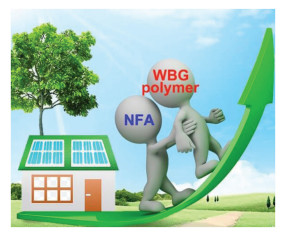
    This review summarized the recent progress of highly efficient wide bandgap (WBG) donor polymers and their applications in non-fullerene polymer solar cells (NF-PSCs). A brief introduction of the background of WBG donor polymer developments was given. Then the research progress of the reported WBG donor polymers by classification of D-type and D-A type molecular backbones was reviewed. The resulting structure-property correlations of the WBG donor polymers were also discussed to highlight the importance of chemical modifications, which have promoted the great progress of NF-PSC field. Finally, an outlook for future innovations of WBG donor polymers and their NF-PSCs was provided.
  • Dongdong Wang, Yuqin Zou, Li Tao, Yiqiong Zhang, Zhijuan Liu, Shiqian Du, Shuangquan Zang, Shuangyin Wang
    中国化学快报. 2019, 30(04): 826-838. https://doi.org/10.1016/j.cclet.2019.03.051
    摘要 ( ) PDF全文 ( ) HTML 可视化 收藏
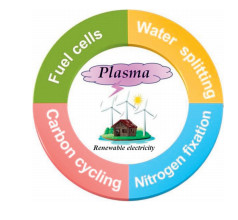
    Electrochemical reactions were widely used in energy storage and conversion devices. The development of low-cost, highly efficient and stable electrocatalyst is essential to a large-scale application of energy storage and conversion devices. Recently, emerging plasma technology has been employed as one of the practical ways to synthesize and modify electrocatalysts due to its unique property. In this review, we summarized the latest applications of plasma in energy storage and conversion, including using it as the preparation and modification technology of the various electrocatalysts and the usage of it as the synthesis technology directly. Firstly, we presented the definition and types of plasma reactors and their respective characteristics. Then, these applications of plasma technology in many essential electrode reactions including carbon dioxide reduction reaction (CO2RR), nitrogen fixation, oxygen reduction reaction (ORR), oxygen evolution reaction (OER) and hydrogen evolution reaction (HER) were introduced. Finally, the challenges and outlook of plasma technology in energy storage and conversion were summarized, and the solutions and prospected its development in the future were present. Through reviewing the related aspects, readers can have a deeper understanding of the application prospects of plasma in electrocatalysis.
  • Xiao Luo, Jin Li, Jie Zhao, Luyan Gu, Xuhong Qian, Youjun Yang
    中国化学快报. 2019, 30(04): 839-846. https://doi.org/10.1016/j.cclet.2019.03.012
    摘要 ( ) PDF全文 ( ) HTML 可视化 收藏
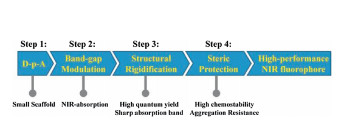
    Near infrared (NIR) absorbing and emitting dyes are sought after for their potentials in bioimaging and theranostic applications. They are typically not as stable as dyes absorbing and emitting in the visible spectral range, as the result of a reduced HOMO-LUMO band-gap. Also, they are not as efficient fluorescence emitters due to accelerated internal conversion kinetics. In addition, their large conjugative backbone render them high tendency to form aggregate and low aqueous solubility. In this tutorial, we have described a four-step approach for rational design of organic dyes with an overall high-performance to meet the rigorous requirements of biological applications. Also, some background regarding "NIR" is provided along with some recent breakthroughs of the field.
  • Shuaifei Wang, Hongwei Liao, Fangyuan Li, Daishun Ling
    中国化学快报. 2019, 30(04): 847-852. https://doi.org/10.1016/j.cclet.2019.03.025
    摘要 ( ) PDF全文 ( ) HTML 可视化 收藏
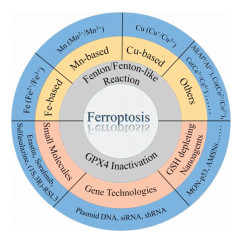
    Ferroptosis, as a new type of cell death caused by lipid peroxidation, has attracted much attention since it was first identified in 2012. A lot of progress has been made in unraveling its mechanisms and therapeutic potential as a target for cancer therapy. Hitherto, there are mainly two strategies widely adopted for designing ferroptosis-inducing agents, which include increasing the intracellular reactive oxygen species (ROS) level by Fenton reaction, and inactivating the glutathione peroxidase 4 (GPX4). In this mini-review, we summarize the recent advances in ferroptosis-based anticancer treatments with a highlight on nanomaterials, and discuss the current challenges faced by those agents from the perspective of in vivo applications. Moreover, by generalizing ferroptosis induced by excess iron ions to cell death caused by the polyvalent metal-mediated oxidative burden, we introduce a new paradigm of cancer treatment by exploiting various polyvalent metals to disrupt the vulnerable redox balance in cancer cells, which may greatly diversify our arsenal to combat cancer.
  • Chencheng Dong, Jiahui Ji, Zhe Yang, Yifei Xiao, Mingyang Xing, Jinlong Zhang
    中国化学快报. 2019, 30(04): 853-862. https://doi.org/10.1016/j.cclet.2019.03.020
    摘要 ( ) PDF全文 ( ) HTML 可视化 收藏
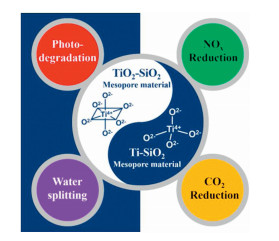
    With the development of the human economy and green chemistry, people pay much more attention to environmental safety. Correspondingly, mesoporous TiO2 and its correlated photocatalysts are able to help people seek for better life. In this review, first of all, we briefly introduce the preparations and applications of mesoporous TiO2-SiO2 materials, which exhibit excellent performance in pollutants decomposition and H2 evolution in photocatalysis. Then, we review the mesoporous composites of TiSiO2 materials, which are ideal materials used in the photoreduction of air pollutants such as CO2, NO and NO2. It is powerfully evident from the literature surveys that these TiO2 based mesoporous photocatalysts possess a large potential in environment and energy development.
  • 通信
  • Lijun Song, Haijuan Zhang, Tianpei Cai, Jia Chen, Zhan Li, Ming Guan, Hongdeng Qiu
    中国化学快报. 2019, 30(04): 863-866. https://doi.org/10.1016/j.cclet.2018.10.040
    摘要 ( ) PDF全文 ( ) HTML 可视化 收藏
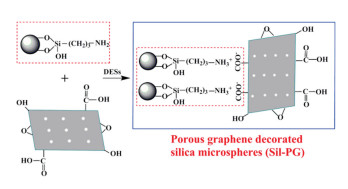
    Porous graphene (PG) has potential applications in numerous fields because of the existence of nanopores in the plane. In this study, porous graphene decorated silica microspheres (Sil-PG) were successfully fabricated by assembling PG onto the silica particles surface in deep eutectic solvents (DESs). Experimental results demonstrate that this new stationary phase can facilitate the separation of six sulfonamides compounds in hydrophilic chromatographic conditions. The successful synthesis of the SilPG stationary phase provides a basis for the application of porous graphene-modified materials as the stationary phase for liquid chromatography, and offers the possibility to broaden the application of PG in the field of chromatography.
  • Na Zhu, Zhihua Lian, Yan Zhang, Wenpo Shan, Hong He
    中国化学快报. 2019, 30(04): 867-870. https://doi.org/10.1016/j.cclet.2019.03.011
    摘要 ( ) PDF全文 ( ) HTML 可视化 收藏
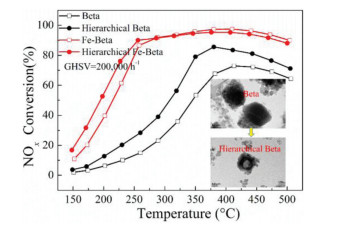
    Hierarchical Fe-Beta obtained by hydrothermal synthesis exhibited higher low-temperature NH3-SCR activity than conventional Fe-Beta. In order to identify the main factors leading to the difference in catalytic activity, we investigated the pore structure, acidity and Fe sites of the hierarchical Fe-Beta and conventional Fe-Beta. The enhanced activity of hierarchical Fe-Beta was mainly due to the increase of the quantity of active Fe species. NH3-TPD and DRIFTS results of NH3 adsorption clearly verified that hierarchical Fe-Beta had more Lewis acid sites, which is beneficial to the adsorption and activation of NH3. The H2-TPR, UV-vis DRS, and EPR results confirmed that the hierarchical Fe-Beta had more isolated active Fe species, which may be associated with that the hierarchical structure introduced more structural defects as ion-exchange sites. Based on the analysis of kinetics experiments and the abovementioned characterizations, it can be concluded that the improvement of NH3-SCR activity was not due to an intrinsic effect of the specific structural characteristics, but was related to more Fe active sites and better dispersion of Fe species in the hierarchical Fe-Beta.
  • Mohammad Chand Ali, Ruirui Liu, Jia Chen, Tianpei Cai, Haijuan Zhang, Zhan Li, Honglin Zhai, Hongdeng Qiu
    中国化学快报. 2019, 30(04): 871-874. https://doi.org/10.1016/j.cclet.2019.02.025
    摘要 ( ) PDF全文 ( ) HTML 可视化 收藏
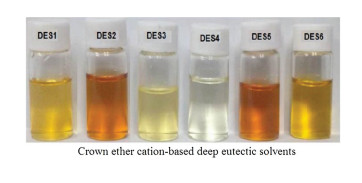
    Here we firstly report a series of new deep eutectic solvents (DESs) induced by small amounts of crown ether complex and mainly formed by polyethylene glycol. These DESs not only presented the ultra-deep extraction of non-basic N-compounds from fuel oils, but also opened up the possibility of other new applications in chemistry and materials science.
  • Maoxi Ran, Peng Chen, Jiarui Li, Wen Cui, Jieyuan Li, Ye He, Jianping Sheng, Yanjuan Sun, Fan Dong
    中国化学快报. 2019, 30(04): 875-880. https://doi.org/10.1016/j.cclet.2019.03.016
    摘要 ( ) PDF全文 ( ) HTML 可视化 收藏
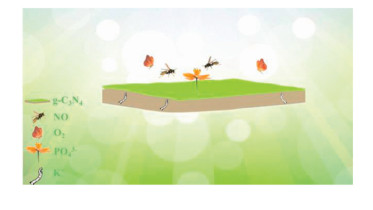
    Photocatalytic technology has been widely adopted to address the issue of air pollution. The separation of photogenerated carriers and the activation of reactants on catalyst surface are the main factors that affect the photocatalytic efficiency. Here, the phosphate/potassium (PO4/K) cofunctionalized carbon nitride (labeled as PO4-CN-K) was synthesized via a one-step in situ copyrolysis of thiourea and potassium phosphate. The unique electronic structure of PO4-CN-K could significantly improve the performance of photocatalytic NO purification. The enhanced activity of PO4-CN-K can be attributed to the promoted activation capacity for O2, NO and H2O on the catalyst surface, the decreased of carriers recombination, benefiting from the co-functionalization of phosphate groups on the surface of CN and the construction of K channels between CN layers. The photocatalytic NO conversion pathway is disclosed through time-dependent in situ FT-IR, indicating that PO4-CN-K can efficiently convert NO molecules into harmless nitrate via the NO→NO+→nitrate/nitrite routes. The research provides a novel strategy to impel the development of photocatalytic technology for efficient air purification.
  • Lin-Ming Bai, Huan Yao, Liu-Pan Yang, Wen Zhang, Wei Jiang
    中国化学快报. 2019, 30(04): 881-884. https://doi.org/10.1016/j.cclet.2018.11.033
    摘要 ( ) PDF全文 ( ) HTML 可视化 收藏
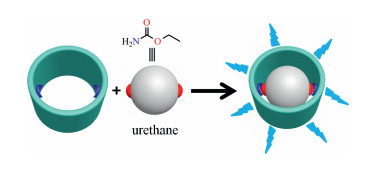
    Molecular recognition and fluorescent sensing of Group 2A carcinogen-urethane was achieved in aqueous solution. The molecular sensors are the endo-functionalized molecular tubes with amide protons in the hydrophobic cavity. 1H NMR, fluorescence, and ITC titrations and single crystal X-ray crystallography reveal the binding stoichiometry, the binding affinities, and the driving forces. The binding is mainly driven by the hydrophobic effect through releasing the "high-energy" cavity water with minor contribution from hydrogen bonding. In addition, the syn-configured molecular tube was found to be a good fluorescent sensor for urethane in water (concentration range:6.2-60 μmol/L) and in beer (concentration range:22.9-60 μmol/L).
  • Yan Wang, Xinxin Wang, Jing Zhang, Li Wang, Chunqing Ou, Yaqian Shu, Qinjie Wu, Guolin Ma, Changyang Gong
    中国化学快报. 2019, 30(04): 885-888. https://doi.org/10.1016/j.cclet.2019.02.018
    摘要 ( ) PDF全文 ( ) HTML 可视化 收藏
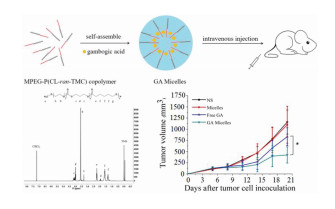
    Gambogic acid(GA) is a natural product with potent anticancer activity in vitro.However,poorwatersolubility and systematic toxicity limit the further clinical application of GA. Micellization of hydrophobic molecule could effectively ameliorate aqueous dispersity of GA and induce better blood retention and tumor accumulation, hence lead to improved stability and therapeutic effect of GA. In this study, monomethyl poly(ethylene glycol)-poly(ε-caprolactone)-poly(trimethylene carbonate) (MPEG-P(CL-ran-TMC)) was used to encapsulate GA by a single-step solid dispersion method to form a GA encapsulated MPEG-P(CL-ran-TMC) micelles (GA micelles). GA micelles were characterized with a small particle size (44 ±1 nm), high drug loading content(26.28% ± 0.12%) and high-effici encyencapsulation (87.59% ± 0.41%). Compared with free GA, GA micelles showed better dispersion in water, prolonged release behavior in vitro, and enhanced tumor cellular uptake. GA micelles could also effectively induce apoptosis in AsPC-1 cells. Compared with free GA, GA micelles exhibited superior antitumor efficacy and better apoptosis induced effect in a subcutaneous xenograft mouse model of AsPC-1 cells. In conclusion, GA micelles which showed high-efficiency anti-tumor effect in vitro and in vivo may serve as a candidate for pancreatic cancer therapy.
  • Lei Zhu, Zheyuan Wang, Song Liu, Tao Zhang, Zhen Yang, Ruopeng Bai, Yu Lan
    中国化学快报. 2019, 30(04): 889-894. https://doi.org/10.1016/j.cclet.2019.03.024
    摘要 ( ) PDF全文 ( ) HTML 可视化 收藏
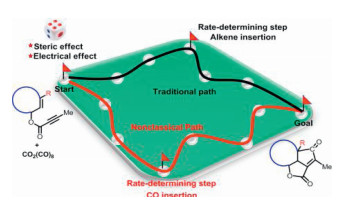
    The Co2(CO)8-mediated intramolecular Pauson-Khand reaction is an efficient approach for constructing polycyclic skeletons. Recently, some of us reported a series of this type reactions involving stericallyhindered enynes for synthesizing natural products with reasonable reaction rates and yields. However, the reason for the high reactivity of the reaction remains unclear. We employed density functional theory calculations to clarify the mechanism and reactivity for this reaction. In contrast with chain olefin reactants, CO insertion is considered to be the rate-determining step for the overall Pauson-Khand reaction of cyclooctene derivatives. The reduced activation free energy for the alkene insertion step is attributed to:i) the electron-withdrawing group in close proximity to the C-C triple bond enhancing the reactivity of the alkyne moiety; ii) lower steric hindrance during alkene insertion when using the cyclooctene derivative. The effect of the substituent on the Co2(CO)8-mediated intramolecular PausonKhand reaction was then investigated. Internal alkenes exhibit lower reactivity than terminal alkenes because of the steric hindrance introduced by the substituted group. The cis internal alkene exhibits higher reactivity than the trans internal alkene. An ester group in close proximity to the C -C triple bond significantly enhances the reactivity.
  • Kai Sheng, Haifeng Lu, Anbang Sun, Yanmin Wang, Yuantao Liu, Feng Chen, Wenchao Bian, Yang Li, Rui Kuang, Di Sun
    中国化学快报. 2019, 30(04): 895-898. https://doi.org/10.1016/j.cclet.2019.01.027
    摘要 ( ) PDF全文 ( ) HTML 可视化 收藏
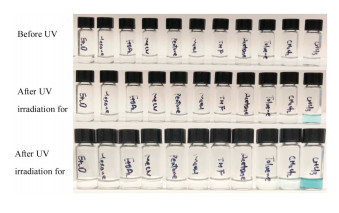
    A phenoxazine based molecule termed SP has been synthesized and used as selective sensor for halogenated solvents. This molecule shows selective fast response towards halogenated solvent via naked-eye detectable chromism. SP shows colorless solution when dissolved in most solvents initially but changes to blue color in chloroform under UV irradiation (λ=365 nm) within 5 s. The luminescence spectra of SP in halogenated solvent show a large bathochromic shift (> 100 nm) with 60-fold enhanced emission intensity compared to that in halogen-free solvents. It is also worth mentioning that the photoinduced reaction between SP molecule and the halogenated solvents occurred. Based on the detailed NMR, fluorescence and mass spectra, the possible radical reaction mechanism was proposed. Different from the majority of solvatochromic sensors that based on the polarity of solvents for detection of halogenated solvents, our sensor system worked in a special fashion.
  • Wenting Xue, Zhenghan Di, Ya Zhao, Aiping Zhang, Lele Li
    中国化学快报. 2019, 30(04): 899-902. https://doi.org/10.1016/j.cclet.2019.03.022
    摘要 ( ) PDF全文 ( ) HTML 可视化 收藏
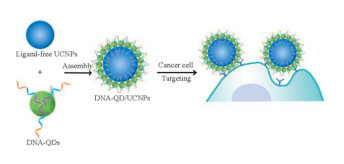
    superstructures has enormous potential in material sciences and engineering. Despite the potential, controlled assembly of different kinds of NPs into spatially addressable hybrid configurations still remains a formidable challenge. Herein, we report a simple and universal strategy for DNA-mediated assembly of CdTe quantum dots (QDs) and lanthanide-doped upconversion nanoparticles (UCNPs). Such DNA-QD/UCNPs heterostructures not only maintains both fluorescent properties of QDs and upconversion luminescence behaviors of UCNPs, but also offers a polyvalent DNA surface, allowing for targeted dual-modality imaging of cancer cells using an aptamer. The hetero-assembly mediated by the DNA inorganic interfacial interaction may provide a scalable way to fabricate hybrid superstructures of both theoretical and practical interests.
  • Ping He, Hantang Zhang, Chunhui Xu, Yonggang Zhen, Huanli Dong, Wenping Hu
    中国化学快报. 2019, 30(04): 903-905. https://doi.org/10.1016/j.cclet.2019.02.012
    摘要 ( ) PDF全文 ( ) HTML 可视化 收藏
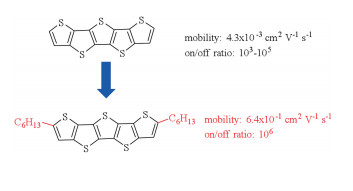
    A novel semiconductor, dihexyl-substituted pentathienoacene (C6-PTA) is designed and synthesized in five steps with the total yield up to 25.2%. The introduction of hexyl chains endow the thin film semiconductor with about threefold increase in carrier mobility and one to three orders of magnitude improvement in current on/off ratio. Furthermore, single crystal FETs based on C6-PTA exhibited mobility up to 0.64 cm2 V-1 s-1, which is over 50 times higher than the thin film counterpart. The results indicate clearly that C6-PTA is a promising organic semiconductor with high stability.
  • Yanan Shi, Chen Yang, Huan Li, Lixuan Liu, Ruimin Zhou, Wenjun Zou, Zhen Wang, Qiong Wu, Dan Deng, Jianqi Zhang, Kun Lu, Zhixiang Wei
    中国化学快报. 2019, 30(04): 906-910. https://doi.org/10.1016/j.cclet.2019.01.031
    摘要 ( ) PDF全文 ( ) HTML 可视化 收藏
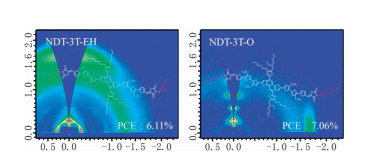
    For bulk-heterojunction organic solar cells, the morphology of the blend films highly influence the exciton dissociation and charge transport process. In this work, two novel A-π-D-π-A (A represents the acceptor unit and D represents the donor unit) backbone structure small molecular electron donors based on two dimensional conjugated naphtho[1,2-b:5,6-b']dithiophene (NDT) with different end alkyl chains, named as NDT-3T-EH and NDT-3T-O, have been designed and synthesized. The photovoltaic property of NDT-3T-O-based device is better than that of the NDT-3T-EH and the best efficiency reaches 7.06%, and the photovoltaic property of NDT-3T-EH reaches 6.11%. The difference in the performance should be attributed to the different morphology and phase separation resulted from the different crystallinity and aggregation ability of two donors. The results demonstrate that the optimized end alkyl chains can be used to design A-π-D-π-A backbone structure small molecular electron donors for smallmolecule organic solar cells.
  • Chang-Xin Zhao, Bo-Quan Li, Jia-Ning Liu, Jia-Qi Huang, Qiang Zhang
    中国化学快报. 2019, 30(04): 911-914. https://doi.org/10.1016/j.cclet.2019.03.026
    摘要 ( ) PDF全文 ( ) HTML 可视化 收藏
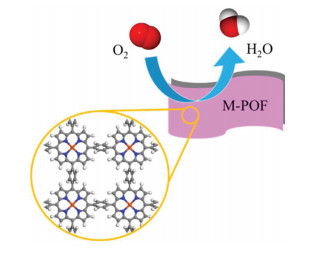
    Oxygen reduction reaction (ORR) constitutes the core process of many clean and sustainable energy systems including fuel cells and metal-air batteries. Developing high-performance and cost-efficiency ORR electrocatalysts is of great significance to the practical applications of the above-mentioned energy storage devices. Transition metal coordinated porphyrin electrocatalysts are highly considered as a promising substitution of noble-metal-based electrocatalyst because of their high ORR reactivity, where the ORR performances of the porphyrin-based electrocatalysts are highly dependent on the transition metal center. Herein a series of framework porphyrin electrocatalysts coordinated with different transition metal centers (M-POF, where M is Mn, Fe, Co, Ni, Cu, or Zn) was designed, synthesized, and evaluated in regards of electrocatalytic ORR performances. Among all, the Co-POF electrocatalyst exhibits the best ORR performances with the highest half-wave potential of 0.81 V vs. RHE and the lowest Tafel slope of 53 mV/dec. This contribution affords an optimized high-performance ORR electrocatalyst and provides instructions for further rational design of porphyrin-based ORR electrocatalysts for sustainable energy applications.
  • Zifang Zhao, Xiaojun Wang, Minjie Yao, Lili Liu, Zhiqiang Niu, Jun Chen
    中国化学快报. 2019, 30(04): 915-918. https://doi.org/10.1016/j.cclet.2019.03.003
    摘要 ( ) PDF全文 ( ) HTML 可视化 收藏
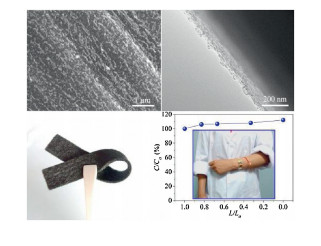
    The recent development of portable electronics promotes the growing demand for flexible energy storage devices. Supercapacitors are promising candidates due to their high power density. Therefore, flexible supercapacitors are desired. Here, the porous activated carbon felts (ACFs) with exfoliated graphene nanosheets and rich oxygen-containing groups were fabricated by a facile thermal treatment strategy. Such ACFs can act as the flexible electrodes of all-solid-state supercapacitors directly without the use of binder and conductive materials. They exhibit excellent electrochemical properties, such as high specific areal capacitance, superior rate ability and long-term cycling stability. Moreover, the fabricated flexible all-solid-state supercapacitors based on ACFs deliver stable electrochemical performance under different bending states.
  • Xin-Rui Wang, Hui-Min Cheng, Xue-Wei Gao, Wei Zhou, Shu-Jing Li, Xue-Li Cao, Dongpeng Yan
    中国化学快报. 2019, 30(04): 919-923. https://doi.org/10.1016/j.cclet.2019.03.050
    摘要 ( ) PDF全文 ( ) HTML 可视化 收藏
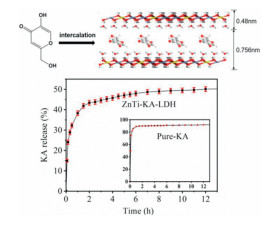
    A melanin synthesis inhibitor and bacteriostatic agent, kojic acid (KA) has been intercalated into Zn-Ti layered double hydroxide (LDH) by an anion-exchange reaction. The structure and the thermal stability of the samples were characterized by XRD, FT-IR, TG-DTA and SEM. The study of KA release from ZnTi-KALDH in phosphate buffered solution (pH 5) implies that ZnTi-KA-LDH is a better controlled release system than pure KA. Meanwhile, the mechanisms of slow release were assessed by using four commonly kinetic models. The antimicrobial activity of ZnTi-KA-LDH was tested against three kinds of bacteria. The inhibition of L-dopa oxidation was tested to verify its skin whitening effect. The studies suggest that the kojic acid intercalated LDHs has the potential application as a safely functional composite in cosmetic.
  • Yaqi Chen, Jingjing Liang, Tao Li, Ping Lin, Yibing Zhao, Chuanliu Wu
    中国化学快报. 2019, 30(04): 924-928. https://doi.org/10.1016/j.cclet.2019.02.013
    摘要 ( ) PDF全文 ( ) HTML 可视化 收藏
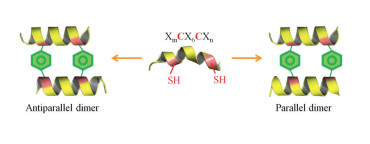
    Constrained peptide scaffolds that are tolerant to extensive sequence manipulation and amenable to bioactive peptide design are of great value to the development of novel protein binders and peptide therapeutics. In this work, we reported strategies for the design and synthesis of a kind of novel interchain doubly-bridged α-helical peptides, involving mutual stabilization of two peptide α-helices linked by two interchain bisthioether crosslinkers. By taking a MDM2-binding peptide with an α-helical tendency as a model, we demonstrated that α-helical dimers with significantly improved structural and proteolytic stability and nanomolar binding affinity to the target protein can be obtained. By modulating the surface charges on the dimeric peptides, we also obtained a dimeric peptide with enhanced cellpenetrating capability, which can efficiently penetrate into cancer cells and inhibit the intracellular MDM2-p53 interactions to promote cell apoptosis. Considering that many proteins take a surface α-helical segment as the binding motif to mediate their interactions with other proteins, we believe that our interchain doubly-bridged α-helical peptides would provide a promising scaffold for the development of novel high-affinity protein binders.
  • Xiaodan Su, Jun Tao, Qing Wang, Peng Xu, Wei Luo, Meng Dang, Jiang Wu, Zhaogang Teng
    中国化学快报. 2019, 30(04): 929-932. https://doi.org/10.1016/j.cclet.2019.02.014
    摘要 ( ) PDF全文 ( ) HTML 可视化 收藏
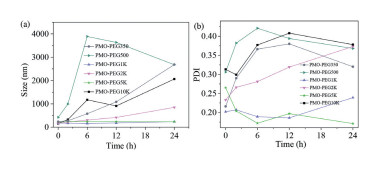
    The stability of periodic mesoporous organosilica (PMO) nanoparticles in physiological solutions greatly affects their potential biomedical applications. Herein, thioether-bridged PMO nanospheres with a diameter of 61 nm are synthesized. Then, the thioether-bridged PMO nanospheres are modified with different molecular weighted polyethylene glycol (PEG) via click reaction for the first time. FI-IR and thermogravimetric analysis confirm the successful modification of PEG on the PMO. The influence of PEG molecular weight on the dispersity and stability of the PMO-PEG in phosphate buffer (PBS) and Dulbecco's modified Eagle's medium (DMEM) is studied. The results show that the PEG coating increases the stability and dispersity of PMO in the biological solutions. The PMO-PEG1K, PMO-PEG2K, and PMOPEG5K have better stability in PBS solution. The PMO-PEG2K shows best stability and dispersity in DMEM. Over all, this work provides important method and knowledge to guide the modification of PMO for biomedical applications
  • Zihan He, Wenbo Li, Gan Chen, Yongming Zhang, Wang-Zhang Yuan
    中国化学快报. 2019, 30(04): 933-936. https://doi.org/10.1016/j.cclet.2019.03.015
    摘要 ( ) PDF全文 ( ) HTML 可视化 收藏
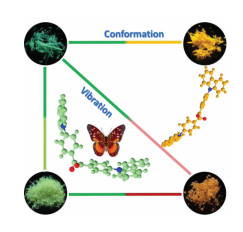
    Polymorphism has been frequently used in tuning the singlet emissions of pure organic dyes. The modulation of triplet-involved emissions, particularly room temperature phosphorescence (RTP), however, is scarcely reported. Herein, polymorphism is reported to tune the triplet-involved emissions of 2CZBZL, a newly designed pure organic luminogen consisting of twisted benzil and two planar carbazole moieties. Other than the conventional modulation through changing molecular conformation and packing, vibration can also finely tune the triplet-involved emissions. Besides prompt fluorescence (PF), polymorph B with relatively extended conformation emits thermally activated delayed fluorescence (TADF), whereas the others (A, C-E) with similarly more twisted conformations generate predominant RTP or simultaneous DF and RTP. These results demonstrate the fascinating chance to regulate the tripletinvolved emissions through controlling conformation and vibration.