
本期目录

2018年, 第29卷, 第02期 刊出日期:2018-02-22
  

  • 全选
    |
    综述
  • Jialiang Xu, Chengfen Xing, Xian-He Bu
    中国化学快报. 2018, 29(02): 217-218. https://doi.org/10.1016/j.cclet.2018.01.009
    摘要 ( ) PDF全文 ( ) HTML 可视化 收藏
  • 评论
  • Xianglang Sun, Dongbing Zhao, Zhong'an Li
    中国化学快报. 2018, 29(02): 219-231. https://doi.org/10.1016/j.cclet.2017.09.038
    摘要 ( ) PDF全文 ( ) HTML 可视化 收藏
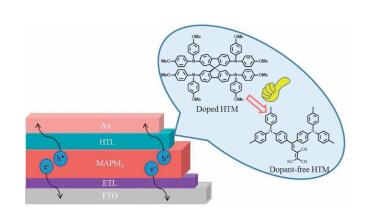
    Continuous success has been achieved for solution-processed inorganic-organic hybrid perovskite solar cells (PVSCs) in the past several years, in which organic charge transporting materials play an important role. At present, most of the commonly used hole-transporting materials (HTMs) such as spiro-OMeTAD derivatives for PVSCs require additional chemical doping process to ensure sufficient conductivity and shift the Fermi level towards the HOMO level for efficient hole transport and collection. However, this doping process not only increases the complexity and cost of device fabrication, but also decreases the device stability. Thus development of efficient dopant-free HTMs for PVSCs is highly desirable and remains as a major challenge in this field. In this review, we will summarize the recent advances in the molecular design of dopant-free HTMs for PVSCs.
  • Mi Tang, Hongyang Li, Erjing Wang, Chengliang Wang
    中国化学快报. 2018, 29(02): 232-244. https://doi.org/10.1016/j.cclet.2017.09.005
    摘要 ( ) PDF全文 ( ) HTML 可视化 收藏
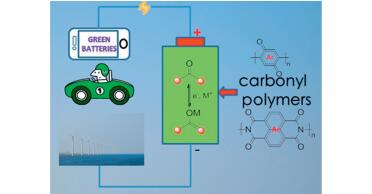
    Benefiting from the diversity and subjective design feasibility of molecular structure, flexibility, lightweight, molecular level controllability, resource renewability and relatively low cost, polymeric electrode materials are promising candidates for the next generation of sustainable energy resources and have attracted extensive attention for the foreseeable large scale applications. The conductive polymers have been utilized as electrode materials in the pioneer reports, which, however, have the disadvantages of low stability, low reversibility and slope voltage due to the delocalization of charges in the whole conjugated systems. The discovery of carbonyl materials aroused the interest of organic and polymeric materials for batteries again. This review presents the recent progress in carbonyl polymeric electrode materials for lithium-ion batteries, sodium-ion batteries and magnesium-ion batteries. This comprehensive review is expected to be helpful forarousing more interest of organic materials for metal-ion batteries and designing novel battery materials with high performance.
  • Bao-Hua Di, Yu-Lan Chen
    中国化学快报. 2018, 29(02): 245-251. https://doi.org/10.1016/j.cclet.2017.08.043
    摘要 ( ) PDF全文 ( ) HTML 可视化 收藏
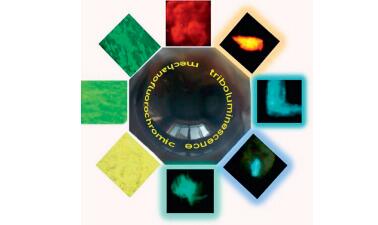
    Mechanoluminescence (ML) refers to the light emission from various organic and inorganic materials upon mechanical stimulus. As a new class of smart materials, mechanoluminescent materials are widely applicable for fluorescence switches, mechanosensors, security papers, optoelectronic devices and data storage etc. In the past few years, systematic investigations have been carried out, resulting in the production of a variety of mechanoluminescent materials. In this review, recent progress in pure organic mechanoluminescent materials is summarized, including mechanofluorescent and triboluminescent effects from conjugated small molecules.
  • Ji Yang, Yanbing Guo
    中国化学快报. 2018, 29(02): 252-260. https://doi.org/10.1016/j.cclet.2017.09.013
    摘要 ( ) PDF全文 ( ) HTML 可视化 收藏
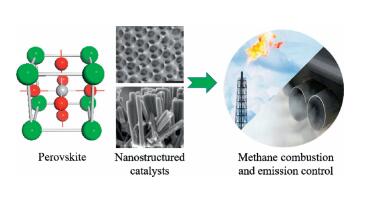
    Heterogeneous catalytic combustion provides a feasible technique for high efficient methane utilization. Perovskites ABO3-type materials have received renewed attention as a potential alternative for noble metals supported catalysts in catalytic methane combustion due to excellent hydrothermal stability and sulfur resistance. Recently, the emergence of nanostructured perovskite oxides (such as threedimensional ordered nanostructure, nano-array structure) with outstanding catalytic activity has further driven methane catalytic combustion research into spotlight. In this review, we summarize the recent development of nanostructured perovskite oxide catalysts for methane combustion, and shed some light on the rational design of high efficient nanostructured perovskite catalysts via lattice oxygen activation, lattice oxygen mobility and materials morphology engineering. The emergent issues needed to be addressed on perovskite catalysts were also proposed.
  • Xiaonan Kan, Hui Liu, Qingyan Pan, Zhibo Li, Yingjie Zhao
    中国化学快报. 2018, 29(02): 261-266. https://doi.org/10.1016/j.cclet.2017.08.042
    摘要 ( ) PDF全文 ( ) HTML 可视化 收藏
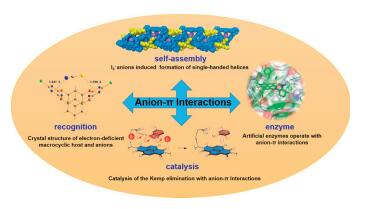
    Anion-π interactions as a new member of supramolecular weak interactions are still in the young stage, but they already attract considerable attentions. Now the concerns are shifting from recognition to construction of functional systems. In this review, the anion-π functional systems especially anion-π catalysis and self-assembly were highlighted and summarized together with several solid and recent examples of host-guest recognition. These applications suggest that the great potential of these new interactions.
  • 通信
  • Hao-Yan Yin, Juan Tang, Jun-Long Zhang
    中国化学快报. 2018, 29(02): 267-270. https://doi.org/10.1016/j.cclet.2017.10.007
    摘要 ( ) PDF全文 ( ) HTML 可视化 收藏
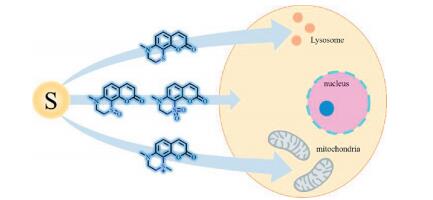
    Targeted-delivery is of great importance to molecular probes and drugs for cell biology study. Herein we reported 11 sulfur-containing coumarins as cell imaging probes. Different sulfur speciation of the 4 representative coumarins SC1-SC4 renders them significantly different subcellular localizations and cellular uptake pathways:SC1 containing thioether group located in lysosomes, while sulfoxide and sulfone compounds SC2 and SC3 distributed in the whole cell. Furthermore, the cationic sulfonium containing compound SC4 was internalized by clathrin-mediated endocytosis and localized at mitochondria. By analyzing the molecular parameters of all 11 coumarins, we found that different sulfur speciation affected their lipophilicity and electrostatic surface potential. These two key factors play roles in altering biological behaviors of the coumarins. The results revealed the importance of sulfur speciation on the physicochemical properties and thus subcellular localization of bioprobes. This is useful for designing new functional bioprobes.
  • Yuqing Liu, Marco Santella, Zhiqiang Fan, Xintai Wang, Xiangwei Jiang, Mogens Brøndsted Nielsen, Kasper Nørgaard, Bo W. Laursen, Jingbo Li, Zhongming Wei
    中国化学快报. 2018, 29(02): 271-275. https://doi.org/10.1016/j.cclet.2017.08.034
    摘要 ( ) PDF全文 ( ) HTML 可视化 收藏
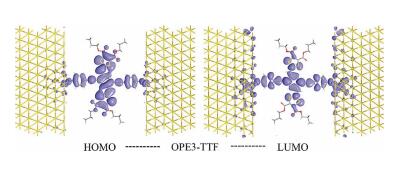
    Using diamine as anchoring group, the self-assembled monolayers (SAMs) based on oligo(phenyleneethynylene)s (OPEs) and cruciform OPEs with an extended tetrathiafulvalene (TTF) (OPE3 and OPE3-TTF) were successfully formed on the Au substrate. The uniformity and stability of SAMs were confirmed through cyclic voltammetry (CV) and electrochemical reductive desorption. The investigation of transport properties of SAMs was achieved by conducting-probe atomic force microscopy (CP-AFM) with both Au and Pt tips. The results indicated that the conductance of OPE3-TTF was 17 and 46 times that of OPE3 for Au and Pt tips, respectively. Theoretical calculations are qualitatively consistent with the experimental results, suggesting that the diamine as anchoring group has a great potential in molecular electronics.
  • Nan-Xiang Zhang, Peng Lin, Jing-Jing Li, Jia-Hui Liu, Bao Zhang, Jian Song
    中国化学快报. 2018, 29(02): 276-280. https://doi.org/10.1016/j.cclet.2017.06.005
    摘要 ( ) PDF全文 ( ) HTML 可视化 收藏
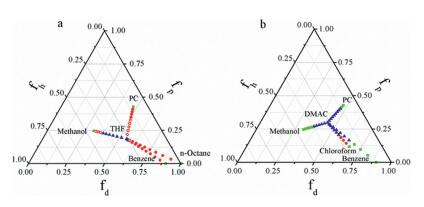
    The gelation properties of polyol acetal derivatives including 2,4-(3,4-dichlorobenzylidene)-D-sorbitol (DCBS), 1,3:2,4-di(3,4-dichlorobenzylidene)-D-sorbitol (DDCBS) and 1,3:2,5:4,6-tris(3,4-dichlorobenzylidene)-D-mannitol (TDCBM) in 35 single solvents and 39 binary solvent mixtures have been studied. FTIR and XRD results suggest that the self-assembly patterns of the gelator will not change in either the single solvent component or the corresponding solvent mixtures, but the critical gelation concentration (CGC) will be influenced. The results of SEM and rheology showed that the formation of true gels at saturated concentrations. Improving the heating temperature may promote the dissolving of gelators which are even insoluble at the temperature of the solvent boiling point and change the gelation behaviors. Flory-Huggins parameter (χ) was used to predict the gelation behavior of DCBS in the mixed solvents, and it is shown that the χ values for the mixed solvents that can be gelled by DCBS are either greater or smaller than those for the selected good solvents.
  • Paul H. J. Kouwer, Paula de Almeida, Onno ven den Boomen, Zaskia H. Eksteen-Akeroyd, Roel Hammink, Maarten Jaspers, Stijn Kragt, Mathijs F. J. Mabesoone, Roeland J. M. Nolte, Alan E. Rowan, Martin G. T. A. Rutten, Vincent A. A. Le Sage, Daniël C. Schoenmakers, Chengfen Xing, Jialiang Xu
    中国化学快报. 2018, 29(02): 281-284. https://doi.org/10.1016/j.cclet.2017.11.002
    摘要 ( ) PDF全文 ( ) HTML 可视化 收藏
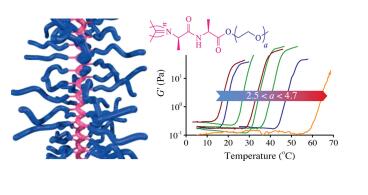
    Thermosensitive polymers show an entropy-driven transition from a well-solvated to a poorly solvated polymer chain, resulting in a more compact globular conformation. The transition at the lower critical solution temperature (LCST) is often sharp, which allows for a wide range of smart material applications. At the LCST, oligo(ethylene glycol)-substituted polyisocyanides (PICs) form soft hydrogels, composed of polymer bundles similar to biological gels, such as actin, fibrin and intermediate filaments. Here, we show that the LCST of PICs strongly depends linearly on the length of the ethylene glycol (EG) tails; every EG group increases the LCSTand thus the gelation temperature by nearly 30℃. Using a copolymerisation approach, we demonstrate that we can precisely tailor the gelation temperature between 10℃ and 60℃ and, consequently, tune the mechanical properties of the PIC gels.
  • Muhammad Adnan Asghar, Jing Zhang, Shiguo Han, Zhihua Sun, Chengmin Ji, Aurang Zeb, Junhua Luo
    中国化学快报. 2018, 29(02): 285-288. https://doi.org/10.1016/j.cclet.2017.10.016
    摘要 ( ) PDF全文 ( ) HTML 可视化 收藏
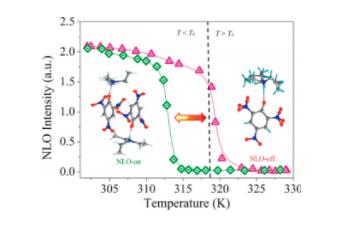
    To switch quadratic nonlinear optical (NLO) effects has become an exciting branch of the NLO material science. However, solid-state molecular crystals showing tunable and switchable NLO behaviors remain scarce. Here, we report an organic picrate-based binary molecular crystal, triethylammonium picrate (TEAP), which undergoes an above-room-temperature phase transition at Tc=319 K, being solidly confirmed by the thermal and dielectric measurements. A large thermal hysteresis of~7 K discloses the first-order feature for its phase transition. More strikingly, the quadratic NLO effects of TEAP can be switched in the vicinity of Tc. That is, TEAP exhibits NLO-active response of~1.5 times as large as that of KDP below Tc (i.e., NLO-on state), while its NLO effects totally disappear above Tc (NLO-off state). Structure analyses disclose that the order-disorder transformations of triethylammonium cations and picrate anions collectively contribute to its phase transition, as well as switchable NLO behaviors. This work opens up a new pathway to the designing and assembling of stimuli-responsive materials.
  • Peng Gao, Hoi Nok Tsao, Joel Teuscher, Michael Grätzel
    中国化学快报. 2018, 29(02): 289-292. https://doi.org/10.1016/j.cclet.2017.09.056
    摘要 ( ) PDF全文 ( ) HTML 可视化 收藏
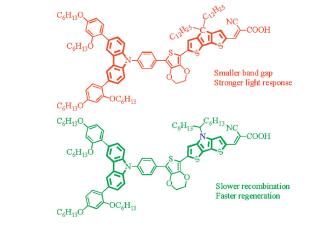
    Two D-π-A dyes based on fused acenes (carbazole, cyclopenta[2,1-b:3,4-b']dithiophene (CPDT) and dithieno[3,2-b:2',3'-d]pyrrole (DTP)) were synthesized, characterized using UV-vis absorption spectroscopy and electrochemistry, density function theory (DFT) calculations, and used as sensitizers in dyesensitized solar cells (DSSCs). The two sensitizers were compared thoroughly over physicochemical properties and DSSC performance. Although the DTP dye has slightly blue-shifted and weaker incident photon-to-collected electron (IPCE) conversion efficiency responses, the much increased open-circuit photovoltage values and improved charge-transfer kinetics relative to the CPDT systems result in superior power conversion efficiencies. This work reveals the potential of DTP as a bridge in the design of sensitizers.
  • Guixia Zhai, Changting Wei, Shulian Chen, Xiaomeng Yin, Jinchong Xiao, Wenming Su
    中国化学快报. 2018, 29(02): 293-296. https://doi.org/10.1016/j.cclet.2017.10.035
    摘要 ( ) PDF全文 ( ) HTML 可视化 收藏
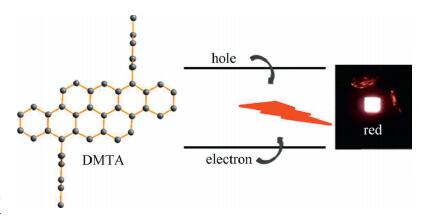
    A novel dimesityl-decorated bistetracene derivative 8,16-dimesityltetraceno[2,1,12,11-opqra]tetracene (DMTA) has been synthesized and characterized. Its single crystal analysis demonstrates that the parent bistetracene backbone is almost in a plane without any intermolecular π-stacking interaction. DMTA exhibited the low-energy absorption at 560/607 nm and emission spectra at 617/663 nm, respectively. The fabricated device based on DMTA doping into 2,6-bis(3-(9H-carbazol-9-yl)phenyl)pyridine (1%) as an emitter present a maximum brightness of 632 cd/m2 at 14.7 V with the CIE coordinate of (0.623, 0.349).
  • Xinyue Li, Sergey Semin, Leandro A. Estrada, Chunqing Yuan, Yulong Duan, Jonathan Cremers, Paul Tinnemans, Paul Kouwer, Alan E. Rowan, Theo Rasing, Jialiang Xu
    中国化学快报. 2018, 29(02): 297-300. https://doi.org/10.1016/j.cclet.2017.11.001
    摘要 ( ) PDF全文 ( ) HTML 可视化 收藏
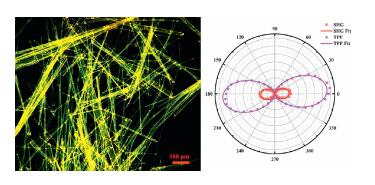
    Highly efficient nonlinear optical (NLO) materials with well-defined architectures in the wavelength and subwavelength length scales are of particular importance for next generation of integrated photonic circuits. Fluorenone analogues have been demonstrated to be promising candidates as building blocks for assembly of organic NLO materials thanks to their synergistic supramolecular interactions and brilliant optical properties. Here we have studied the polymorphs of a phenylethynyl functionalized fluorenone derivative, and their controlled self-assembly for microstructures with different morphologies. These polymorphic microcrystals exhibit very distinctive NLO properties, highly related to their supramolecular and electronic structures.
  • Liang Qiu, Linfei Zhao, Chengfen Xing, Yong Zhan
    中国化学快报. 2018, 29(02): 301-304. https://doi.org/10.1016/j.cclet.2017.09.048
    摘要 ( ) PDF全文 ( ) HTML 可视化 收藏
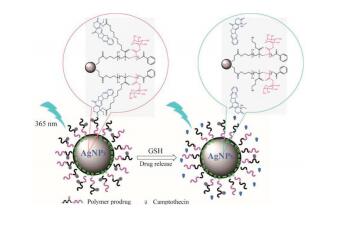
    A drug carrier system of the hybrid nanoparticles based on the redox-responsive P[(2-((2-((camptothecin)-oxy)ethyl)disulfanyl)ethylmethacrylate)-co-(2-(D-galactose)methylmethacryl-ate)] (P (MACPTS-co-MAGP)) and AgNPs is developed to deliver the anti-cancer drug camptothecin (CPT) and monitor the drug release by the recovery of the fluorescence of CPT. CPT is linked to the polymer sidechains via a redox-responsive disulfide bond, attaching on the surface of AgNPs and leading to the quenching of CPT fluorescence ("off" state) due to the nanoparticle surface energy transfer (NSET) effect. Upon the exposure to glutathione (GSH), the disulfide bond is cleaved to release CPT, resulting in the recovery of the fluorescence of CPT ("on" state). The system offers a platform to track the CPT delivery and releasing in real time
  • Limin Guo, Ziqi Zhang, Yanli Tang
    中国化学快报. 2018, 29(02): 305-308. https://doi.org/10.1016/j.cclet.2017.08.032
    摘要 ( ) PDF全文 ( ) HTML 可视化 收藏
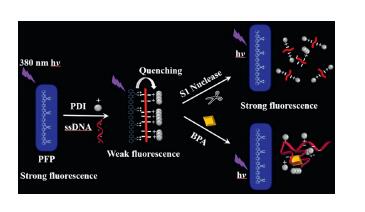
    Herein, we reported a new label-free and fluorescence turn-on biosensor based on cationic conjugated poly(9,9-bis(6'-N,N,N-trimethylammonium)hexyl)fluorine phenylene) (PFP) and perylene diimide derivatives (PDI). Cationic PFP, single-stranded nucleic acid and PDI were used as signal reporter, probe and fluorescence quencher, respectively. In the presence of nucleic acids, they form complexes with PFP and PDI through strong electrostatic attraction interactions, resulting in PDI aggregating on nucleic acids and fluorescence of PFP being quenched. When nucleic acids are hydrolyzed by enzymes or their conformation is changed via recognizing targets, the effective aggregation of PDI is disrupted and the quenching ability is decreased. Thus the fluorescence of PFP recovers significantly. By taking advantage of the mechanism, we construct a new biosensor for endonuclease and small molecules detection. Here, S1 nuclease and bisphenol A are used as model systems. The detection limit of the S1 nuclease and BPA are 1.0×10⁻⁶ U/mL and 0.05 ng/mL, respectively. Our method is sensitive, cost-effective and simple, and provides a new platform for bioanalysis.
  • Shan Zhang, Xiang Wang, Hui-Xiu Zhang, Zi-Hui Zhao, Xiu-Li Wang
    中国化学快报. 2018, 29(02): 309-312. https://doi.org/10.1016/j.cclet.2017.08.044
    摘要 ( ) PDF全文 ( ) HTML 可视化 收藏
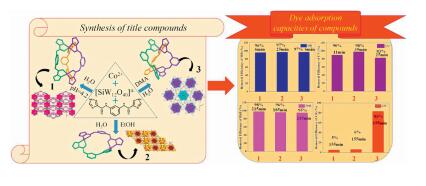
    By changing the solvents, three polyoxometalate (POM)-based supramolecular hybrids,[Co2L3] [SiW12O40]·17H2O (1),[Co2L2(H2O)4] [SiW12O40]·2EtOH·2H2O (2) and[Co2L3] [SiW12O40]·9DMA·6H2O (3), have been synthesized under hydrothermal or solvothermal conditions. All three hybrids show various supramolecular structures, which contain two kinds of different metal-organic motifs. A kind of metal-organic cationic cage[Co2L3]4+ is formed in the presence of H2O for 1, DMA/H2O for 3, and a metalorganic cationic circle[Co2L2]4+ is constructed in the presence of EtOH/H2O for 2. That is to say, the solvents show a key role in tuning the architectures of metal-organic fragments and the final POM-based supramolecular structures. The adsorption properties of 1-3 for different organic dyes have also been investigated.
  • Shuihong Li, Polly H. M. Leung, Xinya Xu, Chunhui Wu
    中国化学快报. 2018, 29(02): 313-316. https://doi.org/10.1016/j.cclet.2017.09.052
    摘要 ( ) PDF全文 ( ) HTML 可视化 收藏
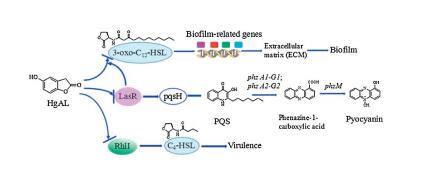
    Bacterial quorum sensing (QS) molecules are involved in the coordination of certain behaviors such as biofilm formation, virulence and antibiotic resistance. QS molecules (autoinducers) and their corresponding receptors have been recognized as important therapeutic targets for drug-resistant infections and biofilm-associated infections (BAI). This study assessed the multiple biological effects of homogentisic acid γ-lactone (HgAL), a furanone derivative. The anti-QS and anti-biofilm effects of HgAL against PAO1 strain were evaluated using CLSM, SEM, HPLC and other biochemical methods The results showed that HgAL could effectively inhibit the production of pyocyanin and extracellular matrix, as well as reduce the adherence ability and biofilm formation of Pseudomonas aeruginosa. Inhibition of virulence is attributed to the suppressive effect of HgAL on biosynthesis of 3-oxo-C12-HSL and C4-HSL (two kinds of QS signaling molecules in P. aeruginosa). Our results support HgAL as a potential agent for prevention of BAI in the healthcare settings.
  • Xixin Wang, Changyun Lu, Liyuan Gong, Hongli Hu, Xiaojing Yang, Jianling Zhao
    中国化学快报. 2018, 29(02): 317-320. https://doi.org/10.1016/j.cclet.2017.08.047
    摘要 ( ) PDF全文 ( ) HTML 可视化 收藏
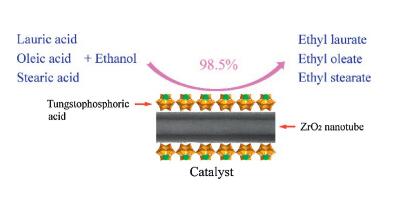
    Zirconia nanotube-supported H3PW12O40 (HPW) catalysts were obtained by loading HPW onto zirconia nanotube arrays which were prepared through anodization of zirconium foil in the mixture of formamide and glycerol (volume ratio=1:1) containing 1 wt% NH4F and 1 wt% H2O. The samples were characterized through scanning electron microscope, X-ray diffraction, infrared spectra and thermogravimetric analysis. Various factors affecting the catalytic activities have been investigated. The catalysts, prepared through pretreating the nanotube carrier at 400℃, followed by loading with 35 wt% HPW and calcining at 200℃, possess high catalytic activities in the synthesis of fatty acid ethyl ester. Under the optimal reaction conditions, the conversion percentages of lauric acid, oleic acid and stearic acid are all higher than 98.5%.
  • Jiahui Ma, Tianren Wang, Caixia Liu, Huanrong Li
    中国化学快报. 2018, 29(02): 321-324. https://doi.org/10.1016/j.cclet.2017.08.010
    摘要 ( ) PDF全文 ( ) HTML 可视化 收藏
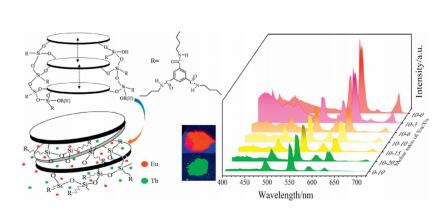
    In this work, we present novel trivalent lanthanide ions (Ln3+)-based luminescent hybrid materials, in which the organic ligands are covalently grafted on the hectorite templates and the Ln3+ ions can be well immobilized by the ligands through coordination bond. The hybrid materials exhibit tunable emission colors by varying the molar ratio of Eu3+ to Tb3+, and the one with Eu3+:Tb3+=1:1 exhibits excellent coordinate of (0.327, 0.328) located in the "white region" of the CIE 1931 chromaticity diagram (under 300 nm UV illumination). These properties make the hybrid composites suitable for fabricating optoelectronic devices such as full-color displays and white LED.
  • Changshi Yu, Yunhua Xu, Shijie Liang, Xudong Jiang, Guitao Feng, Cheng Li, Weiwei Li
    中国化学快报. 2018, 29(02): 325-327. https://doi.org/10.1016/j.cclet.2017.08.016
    摘要 ( ) PDF全文 ( ) HTML 可视化 收藏
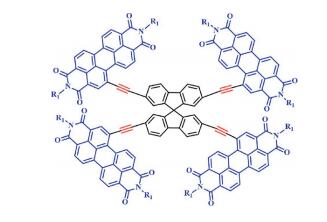
    In this work, star-shaped perylene bisimide (PBI) derivatives with spiro-aromatic cores linked with ethynyl units were developed as electron acceptors for non-fullerene organic solar cells. The ethynyl linkers were found to enhance the planarity of the conjugated backbone, resulting in high electron mobilities and near-infrared absorption. The ethynyl-linked PBI acceptors showed high power conversion efficiencies (PCEs) up to 4.27% due to the high short-circuit current density (Jsc) of 8.52 mA/cm2 and fill factor (FF) of 0.59, while the PBI acceptor without ethynyl units provided a low PCE of 3.57% in nonfullerene solar cells. The results demonstrate that ethynyl units can be applied into designing new PBI electron acceptors with improved charge transport properties and photovoltaic performance.
  • Mufei Yue, Yajie Wang, Lijuan Wang, Xiaohuan Lin, Kuo Li, Haiyan Zheng, Tao Yang
    中国化学快报. 2018, 29(02): 328-330. https://doi.org/10.1016/j.cclet.2017.08.030
    摘要 ( ) PDF全文 ( ) HTML 可视化 收藏
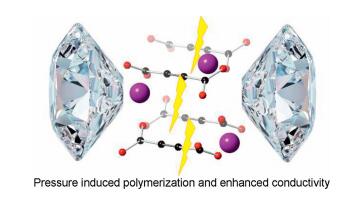
    Conductive organic polymers with carbonyl groups are considered as potential cathode materials of the Li+ battery. Driven by extremely high pressure, 2-butyndioic acid and its Li+ salt polymerize at around 4 and 10 GPa, respectively, which demonstrates that pressure-induced polymerization is a robust method for synthesizing substituted polyacetylene-like conductors.
  • Xiaoyu Song, Jing Zhao, Wandong Zhang, Long Chen
    中国化学快报. 2018, 29(02): 331-335. https://doi.org/10.1016/j.cclet.2017.09.015
    摘要 ( ) PDF全文 ( ) HTML 可视化 收藏
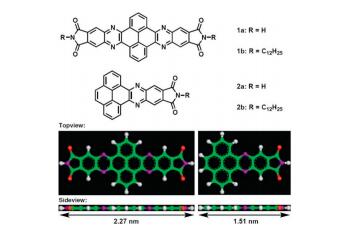
    Large π-conjugated pyrene-phenazine monoimide and bisimides were synthesized by imine condensation reaction. These imides form well ordered 1D nanotapes upon self-assembly in solution. Electrochemical and electric conductivity measurement reveal it can be served as an n-channel semiconductor with large charge carrier mobility up to 4.1 cm2 V-1 s-1. Both alkylated imides are highly luminescent, and can be quenched via protonization using trifluoroacetic acid, which could be served as potential colorimetric acid sensors.
  • Wen-He Wang, Qiang Gao, Ai-Lin Li, Yan-Yuan Jia, Shi-Yu Zhang, Jian-Hong Wang, Ying-Hui Zhang, Xian-He Bu
    中国化学快报. 2018, 29(02): 336-338. https://doi.org/10.1016/j.cclet.2017.08.033
    摘要 ( ) PDF全文 ( ) HTML 可视化 收藏
    A new coordination compound[Mg(L)(H2O)5·H2O] (NKU-109, H2L=5-(4H-1,2,4-triazol-4-yl)benzene-1,3-dicarboxylic acid) was solvothermally synthesized, featuring a supramolecular hydrogen-bonding network. A good proton conductivity of 5.87×10⁻⁴ S/cm was recorded at 70℃ and a relative humidity of 75% in alternating current (AC) impedance experiment, which sheds a new light on the design of proton conduction materials based on coordination compounds.
  • Zhuo Chen, Huanxiang Yuan, Haiyan Liang, Chichong Lu, Xiaolan Liu
    中国化学快报. 2018, 29(02): 339-341. https://doi.org/10.1016/j.cclet.2017.09.033
    摘要 ( ) PDF全文 ( ) HTML 可视化 收藏
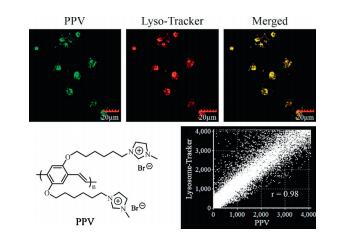
    The development of long-term imaging agents and subcellular imaging materials is of great importance in the research of cancer cell behaviors. In this work, a cationic poly(p-phenylenevinylene) derivative (PPV) is designed and synthesized to link quaternized N-methyl-imidazole groups as pendants which endow the polymer to bear positive charges. Absorption and fluorescence emission spectra of PPV display a large Stokes shift of 102 nm which is much larger than the commercial cell dyes. Positively charged polymer could adsorb onto the surface of cells via electrostatic interactions followed by cell endocytosis process to enter cells. Importantly, PPV barely has influence on the cell viability through cytotoxicity analysis. The colocalization data demonstrates that PPV and commercial lysosome-specific dye are highly colocalized in the same region, indicating that the green fluorescent PPV mainly distributes in the lysosomes. Moreover, the continuous imaging investigation shows that PPV could stay in cells for more than seven days while the commercial Lyso-Tracker would be extruded by cells after three days. PPV exhibits superior capabilities including strong fluorescence, large Stokes shift, good biocompatibility and high photostablity, which has great potential in the applications of cellular process monitoring.