本期目录

2017年, 第28卷, 第11期 刊出日期:2017-11-22
  

  • 全选
    |
    评论
  • Yingke Zhu, Pingkai Jiang, Zhicheng Zhang, Xingyi Huang
    中国化学快报. 2017, 28(11): 2027-2035. https://doi.org/10.1016/j.cclet.2017.08.053
    摘要 ( ) PDF全文 ( ) HTML 可视化 收藏
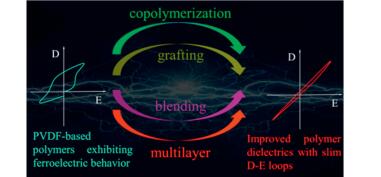
    Polymeric dielectrics have wide range of applications in the field of electrical energy storage because of their light weight and easy processing. However, the state-of-the-art polymer dielectrics, such as biaxially orientated polypropylene, could not meet the demand of minimization of electronic devices because of its low energy density. Recently, poly(vinylidene fluoride) (PVDF) based ferroelectric polymers have attracted considerable interests for energy storage applications because of their high permittivity and high breakdown strength. Unfortunately, the high dielectric loss and/or high remnant polarization of PVDF-based polymers seriously limits their practical applications for electrical energy storage. Since the discovery of relaxor ferroelectric behavior was firstly reported in irradiated poly(vinylidene fluoridetrifluoroethylene) (P(VDF-TrFE)) copolymer, many strategies have been developed to enhanced the electrical energy storage capability, including copolymerization, grafting, blending and fabricating of multilayer. How these methods affect the polymorphs, crystallinity, crystal size of PVDF-based polymers and the connection between these microstructures and their corresponding energy storage properties are discussed in detail.
  • Jinkai Yuan
    中国化学快报. 2017, 28(11): 2036-2044. https://doi.org/10.1016/j.cclet.2017.08.020
    摘要 ( ) PDF全文 ( ) HTML 可视化 收藏
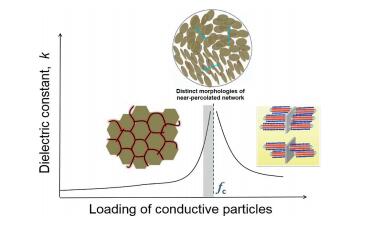
    High-k polymer composite materials are next-generation dielectrics that show amazing applications in diverse electrical and electronic devices. Establishing near-percolated network of conducting filler in an insulating polymer matrix is a promising approach to develop flexible high-k dielectrics. However, challenges still exist today on fine controlling the network morphology to achieve extremely high k values and low losses simultaneously. The relationship between the network morphology and the dielectric properties of polymer composites is raising a number of fundamental questions. Herein, recent progress towards high-k polymer composites based on carbon nanomaterials is reviewed. Particular attention is paid on the influence of the network morphology on the dielectric properties. Some perspectives that warrant further investigation in the future are also addressed.
  • Xiao Gong, Lei Li
    中国化学快报. 2017, 28(11): 2045-2052. https://doi.org/10.1016/j.cclet.2017.09.051
    摘要 ( ) PDF全文 ( ) HTML 可视化 收藏
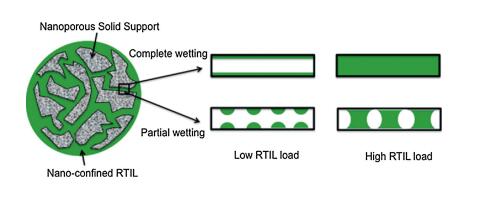
    Many important applications of room temperature ionic liquids (RTILs), e.g., lubrication, energy storage and catalysis, involve RTILs confined to solid surfaces. In order to optimize the performance, it is critical to understand the wettability of nanometer-thick RTILs on solid surfaces. In this review, the recent progress in this filed is presented. First, the macroscopic wettability of RTILs on solids will be discussed briefly. Afterwards, the wetting of nanometer-thick RTILs will be discussed with the emphasis on RTIL/mica and RTIL/graphite interfaces since mica and graphite not only are mostly studied but also have important real-life applications. For RTIL/mica interface, the extended layering that promotes the wetting has been extensively reported and it is generally accepted that the electrostatic interaction at the RTIL/mica interface is the key. However, recent works from others and us highlight the unexpected effect of water:Water enables ion exchange between K+ and the cations of RTILs on the mica surface and thus triggers the ordered packing of cations/anions in RTILs, resulting in extended layering. Different from mica, there is no electrical charge on the graphite surface. Interestingly, previous reports showed inconsistent results on the wettability of RTILs on graphite. Recent research from others and us suggested that π-π+ stacking between sp2 carbon and the imidazoliumcation in the RTILs is the key to the extended layering and enhanced wettability of RTILs. Lastly, the future research directions will be briefly discussed.
  • Yongsan Li, Xing Wang, Yen Wei, Lei Tao
    中国化学快报. 2017, 28(11): 2053-2057. https://doi.org/10.1016/j.cclet.2017.09.004
    摘要 ( ) PDF全文 ( ) HTML 可视化 收藏
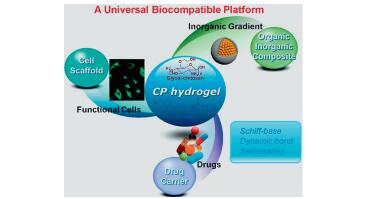
    By using an easily available PEG derivative and biopolymer chitosan, a self-healing hydrogel has been facilely prepared through the dynamic Schiff base. This biocompatible self-healing hydrogel can be used for drug-delivery, 3D cell culture and as a basic platform to develop some organic-inorganic biohybrids. This mini-review summarized recent research about that chitosan based self-healing hydrogel and related materials, and discussed some future bio-applications of that hydrogel
  • Xu Zhang, Tao Li
    中国化学快报. 2017, 28(11): 2058-2064. https://doi.org/10.1016/j.cclet.2017.09.008
    摘要 ( ) PDF全文 ( ) HTML 可视化 收藏
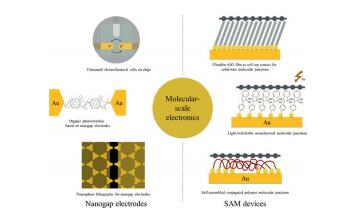
    By wiring molecules into circuits, "molecular electronics" aims at studying electronic properties of single molecules and their ensembles, on this basis exploiting their intrinsic functionalities, and eventually applying them as building blocks of electronic components for future electronic devices. Herein, fabricating reliable solid-state molecular devices and developing synthetic molecules endowed with desirable electronic properties, have been two major tasks since the dawn of molecular electronics. This review focuses on recent advances and efforts regarding the main challenges in this field, highlighting fabrication of nanogap electrodes for single-molecule junctions, and self-assembled-monolayers (SAMs) for functional devices. The prospect of molecular-scale electronics is also discussed.
  • Qiong Wu, Dan Deng, Kun Lu, Zhi-Xiang Wei
    中国化学快报. 2017, 28(11): 2065-2077. https://doi.org/10.1016/j.cclet.2017.08.046
    摘要 ( ) PDF全文 ( ) HTML 可视化 收藏
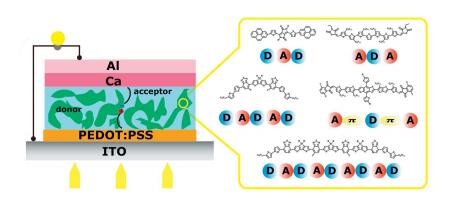
    Under the synergistic effect of molecular design and devices engineering, small molecular organic solar cells have presented an unstoppable tendency for rapid development with putting forward donoracceptor (D-A) structures. Up to now, the highest power conversion efficiency of small molecules has exceeded 11%, comparable to that of polymers. In this review, we summarize the high performance small molecule donors in various classes of typical donor-acceptor (D-A) structures and discuss their relationships briefly.
  • Fei Sun, Wen-Bin Zhang
    中国化学快报. 2017, 28(11): 2078-2084. https://doi.org/10.1016/j.cclet.2017.08.052
    摘要 ( ) PDF全文 ( ) HTML 可视化 收藏
    Synthesis of macromolecular systems with precise structural and functional control constitutes a fundamental challenge for materials science and engineering. Development of the ability to construct complex bio-macromolecular architectures provides a solution to this challenge. The past few years have witnessed the emergence of a new category of peptide-protein chemistry which can covalently stitch together protein/peptide molecules with high specificity under mild physiological conditions. It has thus inspired the concept of genetically encoded click chemistry (GECC). As a prototype of GECC, SpyTag/SpyCatcher chemistry has enabled the precise synthesis ofmacromolecules both in vitro and in vivo, exerting precise control over the fundamental properties of these macromolecules including length, sequence, stereochemistry and topology and leading to the creation of diverse biomaterials for a variety of applications. We thus anticipate a potential toolbox of GECC comprising multiple mutually orthogonal, covalent-bond forming peptide-protein reactive pairs with diverse features, which shall bridge synthetic biology and materials science and open up enormous opportunities for biomaterialsin the future.
  • Yuwei Hao, Jingxin Meng, Shutao Wang
    中国化学快报. 2017, 28(11): 2085-2091. https://doi.org/10.1016/j.cclet.2017.10.019
    摘要 ( ) PDF全文 ( ) HTML 可视化 收藏
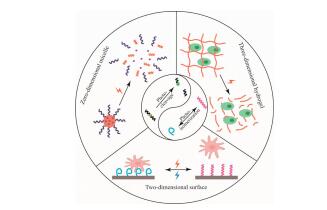
    Photo-responsive polymer materials from zero-dimensional micelles, two-dimensional surfaces to three-dimensional hydrogels have been designed, synthesized and applied for various biological fields including drug delivery and cell manipulation. Many remarkable works have been reported, revealing the advantages of photo-responsive polymers such as noninvasion and spatiotemporal control. In this review, we briefly summarized the remarkable progress of photo-responsive polymers with irreversible or reversible moieties and their further biological applications. The future opportunities and challenges of photo-responsive polymer materials are also proposed.
  • Jun Xu, Shujing Zhang, Baohua Guo
    中国化学快报. 2017, 28(11): 2092-2098. https://doi.org/10.1016/j.cclet.2017.10.012
    摘要 ( ) PDF全文 ( ) HTML 可视化 收藏
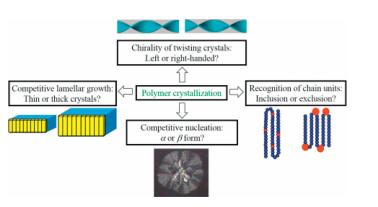
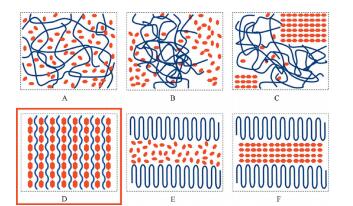
    Crystallization of flexible polymer chains reveals distinct characters compared to small molecules, which provides a platform to study molecular self-assembly and morphogenesis. In this review, some examples, e.g., twisting chirality of polymer lamellar crystals, recognition of different chain units and competitive nucleation of different polymorphs and different lamellar thicknesses are briefly discussed. It is shown that the polymer crystallization process far from equilibrium is in practically minimization of the system free energy in local space and finite time, leading to formation of twisted crystals, metastable polymorphism and lamellar crystals with finite thickness. Though each molecule is blind to others, the peculiar ordered configurations with stronger long-range interactions are chosen from the enormous random trials. At the end, we list some remaining questions and outlook the perspectives.
  • Xiaotong Yang, Zhi Zhong, Jun Xu, Yanbin Huang
    中国化学快报. 2017, 28(11): 2099-2104. https://doi.org/10.1016/j.cclet.2017.09.049
    摘要 ( ) PDF全文 ( ) HTML 可视化 收藏
    The solid forms of drugs play a central role in controlling their physicochemical properties and consequently the bioavailability. Multiple types of drug solid forms have been developed to achieve the desirable pharmaceutical profiles, but new solid forms will provide more options for the solid-state property optimization and hence are highly desirable. This review focuses on a new pharmaceutical solid form, drug-polymer inclusion complexes (ICs), and summarizes their structural features, structureproperty relationships, as well as potential pharmaceutical applications
  • Yuwei Duan, Xiaopeng Xu, Ying Li, Qiang Peng
    中国化学快报. 2017, 28(11): 2105-2115. https://doi.org/10.1016/j.cclet.2017.08.025
    摘要 ( ) PDF全文 ( ) HTML 可视化 收藏
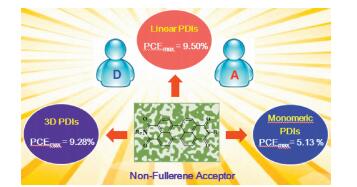
    Recently, perylene diimide (PDI) derivatives were attractive as the electron-deficient acceptor materials in non-fullerene organic solar cells since Tang first used a single PDI compound as the n-type semiconductor to fabricate photovoltaic devices in 1986, which achieved a power conversion efficiency of 1%. Beside the monomeric PDIs, the linear and three dimensional (3D) PDI-based small molecular acceptors have also made great achievements with the power conversion efficiencies over 9.0% in singlejunction polymer solar cells, and over 10.0% in tandem solar cells. The excellent device performance can be realized by forming suitable twisted structure, developing suitable donor materials and optimizing device technologies. In this review, we summarize the recent development of PDI-based small molecular non-fullerene acceptors in non-fullerene organic solar cells, including molecular design strategies and structure-property relationships.
  • 通信
  • Hui-Hui Ren, Hui-Yu Zhao, Yang Cui, Xiang Ao, Ai-Ling Li, Zhong-Min Zhang, Dong Qiu
    中国化学快报. 2017, 28(11): 2116-2120. https://doi.org/10.1016/j.cclet.2017.07.014
    摘要 ( ) PDF全文 ( ) HTML 可视化 收藏
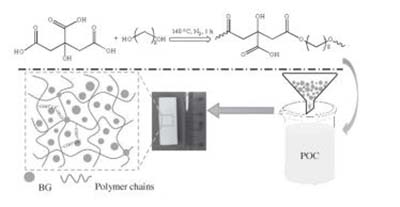
    Poly(1,8-octanediol-co-citrate) (POC) represents a new promising biocompatible and biodegradable polyester that has been extensively investigated for soft tissue engineering. However, the poor mechanical performance and poor bioactivity limit its application in bone regeneration. In this study, a series of POC/bioactive glasses (BG) composites were developed using 45S5 Bioglass® and a phytic acidderived bioactive glass (referred as PSC). The results indicated that calcium in BG could enhance the crosslinking of the POC/BG composites by forming calcium dicarboxylate bridges and thus improve their mechanical performances. When PSC were used, the composites exhibited significantly better mechanical properties compared to composites with 45S5 Bioglass®. For example, by incorporating 70 wt% PSC, the compressive strength of POC/PSC composites could be improved to approximately 50 MPa and modulus 1.3±0.1 GPa. Furthermore, all these POC/PSC composites showed good in vitro bioactivity and cellular biocompatibility. Histology results in femoral condyle defects of Sprague-Dawley rats indicated that the POC/PSC samples integrated well with surrounding tissues and stimulated bone regeneration. The improved mechanical properties and bioactivity of POC/PSC composites make them promising for potential application in bone regeneration.
  • Huanbin Li, Guobiao Xue, Jiake Wu, Wenqiang Zhang, Zhuoting Huang, Zengqi Xie, Huolin L. Xin, Gang Wu, Hongzheng Chen, Hanying Li
    中国化学快报. 2017, 28(11): 2121-2124. https://doi.org/10.1016/j.cclet.2017.08.011
    摘要 ( ) PDF全文 ( ) HTML 可视化 收藏
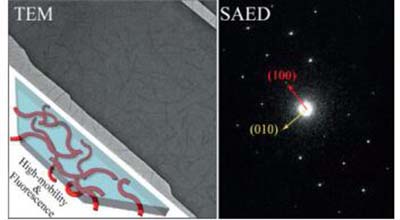
    Multi-component active materials are widely used for organic electronic devices, with every component contributing complementary and synergistic optoelectronic functions. Mixing these components generally leads to lowered crystallinity and weakened charge transport. Therefore, preparing the active materials without substantially disrupting the crystalline lattice is highly desired. Here, we show that crystallization of TIPS-pentacene from solutions in the presence of fluorescent nanofibers of a perylene bisimide derivative (PBI) leads to formation of composites with nanofiber guest incorporated in the crystal host. In spite of the binary composite structure, the TIPS-pentacene maintains the singlecrystalline nature. As a result, the incorporation of the PBI guest introduces additional fluorescence function but does not significantly reduce the charge transport property of the TIPS-pentacene host, exhibiting field-effect mobility as high as 3.34 cm2 V-1 s-1 even though 26.4% of the channel area is taken over by the guest. As such, this work provides a facile approach toward high-performance multifunctional organic electronic materials.
  • Wei Xiong, Hantao Zhou, Chong Zhang, Hua Lu
    中国化学快报. 2017, 28(11): 2125-2128. https://doi.org/10.1016/j.cclet.2017.09.019
    摘要 ( ) PDF全文 ( ) HTML 可视化 收藏
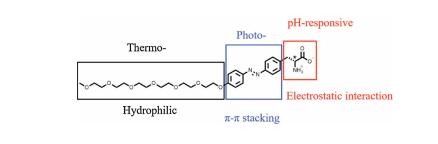
    Hydrogels formed by gelators have attracted growing attention for their promising application in biomaterials and biotechnology. We describe in this paper the generation and characterization of a novel photo-, thermal-and pH-responsive hydrogel based on an amino acid gelator AA-Azo-EG6. Specifically, the gelator bears an amino acid head, an azobenzene (Azo) linker, and a short oligoethylene glycol tail (EG6). The resulting AA-Azo-EG6 hydrogel is injectable and exhibits interesting helical self-assembled structures. Meanwhile, the hydrogel is able to experience a gel-sol or gel-precipitate phase transition responding to external stimuli. Thus, this AA-Azo-EG6 gelator is a promising building block for intelligent materials and drug delivery.
  • Baolei Tang, Zuolun Zhang, Huapeng Liu, Hongyu Zhang
    中国化学快报. 2017, 28(11): 2129-2132. https://doi.org/10.1016/j.cclet.2017.08.045
    摘要 ( ) PDF全文 ( ) HTML 可视化 收藏
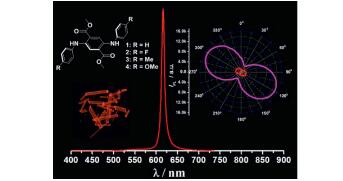
    A series of 2,5-diaminoterephthalates with a simple structure were synthesized through one-step reaction, and their bar-shaped single crystals with a large size and a smooth surface have been obtained via the solvent-evaporation method. These crystals exhibit bright emission with fluorescence quantum yields higher than 0.2. They display the waveguide property, and low optical loss coefficients for waveguide have been determined for the crystal of one compound. In addition, the crystal can cause linear polarization of the light emitted from it, with a high polarization contrast of 0.70. Most importantly, these crystals can realize amplified spontaneous emission (ASE), including the red ASE, with appreciable energy thresholds of 72-198 kW/cm2 and high gain coefficients, which suggests the potential of these crystals for the application in organic solid-state lasers.
  • Yunzhong Wang, Zihan He, Gan Chen, Tong Shan, Wangzhang Yuan, Ping Lu, Yongming Zhang
    中国化学快报. 2017, 28(11): 2133-2138. https://doi.org/10.1016/j.cclet.2017.09.054
    摘要 ( ) PDF全文 ( ) HTML 可视化 收藏
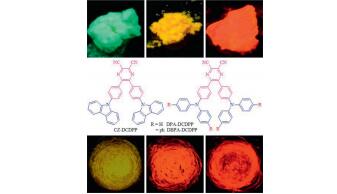
    Fabrication of efficient solid luminogens with tunable emission is both fundamentally significant and technically important. Herein, based on our previous strategy for the construction of efficient and multifunctional solid luminogens through the combination of diverse aggregation-induced emission (AIE) units with other functional moieties, a group of luminophores with electron donor-acceptor (D-A) structure and typical intramolecular charge transfer (ICT) characteristics, namely CZ-DCDPP, DPA-DCDPP and DBPA-DCDPP were synthesized and investigated. The presence of twisting and AIE-active 2,3-dicyano-5,6-diphenylpyrazine (DCDPP) moiety endows them highly emissive in the solid states, whereas the introduction of arylamines with varied electron-donating capacity and different conjugation render them with tunable solid emissions from green to red. While CZ-DCDPP and DPA-DCDPP solids exhibit distinct mechanochromism, both DPA-DCDPP and DBPA-DCDPP solids can generate efficient red emission. Owing to their high efficiency, remarkable thermal and morphological stabilities and moreover red emission, they are promising for diverse optoelectronic and biological applications.
  • Qiaomei Chen, Yen Wei, Yan Ji
    中国化学快报. 2017, 28(11): 2139-2142. https://doi.org/10.1016/j.cclet.2017.09.011
    摘要 ( ) PDF全文 ( ) HTML 可视化 收藏
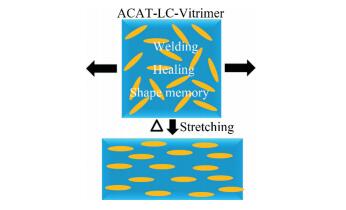
    Liquid crystalline vitimers (LC-vitrimers) can be easily processed into complex three-dimensional configurations. In this paper, we present a photo-responsive LC-vitrimer by simply introducing a photothermal agent aniline trimer into the LC-vitrimer system. As aniline trimer acts as a curing agent, it can be homogeneously dispersed in the material, avoiding aggregation which commonly happens to nanofillers. As a result, the resultant polymer not only can perform three light-controlled functions (welding, healing and shape memory), but also can be prepared into aligned monodomain LC actuators with strains of about 40%-45%.
  • Shujing Guo, Zhongwu Wang, Zeyang Xu, Shuguang Wang, Kunjie Wu, Shufeng Chen, Zongbo Zhang, Caihong Xu, Wenfeng Qiu, Liqiang Li
    中国化学快报. 2017, 28(11): 2143-2146. https://doi.org/10.1016/j.cclet.2017.08.041
    摘要 ( ) PDF全文 ( ) HTML 可视化 收藏
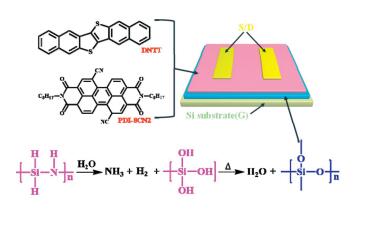
    Silica is one of the most commonly used materials for dielectric layer in organic thin-film transistors due to its excellent stability, excellent electrical properties, mature preparation process, and good compatibility with organic semiconductors. However, most of conventional preparation methods for silica film are generally performed at high temperature and/or high vacuum. In this paper, we introduce a simple solution spin-coating method to fabricate silica thin film from precursor route, which possesses a low leakage current, high capacitance, and low surface roughness. The silica thin film can be produced in the condition of low temperature and atmospheric environment. To meet various demands, the thickness of film can be adjusted by means of preparation conditions such as the speed of spin-coating and the concentration of solution. The p-type and n-type organic field effect transistors fabricated by using this film as gate electrodes exhibit excellent electrical performance including low voltage and high performance. This method shows great potential for industrialization owing to its characteristic of low consumption and energy saving, time-saving and easy to operate.
  • Honghao Hou, Yanchang Gan, Xuesong Jiang, Jie Yin
    中国化学快报. 2017, 28(11): 2147-2150. https://doi.org/10.1016/j.cclet.2017.08.027
    摘要 ( ) PDF全文 ( ) HTML 可视化 收藏
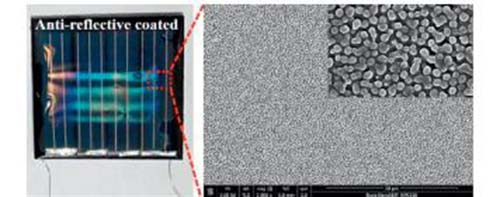
    We reported a facile and bio-inspired strategy for obtaining antireflective (AR) coating through polymerization-induced self-wrinkling. Upon irradiation of light, the complex wrinkle micro-patterns with different morphologies were generated spontaneously on the surface of coating during photo-crosslinking, which enables the photo-curing coating can decrease reflection. The resulting photo-curing coating exhibits a high transmittance over 90% and low reflection below 5%~8%, with an efficiency antireflection of 4%~7% compared to the flat blank coating. The successful application of these AR coatings with wrinkles pattern to encapsulate the thin film solar cells results in appreciable photovoltaic performance improvement of more than 4%~8%, which benefits from the decrease of the light reflection and increase of optical paths in the photoactive layer by the introduction of wrinkling pattern. Furthermore, the efficiency improvements of the solar cells are more obvious, with a remarkable increase of 8.5%, at oblique light incident angle than that with vertical light incident angle
  • Hongwei Wua, Bin Wu, Xiyuan Yu, Pei Zhao, Wenbo Chen, Liangliang Zhu
    中国化学快报. 2017, 28(11): 2151-2154. https://doi.org/10.1016/j.cclet.2017.08.002
    摘要 ( ) PDF全文 ( ) HTML 可视化 收藏
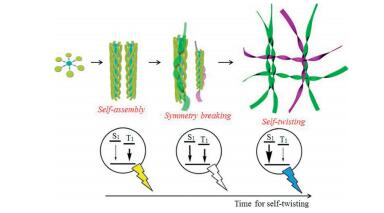
    Understanding of the role of supramolecular chirality for tuning material optoelectronic properties has been restricted by the limited number of cases. A particular challenge is to impose supramolecular chirality onto multicolor luminescent systems that can emit in aggregation state. Here we present a selfassembly strategy from a well-selected asterisk molecule for generating supramolecular chirality with fluorescence-phosphorescence dual emission. The work takes advantages of (1) achiral chemical structure dependent peculiar self-assembly that can spontaneously undergo symmetry breaking to produce macrochirality, and (2) the assembly process can be monitored by time which due to the crystallization-driven self-assembly by self-twisting, allowing a self-progressing chiral amplification. A multicolor luminescence induced by the fluorescence-phosphorescence dual emission along with such a self-assembly behavior was also observed at a single solution system versus the time. The self-twisting chiral self-assembly fashion provides new prospects for understanding the establishment of nanochirality from achiral molecular building blocks.
  • Taoran Li, Chaolumen Wu, Huanhuan Yuan, Lei Li, Jun Yang
    中国化学快报. 2017, 28(11): 2155-2158. https://doi.org/10.1016/j.cclet.2017.09.021
    摘要 ( ) PDF全文 ( ) HTML 可视化 收藏
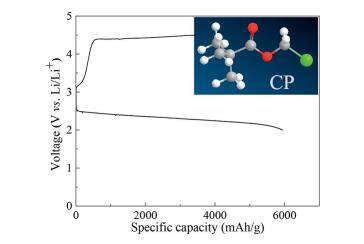
    A novel electrolyte with chloromethyl pivalate (CP) used as solvent was first reported for non-aqueous lithium-oxygen (Li-O2) batteries. Since there are no α-H atoms in the structure of CP, the CP based electrolyte in both superoxide radical solution and real Li-O2 battery environment showed good chemical stability against superoxide radicals, which was confirmed by 1H NMR and 13C NMR measurements. Without a catalyst in the cathode of Li-O2 batteries, the batteries showed high specific capacity and cycling stability.
  • Shuai Li, Bo Li, Liang Ma, Jia Yang, Hangxun Xu
    中国化学快报. 2017, 28(11): 2159-2163. https://doi.org/10.1016/j.cclet.2017.08.029
    摘要 ( ) PDF全文 ( ) HTML 可视化 收藏
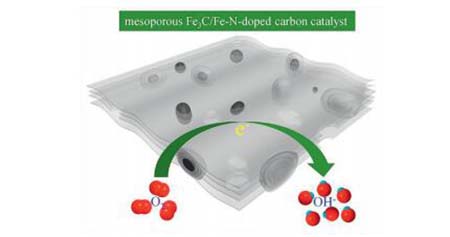
    Facile synthetic approaches toward the development of efficient and durable nonprecious metal catalysts for the oxygen reduction reaction (ORR) are very important for commercializing advanced electrochemical devices such as fuel cells and metal-air batteries. Here we report a novel template approach to synthesize mesoporous Fe-N-doped carbon catalysts encapsulated with Fe3C nanoparticles. In this approach, the layer-structured FeOCl was first used as a template for the synthesis of a threedimensional polypyrrole (PPy) structure. During the removal of the FeOCl template, the Fe3+ can be absorbed by PPy and then converted into Fe3C nanoparticles and Fe-N-C sites during the pyrolyzing process. As a result, the as-prepared catalysts could exhibit superior electrocatalytic ORR performance to the commercial Pt/C catalyst in alkaline solutions. Furthermore, the Zn-air battery assembled using the mesoporous carbon catalyst as the air electrode could surpass the commercial Pt/C catalyst in terms of the power density and energy density.
  • Ying Tang, Zi-Hui Meng, Hong Xu, Chang-Feng Wu
    中国化学快报. 2017, 28(11): 2164-2168. https://doi.org/10.1016/j.cclet.2017.08.015
    摘要 ( ) PDF全文 ( ) HTML 可视化 收藏
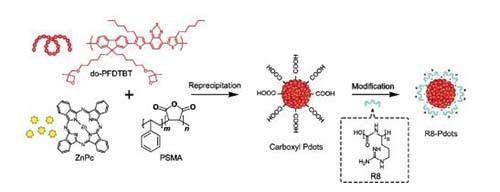
    This letter describes semiconducting polymer dots (Pdots) doped with a photosensitizer and modified with a cell penetrating peptide for photodynamic therapy (PDT). The resulting Pdots exhibited efficient singlet oxygen (1O2) generation mediated by intraparticle energy transfer. Experimental results indicated that the peptide-coated Pdots could promote the cellular uptake and increase the penetration efficiency in vitro, and effectively suppressed tumor growth and enhanced the photodynamic effect in vivo. Our results demonstrate that Pdots with photosensitizer loading and peptide modification hold great promise for cancer therapy.